
Coriander Seed Oil from Australia and Beyond: Sourcing by Origin
Where an essential oil comes from matters more than most buyers realize. Soil composition, climate, harvest timing, and distillation tradition all shape what ends up in the bottle. Coriander seed oil is no exception. If you have been searching for coriander seed oil Australia grown, or simply want to understand how coriander oil origin affects quality, this guide walks you through the sourcing landscape clearly and practically.
This is a buying guide, not a botanical encyclopedia. The goal is simple: help you spend your money wisely.
Why Origin Shapes Quality
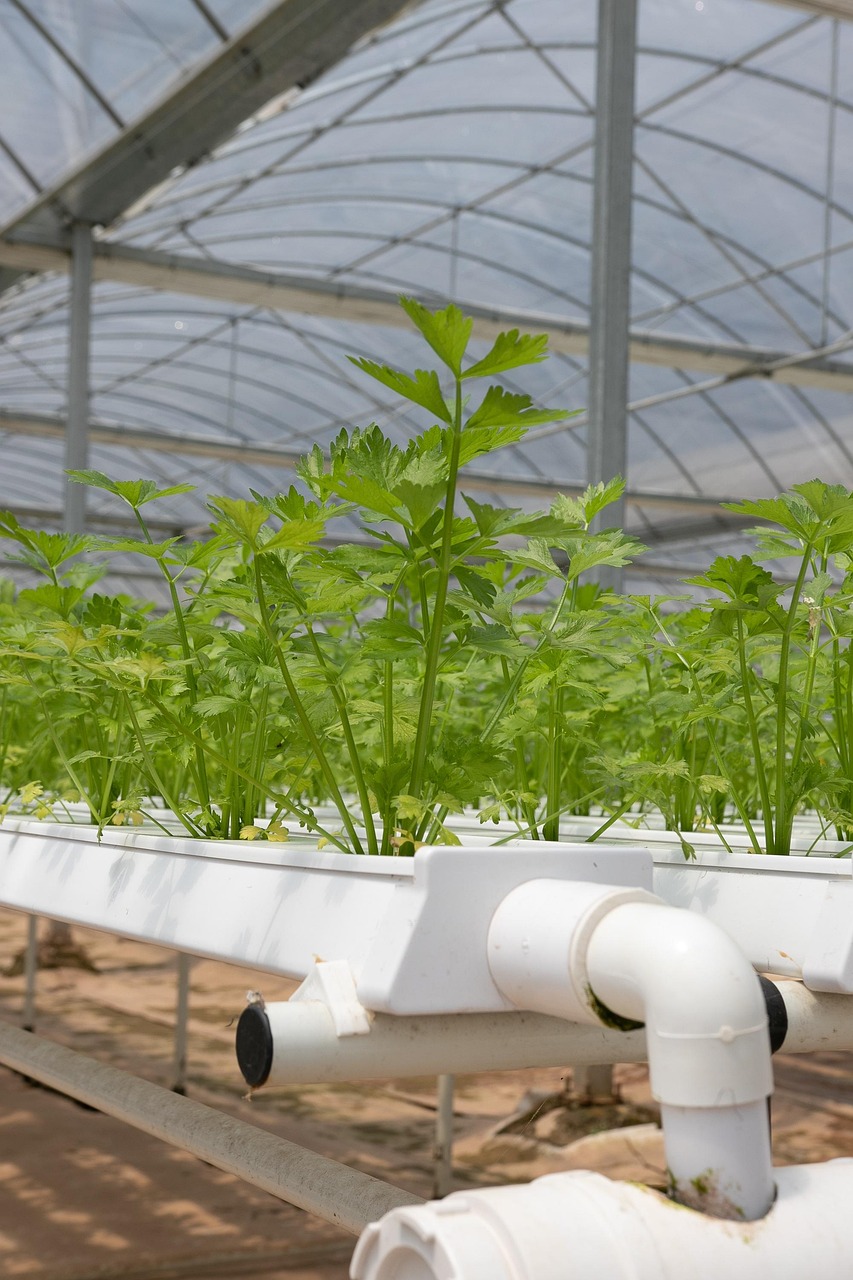
Coriander (Coriandrum sativum) grows across an impressive geographic spread. Eastern Europe, Central Asia, South Asia, North Africa, and Australia all produce commercial crops. Each region delivers a chemotype with a slightly different aromatic profile, driven largely by linalool content.
Linalool is the dominant constituent in most quality coriander seed oils, often ranging from 60 to 80 percent. Higher linalool generally correlates with the soft, floral-woody warmth that perfumers and cosmetic formulators prize. Lower linalool, sometimes combined with elevated camphor or gamma-terpinene, produces a harsher, more medicinal-smelling oil. That is not necessarily inferior for every application, but it is a mismatch for most personal-care and fragrance work.
Climate drives this chemistry. Cool growing seasons with well-defined harvest windows tend to produce seeds with higher linalool. Rushed harvests, hot drying conditions, or seeds left too long in the field can push the profile toward less desirable compounds.
Major Sourcing Regions at a Glance
| Region | Typical Linalool Range | Aromatic Character | Common Use Case |
|---|---|---|---|
| Russia / Eastern Europe | 65–80% | Clean, floral, warm | Perfumery, fine cosmetics |
| India | 55–72% | Spicier, slightly earthy | Blending, soap, candles |
| Morocco / North Africa | 60–75% | Warm, slightly green | Cosmetics, diffusion |
| Australia | 68–82% | Bright, clean, floral | Premium cosmetics, niche perfumery |
| Ukraine / Poland | 64–78% | Smooth, round, woody | Cosmetics, blending |
These are general ranges based on published GC/MS data from reputable suppliers. Individual batches vary. Always request batch-specific analysis before making purchasing decisions at volume.
Coriander Seed Oil from Australia: What Sets It Apart
Australian-grown coriander has attracted serious attention from formulators in recent years. A few factors explain the interest.
First, Australian agricultural standards are rigorous. Pesticide regulations, soil testing requirements, and export documentation norms mean that certified-organic and conventional-but-clean production are both well-monitored. Buyers who care about provenance documentation find Australian suppliers easier to audit than some Central Asian sources.
Second, the growing conditions in parts of South Australia and Victoria suit coriander well. Cool winters, dry summers, and reliable harvest windows allow seed to mature evenly. The result is often a high-linalool oil with a particularly clean top note, less of the sharp green edge that some Eastern European batches carry.
Third, Australian distillers are increasingly investing in short-cycle distillation, meaning the plant material moves from harvest to still quickly. Freshness at the point of distillation correlates strongly with a brighter, more complete aromatic profile.
The trade-off is price. Coriander seed oil Australia sourced tends to command a premium of 20 to 40 percent over comparable Indian or Eastern European oils. For retail fragrance products and high-end skin-care formulations, that premium is often justified. For candle-making or soap at volume, it may not be.
Quality Indicators: What to Look For
Before discussing where to source, you need a framework for evaluating what you are buying. Here are the non-negotiable quality markers.
1. GC/MS Report (Gas Chromatography / Mass Spectrometry)
Every reputable essential oil supplier provides a batch-specific GC/MS report on request. This document breaks down the chemical composition of the oil. For coriander seed oil, look for linalool as the dominant constituent. If a supplier cannot produce this document, move on.
2. Optical Rotation
This is a simple physical measurement that indicates whether the oil's molecular structure is consistent with genuine Coriandrum sativum. Quality coriander seed oil has a specific optical rotation range (typically around +8° to +15°). Figures outside this range suggest adulteration or a mislabeled species.
3. Specific Gravity and Refractive Index
These physical constants round out the basic quality panel. Reputable suppliers publish these figures on their certificates of analysis (CoA). If a CoA lists only the batch number and country of origin, it is not a real CoA.
4. Country of Origin and Distiller Identification
"Origin" should specify more than a country. Ideally, you want the growing region, the distiller, and the harvest year. Some brokers blend oils from multiple sources and label the result with the origin of whichever batch was largest. Blended-origin oils are not inherently inferior, but you deserve to know what you are buying.
5. Packaging and Storage Conditions
Coriander seed oil oxidizes over time when exposed to heat, light, and air. Quality suppliers ship in dark glass or food-grade aluminum with inert gas flushing. Plastic bottles are a red flag for anything beyond a small sample.
Key Features to Compare Across Suppliers
- Linalool percentage (target: above 65% for cosmetic and fragrance use)
- Certification status (certified organic, conventional-tested-clean, or uncertified)
- Batch traceability (can you trace from bottle back to farm?)
- Minimum order quantity (retail vs. wholesale thresholds)
- Shelf life remaining (ask when the oil was distilled, not just when it was bottled)
- Shipping conditions (temperature-controlled for bulk orders?)
For a broader overview of what to evaluate before your first purchase, the complete buyer's guide to coriander essential oil covers the full checklist in detail.
Top Picks at Different Price Points

Rather than naming specific brands (which change their sourcing and quality over time), the following framework helps you identify the tier that fits your needs.
Budget Tier: Indian or Eastern European Origin, Conventional
Price range: roughly $8 to $18 per 100ml at retail. These oils are workable for candle-making, diffusion blends, and soap. Look for suppliers who still provide GC/MS reports even at this price point. Several Indian exporters have excellent quality control. Do not assume budget means poor; assume budget means you need to verify more carefully.
Mid-Range Tier: Eastern European or North African Origin, Tested-Clean
Price range: roughly $18 to $35 per 100ml. This is where the majority of cosmetic formulators operate. Russian and Ukrainian coriander at this tier frequently delivers linalool above 70%, with clean top notes and good longevity in formulas. Certified organic at this price point is attainable from a handful of reputable EU-based distillers.
Premium Tier: Australian Origin or Certified Organic from Any Region
Price range: $35 and above per 100ml, often significantly more for small retail quantities. If you are formulating a signature product where the ingredient story matters to your customers, or if you are working in niche perfumery where every note counts, this is the tier to prioritize. Coriander seed oil Australia sourced fits here, as do small-batch certified-organic oils from specialized European distillers.
Red Flags to Avoid
The essential oil market has a meaningful adulteration problem. Coriander seed oil is sometimes extended with synthetic linalool, which is cheap and nearly odorless in isolation. The resulting blend smells passable but lacks the rounded complexity of true steam-distilled coriander. A GC/MS report will catch this. Your nose probably will not.
Watch for these warning signs:
- Prices significantly below market average for the claimed origin and certification
- Suppliers who cannot name the distiller or growing region beyond a country name
- CoA documents with inconsistent or missing physical constants
- Oils bottled in clear or translucent plastic for anything larger than a 5ml sample
- "Fragrance oil" or "nature-identical" language hidden in the fine print (these are not essential oils)
- No batch number on the bottle or packaging
One more flag worth noting: suppliers who make sweeping quality claims without documentation. Strong words without supporting paperwork are a pattern that should make you pause.
Where to Source Coriander Seed Oil
Knowing where to source coriander seed oil depends on your volume and purpose.
For Retail (Small Quantities)
Reputable specialty essential oil retailers who publish GC/MS data on their websites are the safest starting point. Look for retailers who disclose country of origin per batch, not just per product listing. If the origin field reads "may vary," that is not transparency.
For Wholesale and Formulation
Direct relationships with distillers or established essential oil brokers who specialize in aromatic raw materials are the standard at this level. Industry trade shows and associations (such as those connected to the fragrance and flavor industry) can facilitate introductions. Australian distillers often sell direct to international buyers at wholesale minimums that are accessible to small brands.
For Online First Orders
If you are navigating your first online purchase, the process has some specific considerations worth reading through before you commit. The guide to buying coriander essential oil online as a first order covers what to check before you check out.
Comparing Coriander Against Similar Oils
Some buyers arrive at coriander seed oil after exploring other warm, spice-adjacent oils. If you are still deciding whether coriander is the right choice for your formulation, the comparison piece on coriander versus cardamom essential oil may help you narrow it down by aromatic character and blending behavior.
A Note on Organic Certification and What It Does (and Does Not) Guarantee
Certified organic coriander seed oil guarantees that the seeds were grown without synthetic pesticides or fertilizers and that the supply chain has been audited for compliance. It does not automatically guarantee a high linalool percentage. It does not guarantee that the oil has been stored correctly after distillation. Certification covers agricultural practice; it does not replace chemical analysis.
For most cosmetic applications, a well-documented conventional oil with a verified GC/MS report outperforms a certified-organic oil with no chemical data. Ideally, you want both: certified origin and verified composition. That combination is available, particularly from Australian and EU-based suppliers, though it comes at a price that reflects the documentation overhead.
Making the Decision
There is no single right answer for every buyer. A candle maker at volume needs different things than a perfumer creating a 30ml limited edition. An Australian origin oil with documented traceability is a genuine point of difference for a premium skin-care brand. The same oil would be an unnecessary expense for a soap maker who blends it into a complex formula where its nuance would be lost.
Start with your end product. Work backward to the specifications that actually matter for that application. Request documentation before you buy at any meaningful volume. And build supplier relationships slowly: order a sample, evaluate it properly, then scale.
Coriander seed oil rewards careful sourcing. The difference between a flat, sharp-edged oil and a genuinely beautiful linalool-rich distillate is significant enough to matter in the finished product. Take the time to find the origin that fits your work.