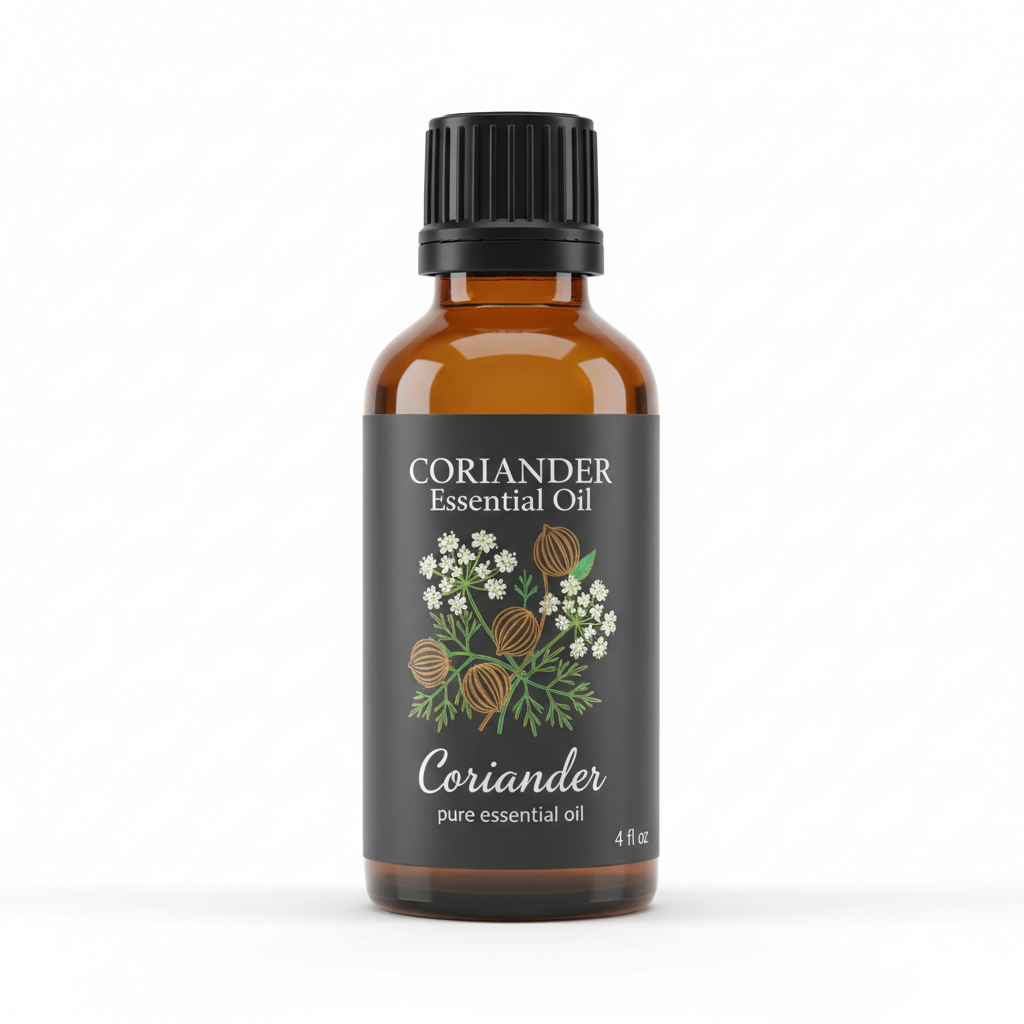
Does Coriander Oil Go Bad? Signs to Check Before You Use It
A bottle that has sat open for a year is not the same oil you opened. Here is what oxidation changes, how to spot it, and what slows it down.
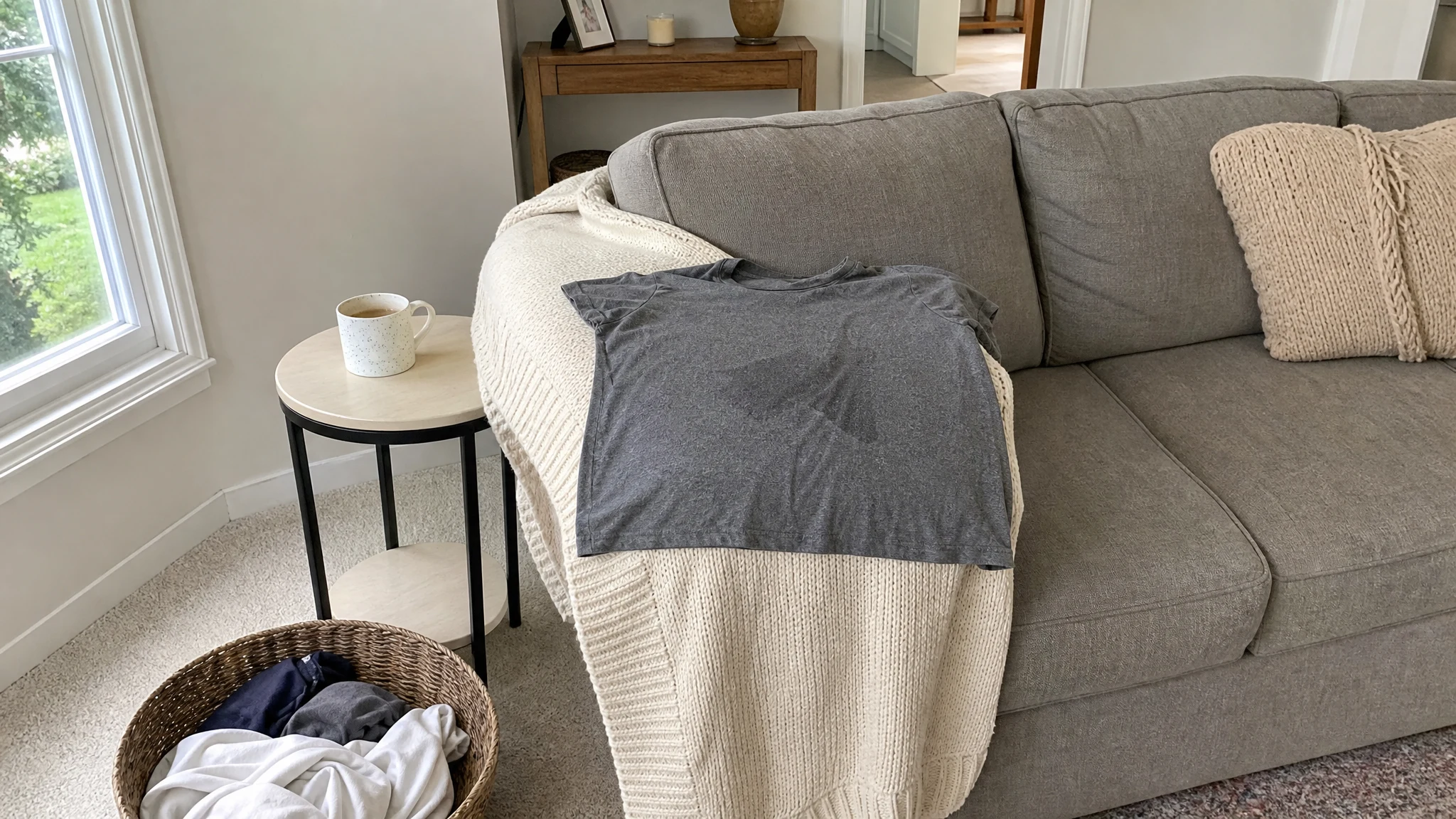
Does Coriander Oil Stain? Getting It Out of Fabric
Coriander oil leaves a greasy mark, not a dye. Blot, lift and wash it out in the right order, and know when a dry cleaner is the better call.
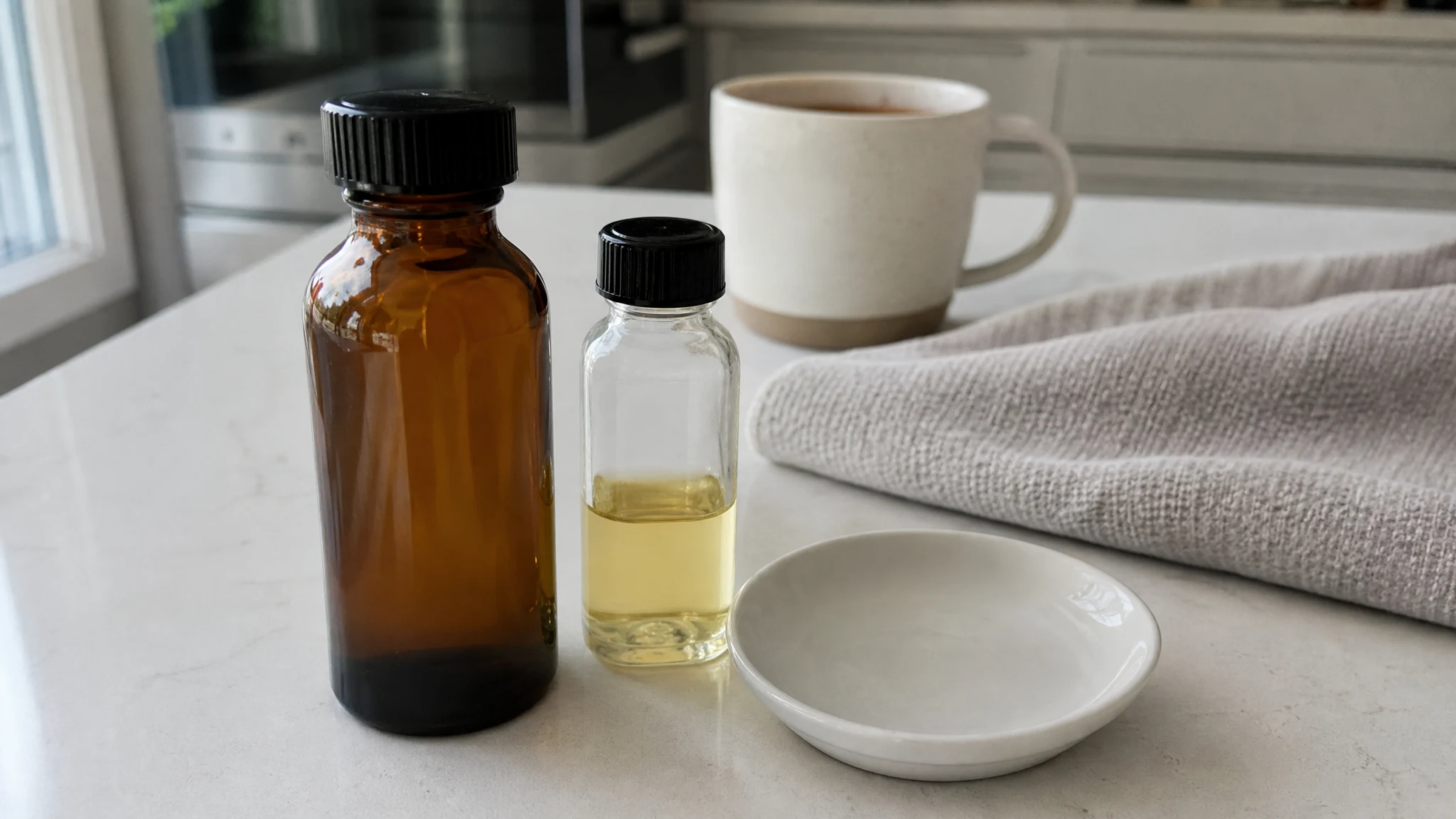
How to Blend Coriander Oil: The Math Behind the Drops
A blend is a budget: one total percentage, split between oils. See the drop math for a 30 ml bottle, and the mistakes that quietly double a dose.
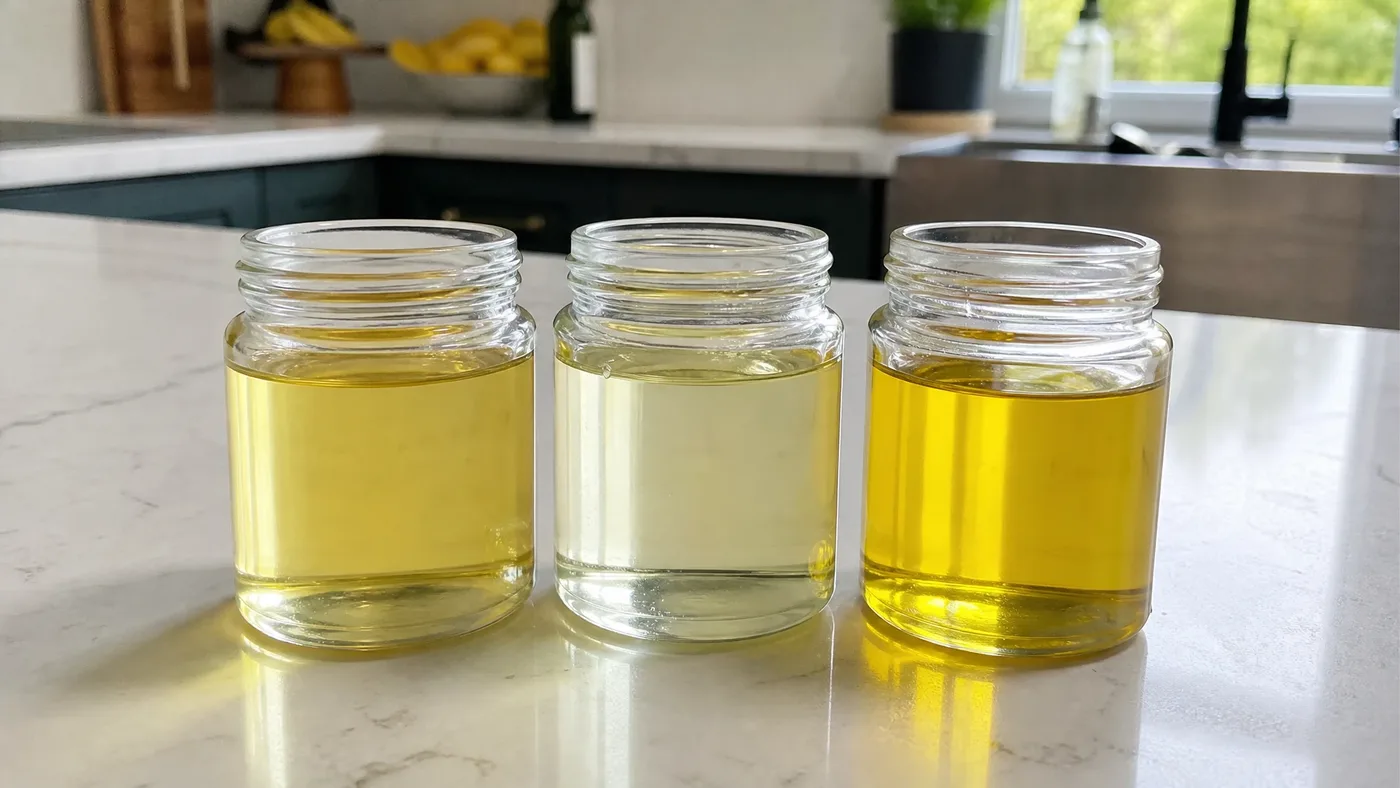
Best Carrier Oils for Coriander Blends: How to Choose
Roll-on for a bag, body oil for the week: how to match jojoba, fractionated coconut, almond or grapeseed to the way you will use your blend.
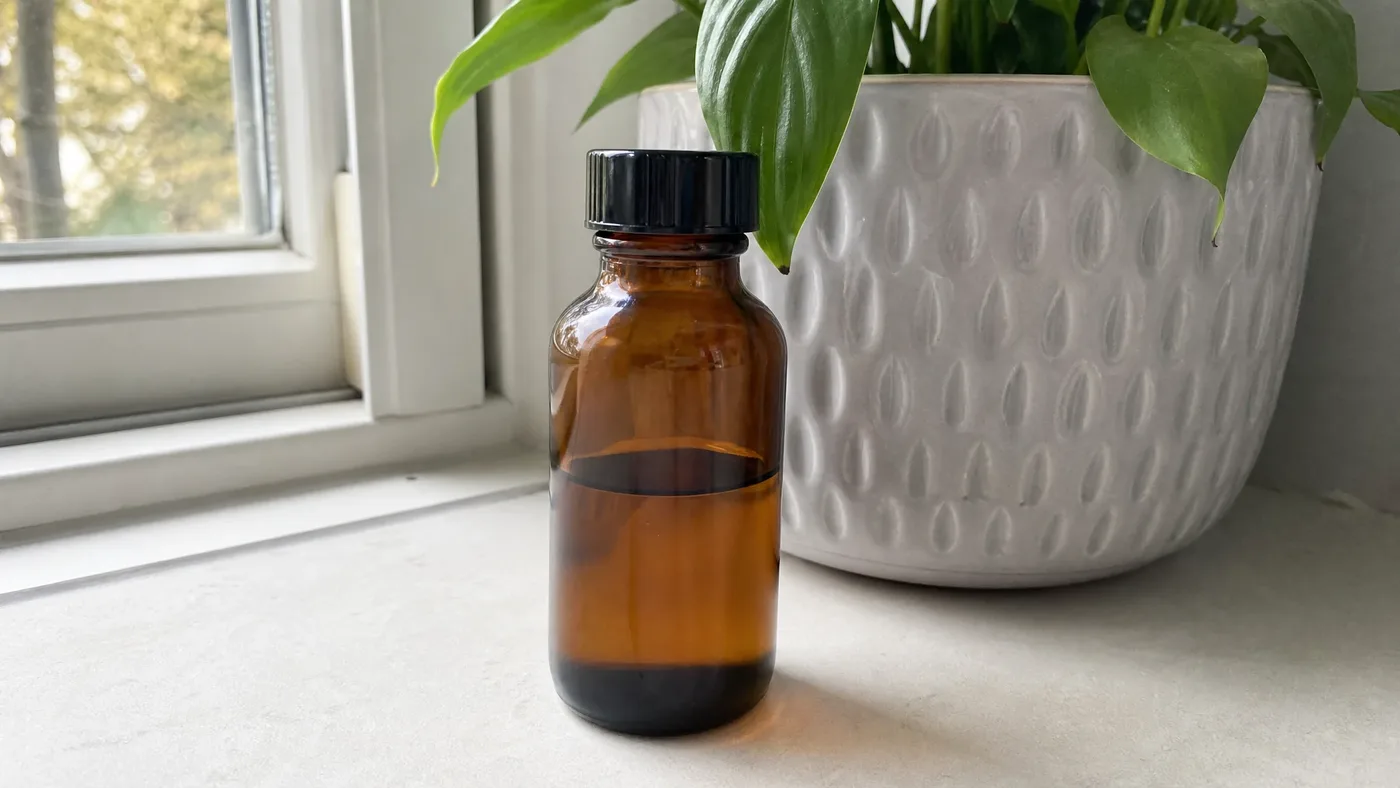
Can You Swallow Coriander Oil? Why We Say No
Why we label coriander seed oil for aroma and cosmetic use only, with the drop arithmetic, the GRAS entry explained and what to do in an accident.

What Makes Coriander Seed Oil So Easy to Love?
Coriander seed oil smells nothing like the herb. Here is what we love about its warm, rounded, softly spicy aroma and how people use it.
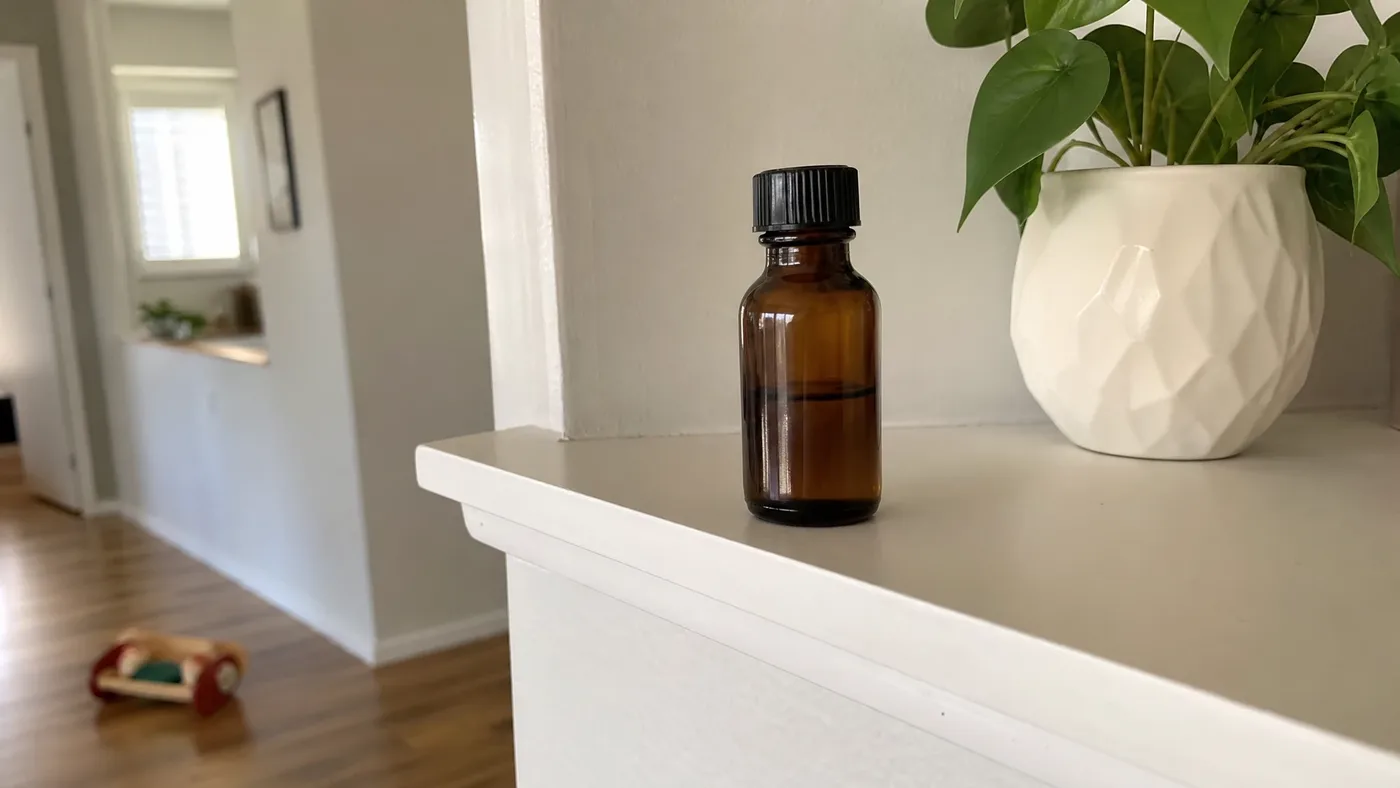
Coriander Oil and Children: Storage, Skin and Air
Where to store a bottle, why we keep it off children's skin, and what to ask a pediatrician about diffusing or allergies at home.

Coriander Oil and Pets: Why Cats Need Extra Care
Why cats need the most caution around essential oils, what veterinary sources say about diffusers, and what to do after an exposure.

Coriander Oil in Pregnancy: What to Ask Your Midwife
What guidance and linalool research say about pregnancy, and five questions to bring to your midwife, OB-GYN or pharmacist.
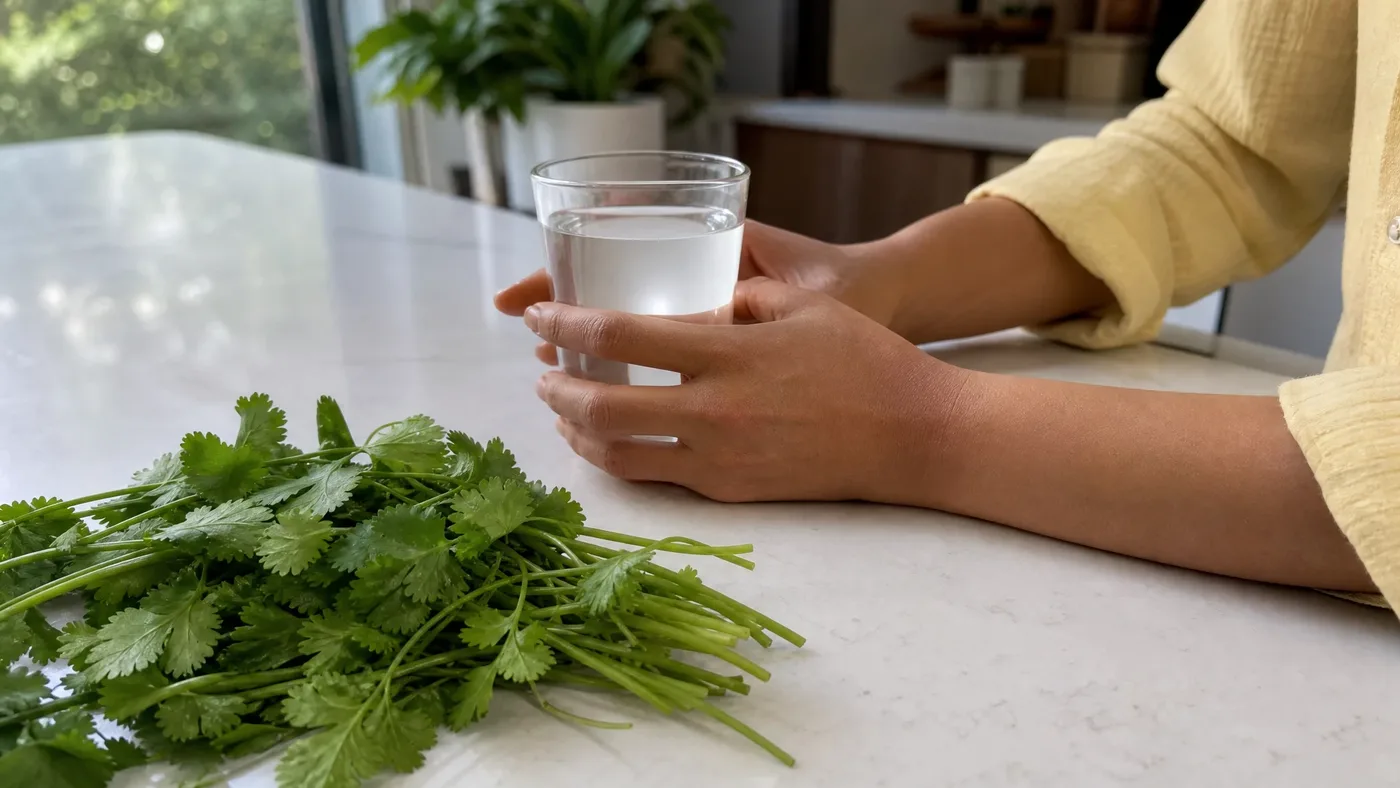
Does Coriander Detox Heavy Metals? What the Studies Say
Where the coriander detox idea came from, what the water and mouse studies tested, and why none of it describes seed essential oil.

Coriander Massage Oil: Exact Amounts for 3 Batch Sizes
A scented coriander body oil is mostly arithmetic. Here are the millilitres for 30, 60 and 120 ml batches and how to pick a sensible strength.
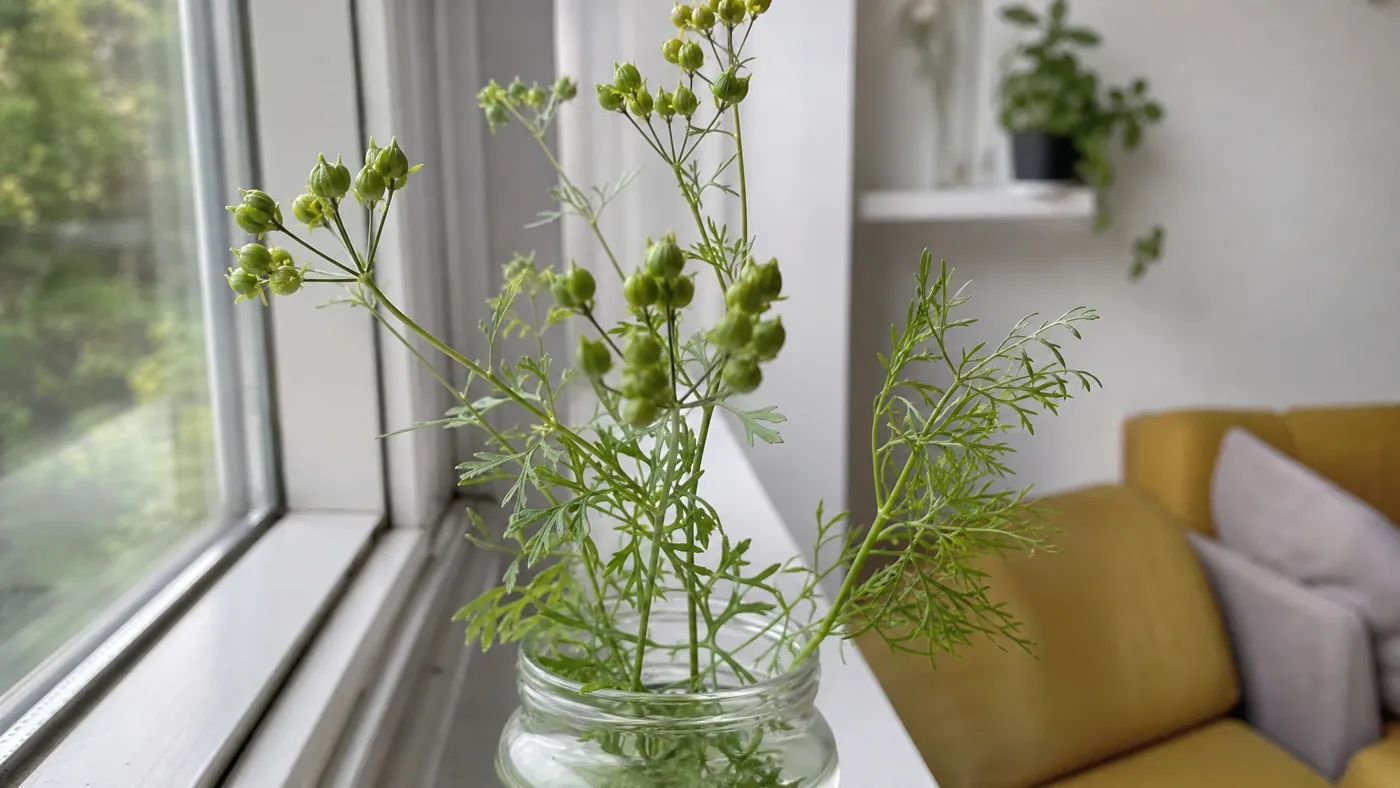
Coriander Oil and Bacteria: What Lab Studies Really Show
Coriander oil slows bacteria in lab dishes. We walk through the main studies and why that is not a claim about our oil.

Coriander Oil and Calm: What Linalool Studies Show
People link coriander with calm because of linalool. See what lab, mouse and extract studies tested and where the evidence stops.
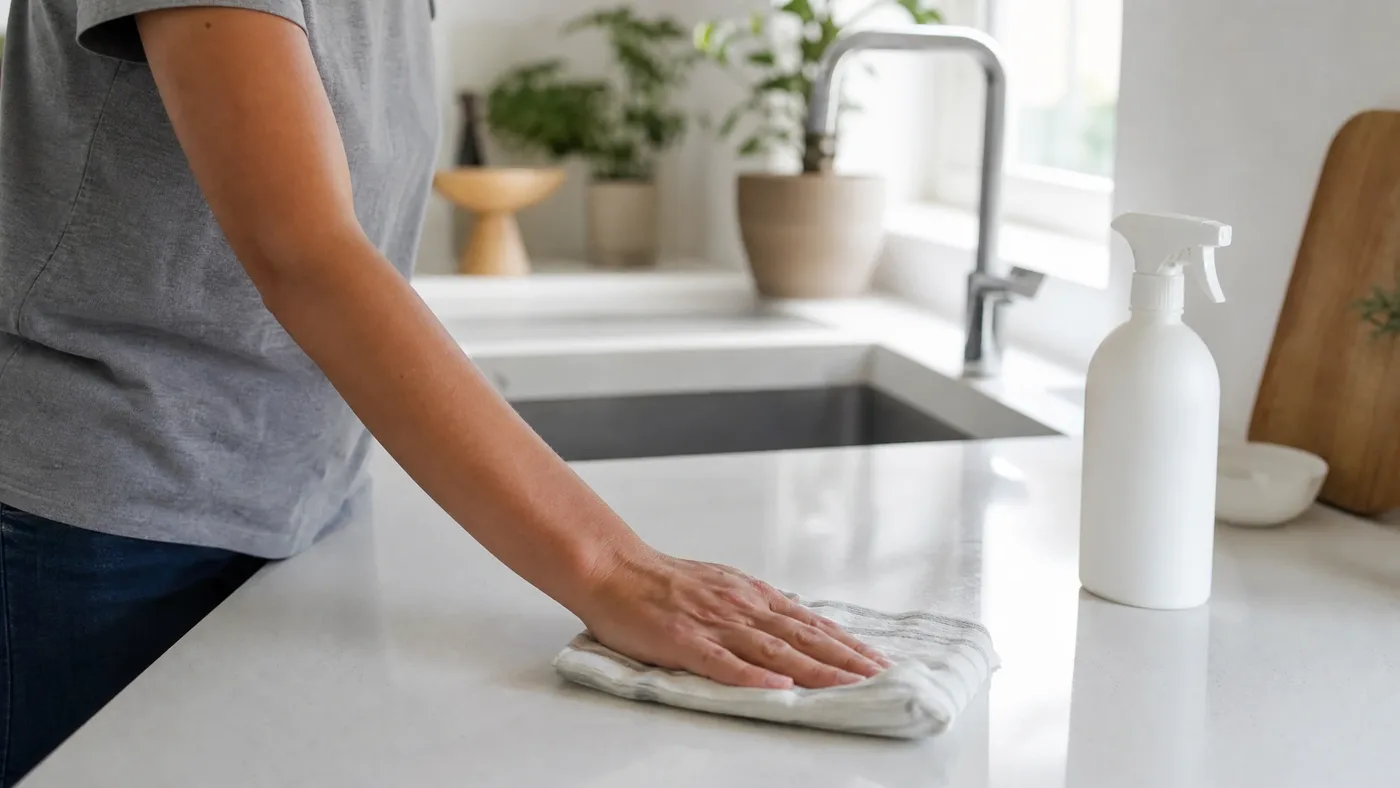
Can You Scent a Cleaning Spray With Coriander Oil?
Coriander oil can give a homemade cleaner a warm spiced-citrus scent. Amounts for a 500 ml bottle, plus the vinegar and stone mistakes to avoid.

Coriander Oil and Digestion: Separating Spice From Claim
Coriander has a digestive reputation in the kitchen. See what the one small trial tested and why our oil is external only.

Coriander Oil for Muscle Massage: What the Evidence Says
After a good rub-down, is it the oil or the hands? Here is what studies say about oil versus massage, plus the dilution maths for coriander seed oil.
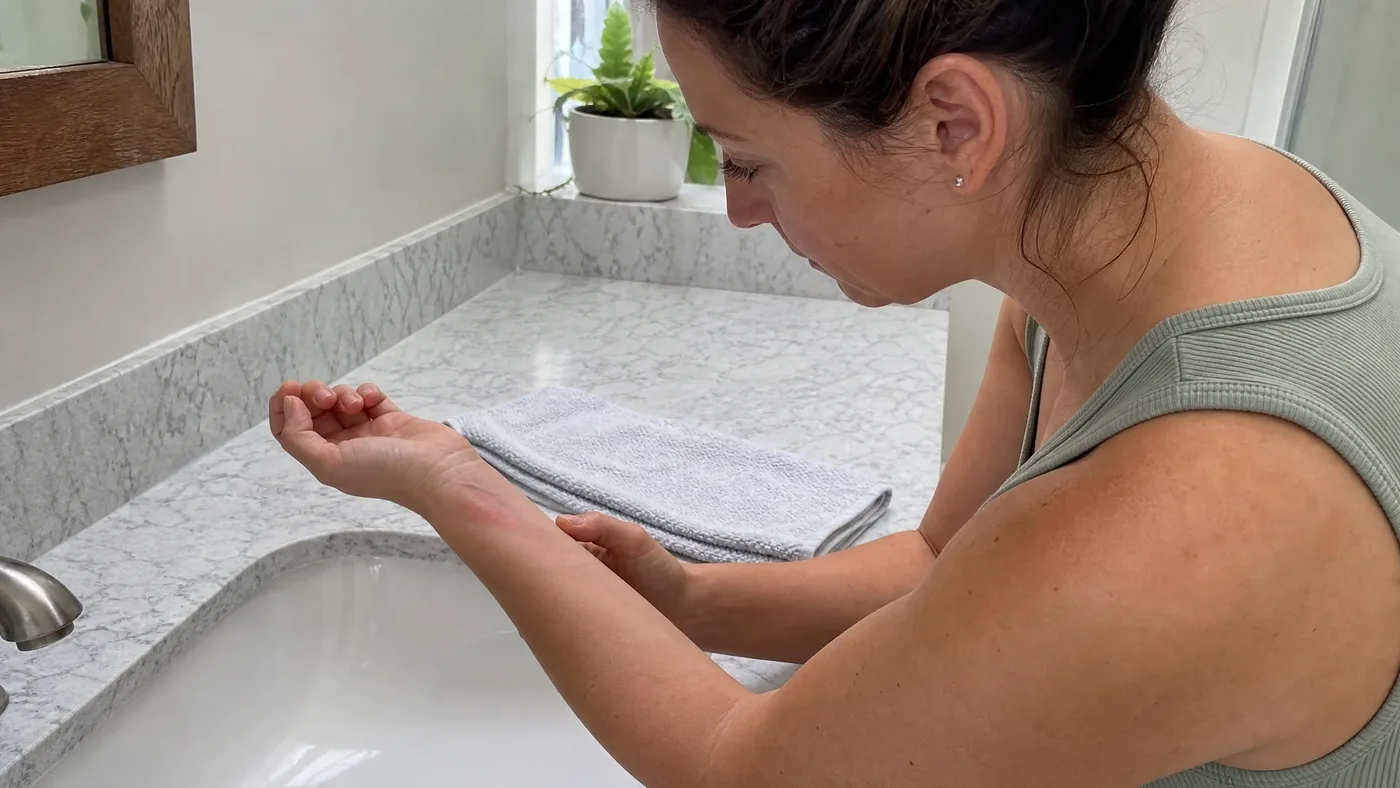
Coriander Oil Side Effects: Why Fresh Oil Matters
The skin allergen in a linalool-rich oil is mostly what linalool becomes in air. Here is what that means for dilution, storage and when to stop.
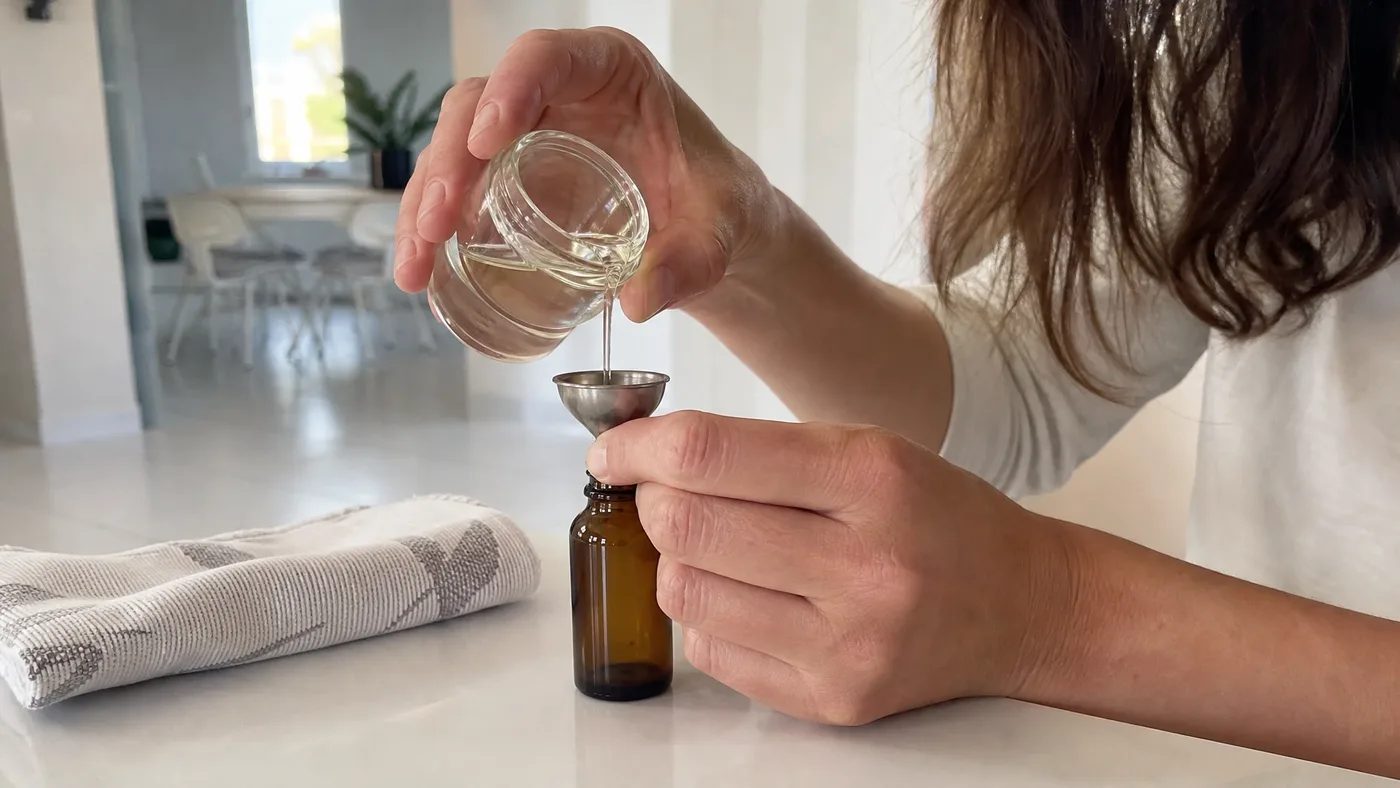
Coriander Roller Bottle Recipes: Drops and Percentages
One drop can be a third of a percent in a 10 ml roller. Here is the drop maths and four simple coriander roller formulas built around it.
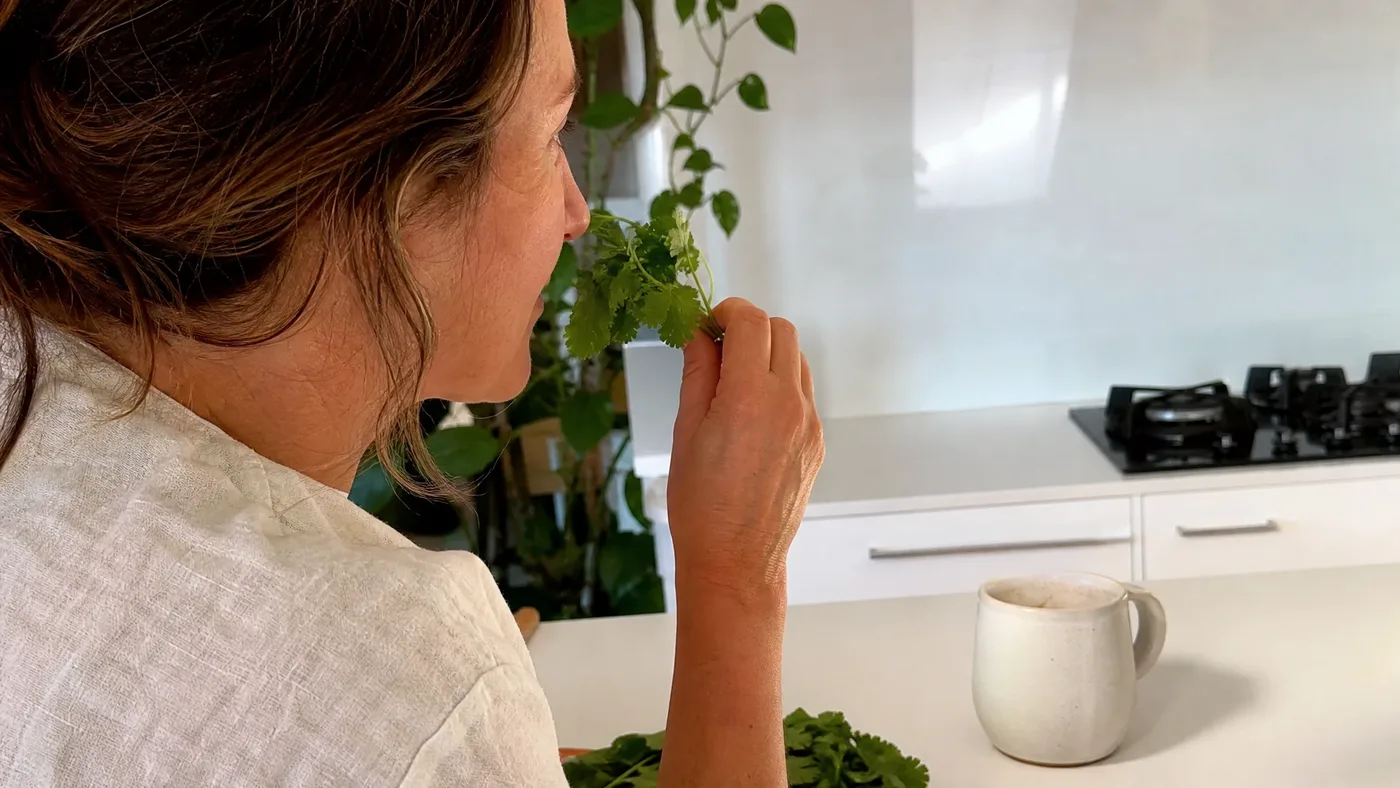
Why Does Cilantro Taste Like Soap? And What About Seed Oil
Cilantro tastes like soap to some people, and genes play a small part. Here is the science, and why coriander seed oil smells so different from the leaf.
What Does Therapeutic Mean on Coriander Oil Labels?
No regulator grants therapeutic grade to essential oils. Here is the real coriander specification and what to ask a seller instead.
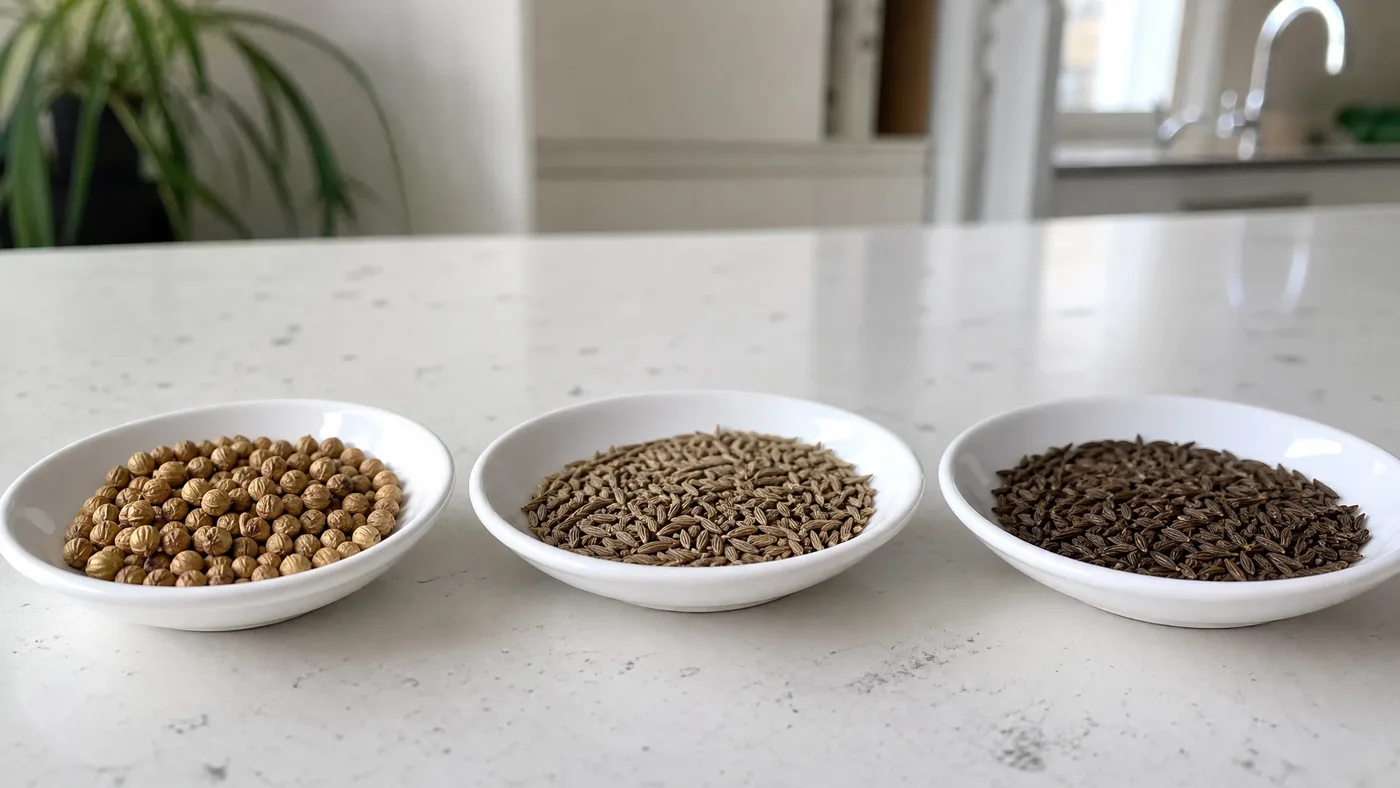
Coriander vs Cumin vs Caraway Oil: What Sets Them Apart
Same plant family, different oils: linalool, cuminaldehyde, carvone. See what sets the three seeds apart before you buy.

Coriander vs Lavender Oil: Same Molecule, Different Feel
They share a lead molecule and little else. How coriander seed oil and lavender differ in chemistry, scent and blending.

Coriander vs Peppermint Oil: What Each Is Really For
Peppermint studies looked at coated capsules, not aromatic oil. What the research covered, and where our coriander seed oil fits.
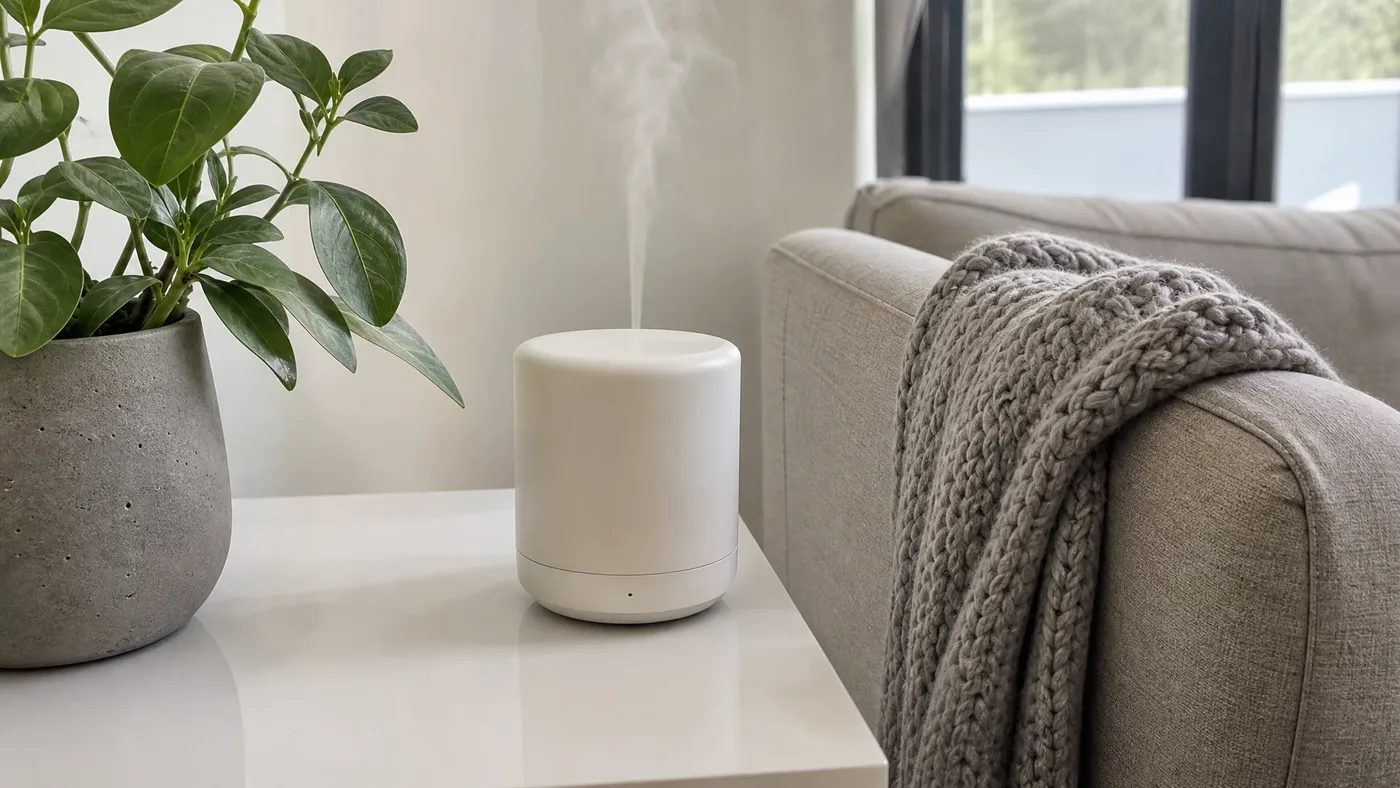
How to Diffuse Coriander Oil: Drops, Timing, Tips
Coriander oil is subtle, so start with two or three drops, keep sessions short and air the room. Here is a simple routine.
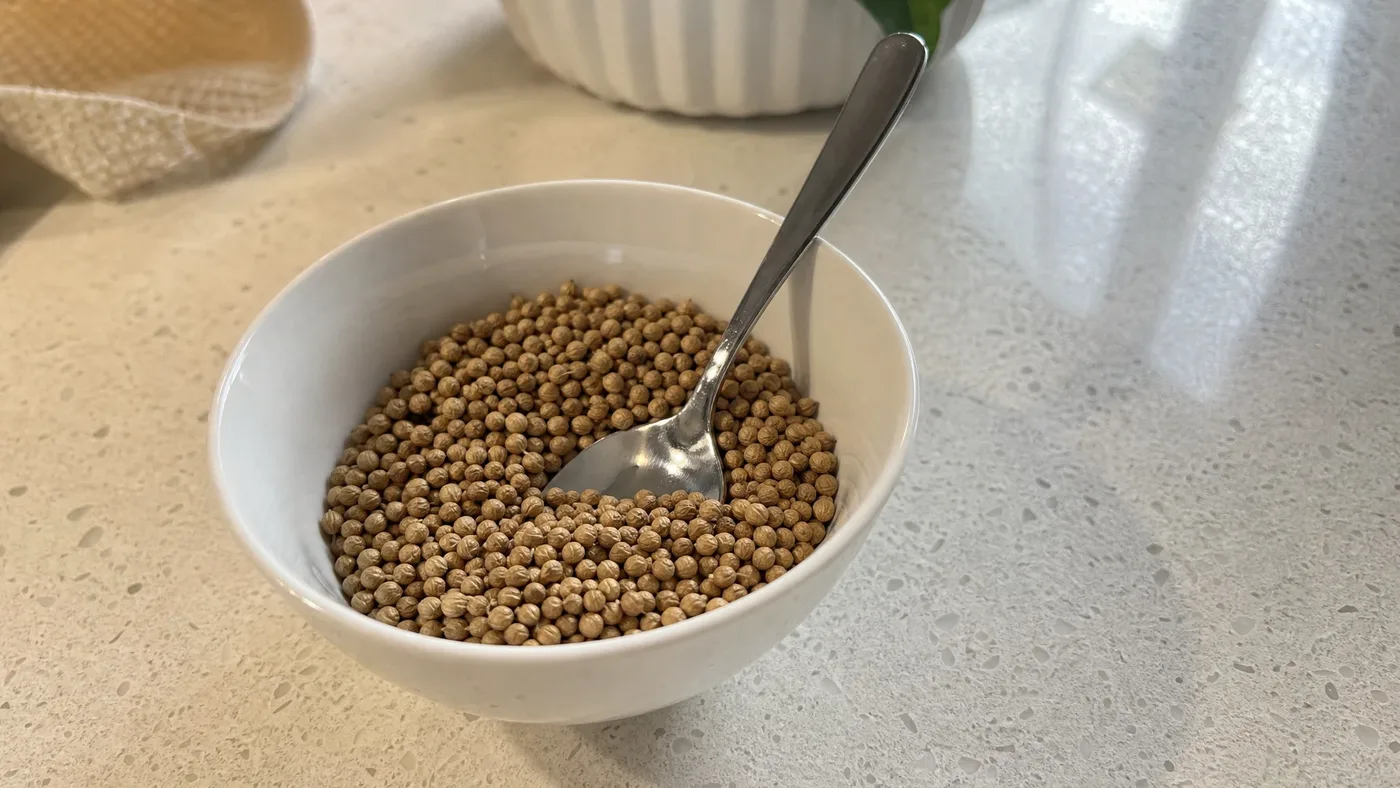
Is Coriander Oil Organic? What the Label Covers
Organic describes how coriander was grown and handled, not what the oil contains. See what the rule covers and what to ask any seller.
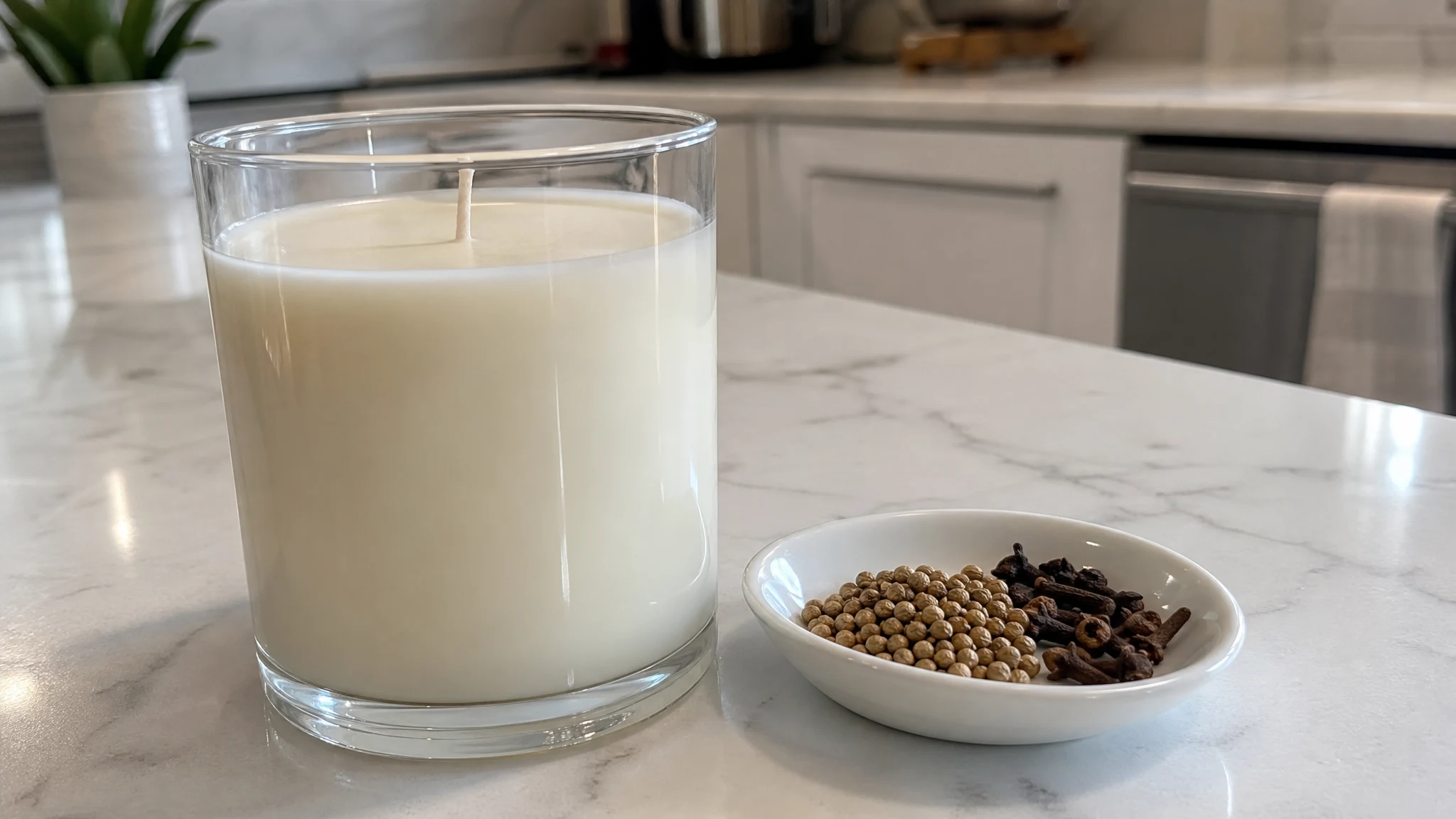
Coriander Oil in Candles: Fragrance Load Made Simple
Coriander oil gives candles a warm, floral spice scent. Learn about throw, fragrance load in grams and a simple test pour.

Coriander Oil in Autumn Spice Blends: Pairing Ideas
Coriander seed oil is the bridge in an autumn blend, not the heat. See how its chemistry sits beside pepper, cardamom and orange.
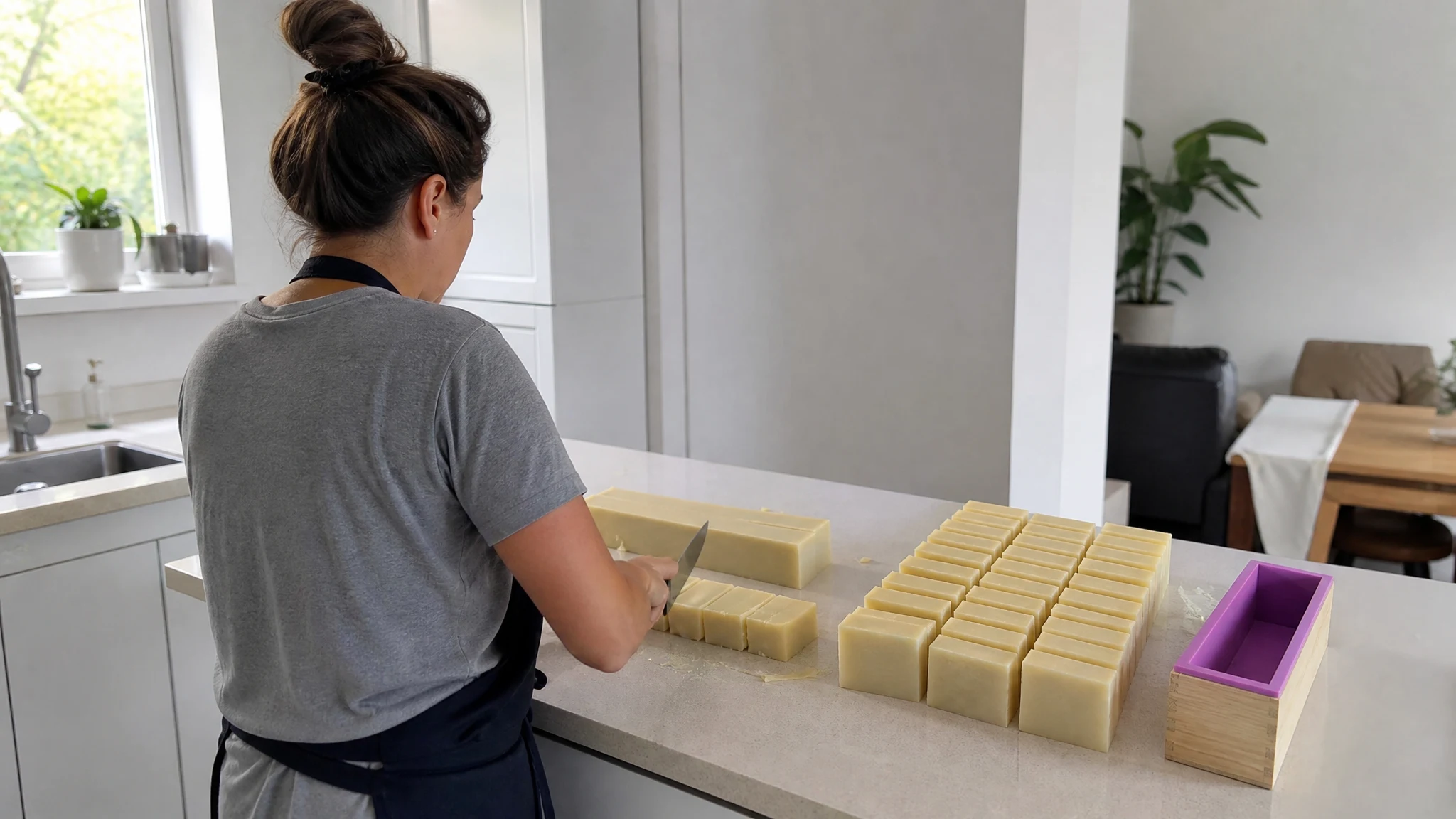
Coriander Oil in Cold-Process Soap: How Much to Use
Work out a coriander rate for cold-process soap from the rinse-off ceiling, with grams per batch and a label check on linalool.
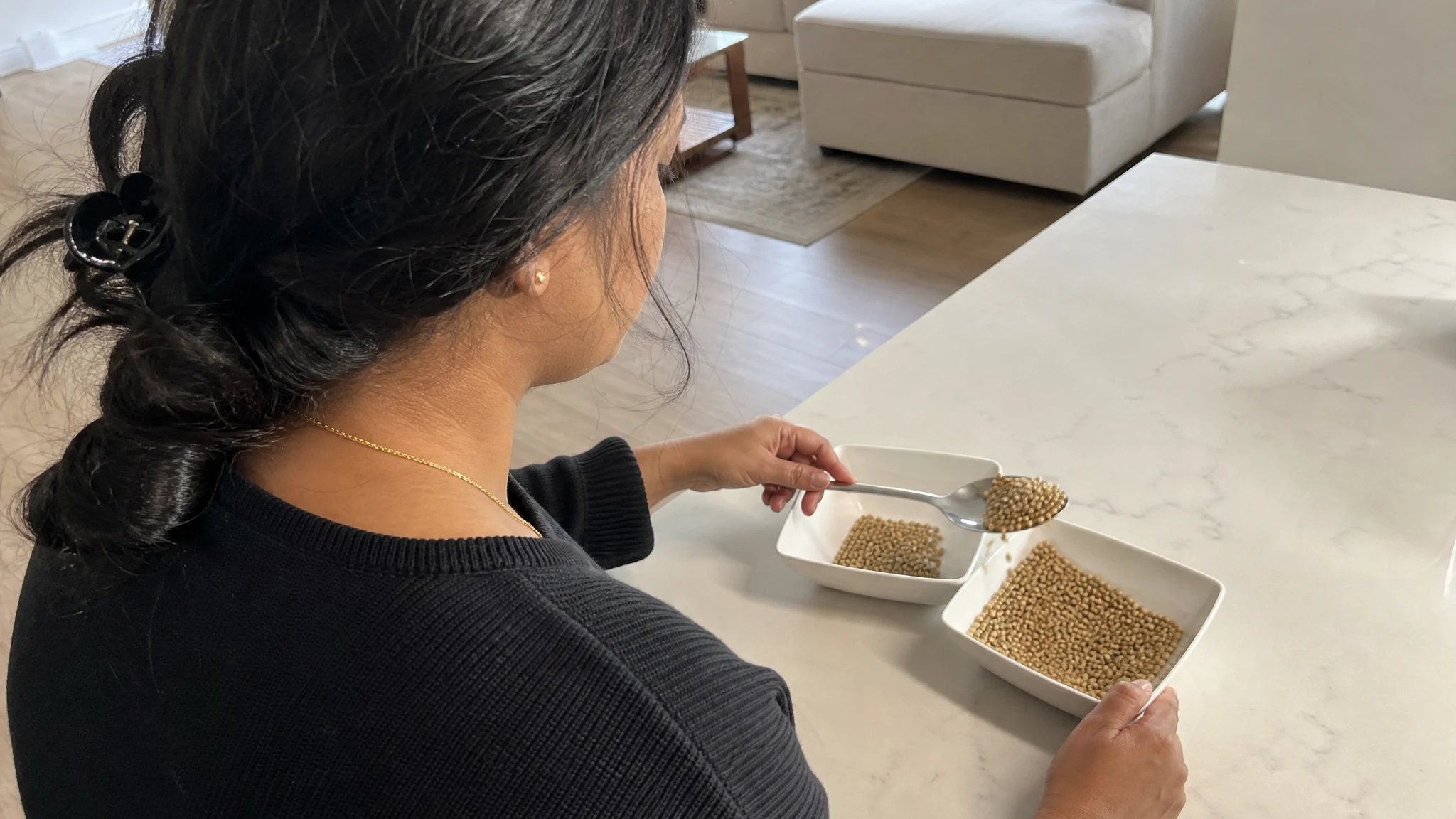
Coriander Seed Oil vs CO2 Extract: What Differs
One seed, two ways to open it. Steam gives a light, volatile oil; CO2 can bring along fatty material too. Here is how to choose.
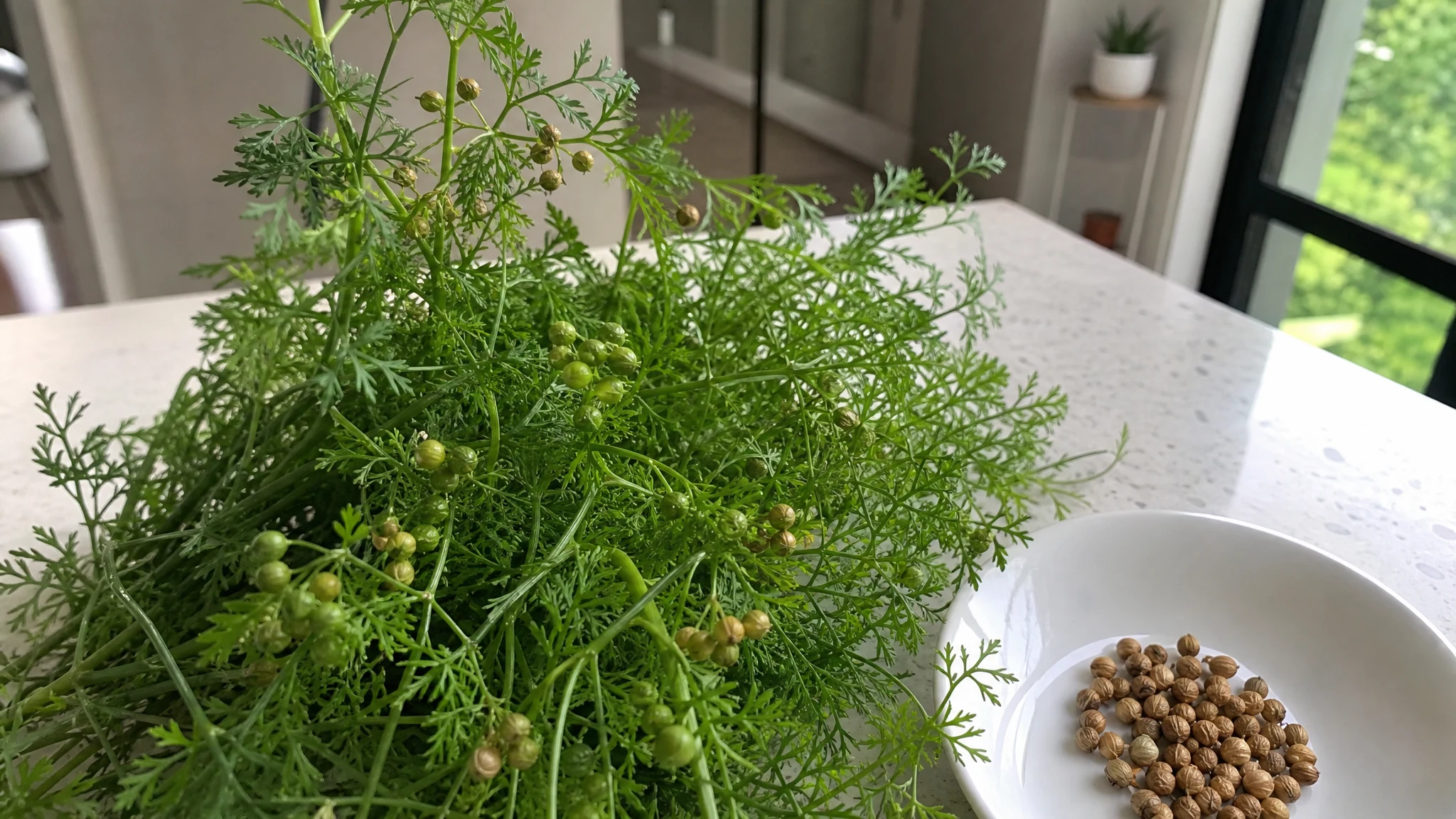
What Is Coriander Seed Oil? A Plain Guide
The seed in coriander seed oil is really a fruit, and that explains why it smells so unlike cilantro. Here is what the oil is and why it matters.

What Does Coriander Seed Oil Smell Like?
Warm, woody and softly spicy, with a light floral edge: a scent profile of coriander seed oil, why it is not cilantro, and how to judge it by nose.
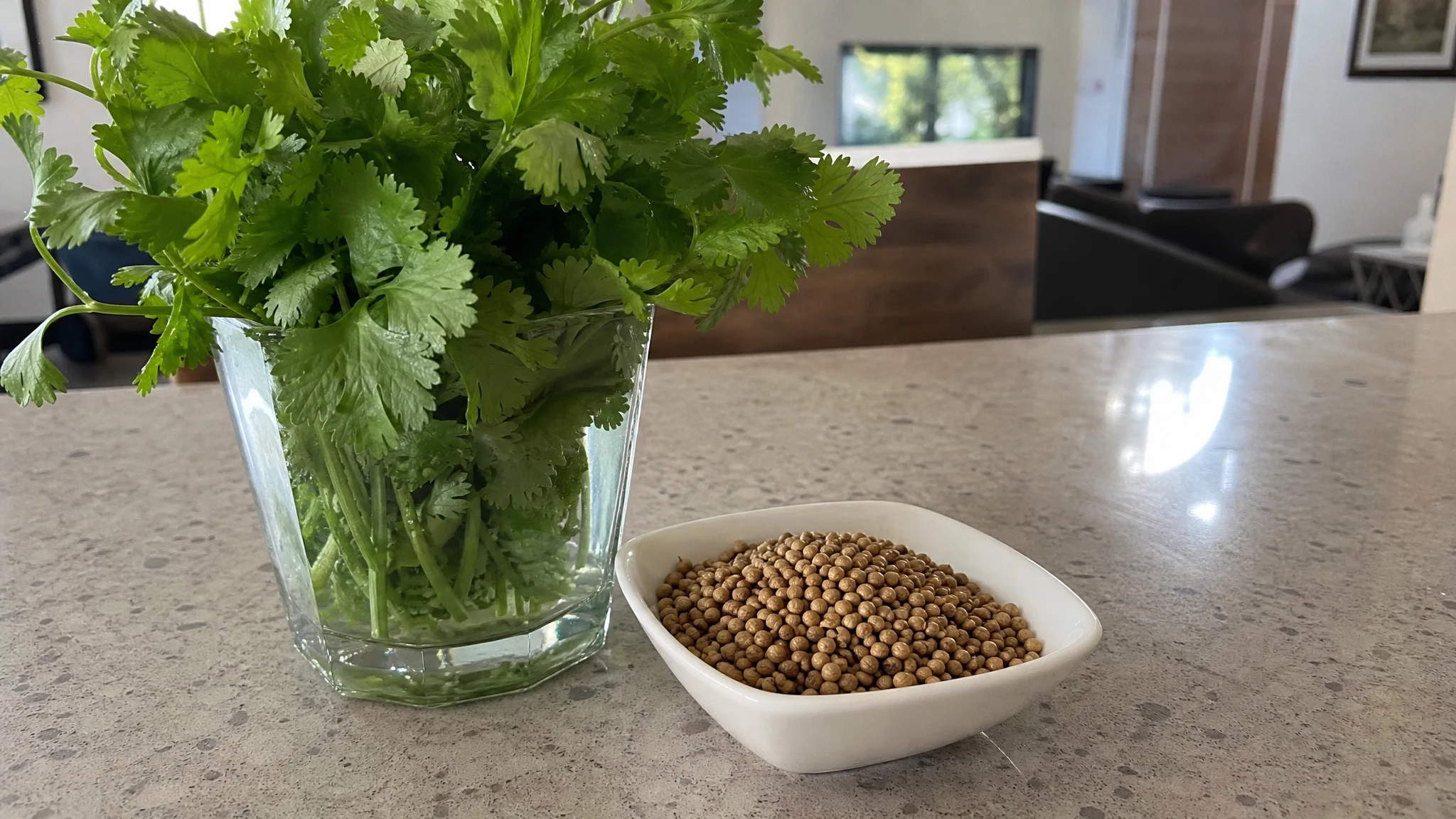
Coriander Seed Oil vs Leaf Oil: Why They Smell Apart
One plant, two very different oils: warm, sweet-spiced seed and sharp green leaf. Here is why they differ and how to read a label.
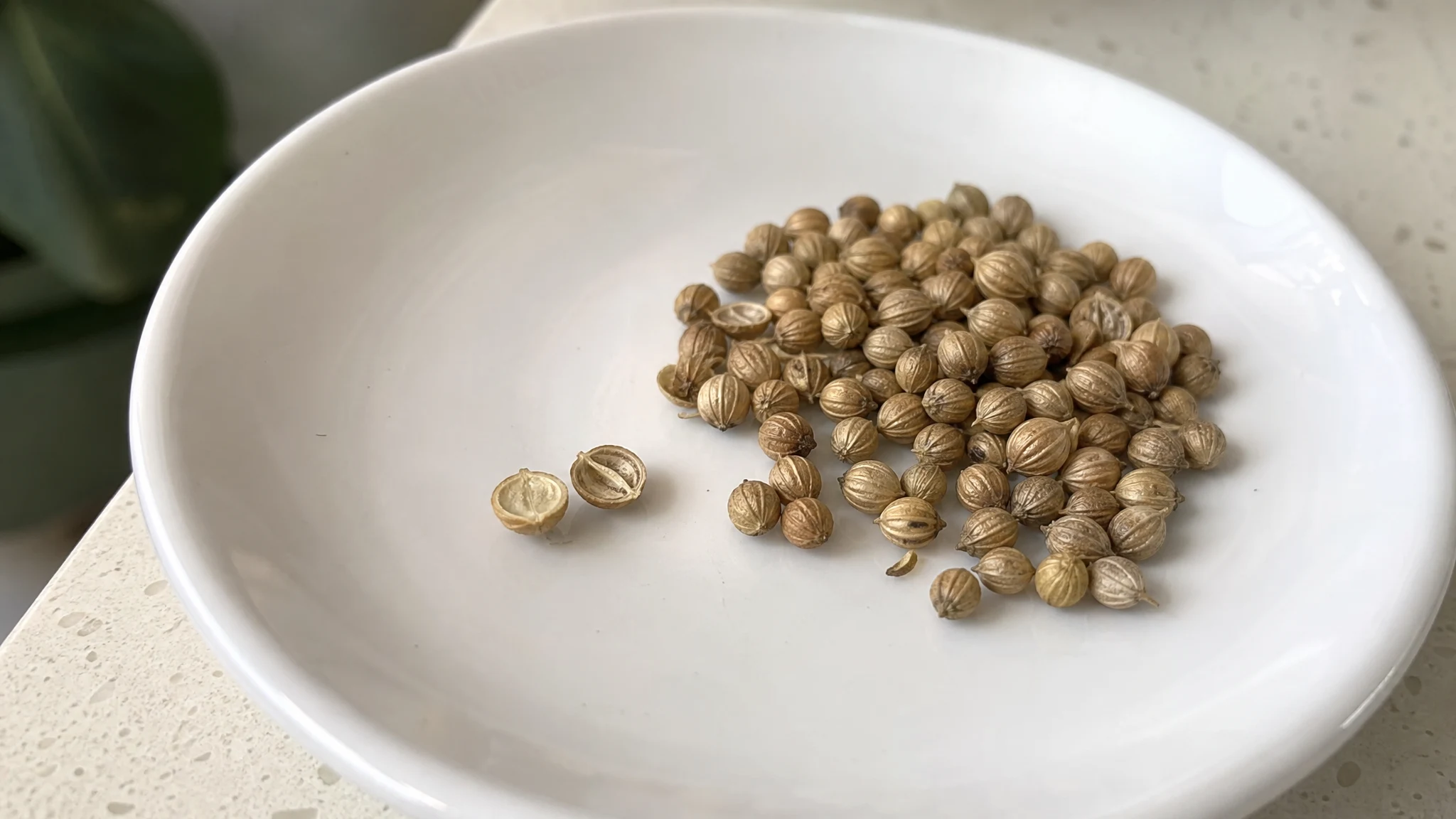
Linalool in Coriander Oil: What It Is and Why It Matters
Linalool gives coriander seed oil its smooth, floral-woody heart. Learn why the numbers differ between reports and how to look after the bottle.
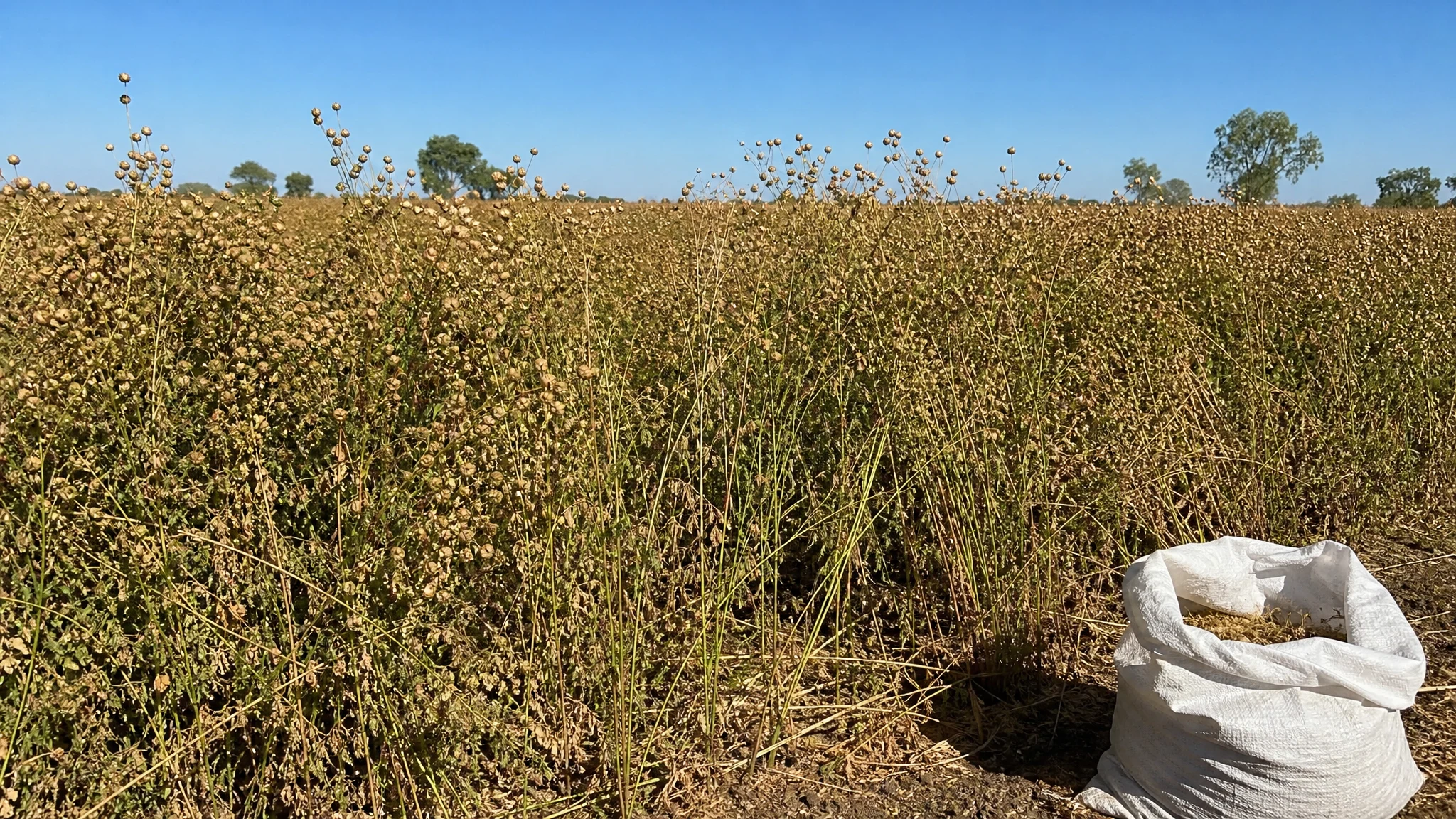
How Is Coriander Oil Made? From Ripe Seed to Bottle
Ripeness and distillation time shape coriander seed oil more than the equipment does. A walk from the plant through crushing, steam and separation.
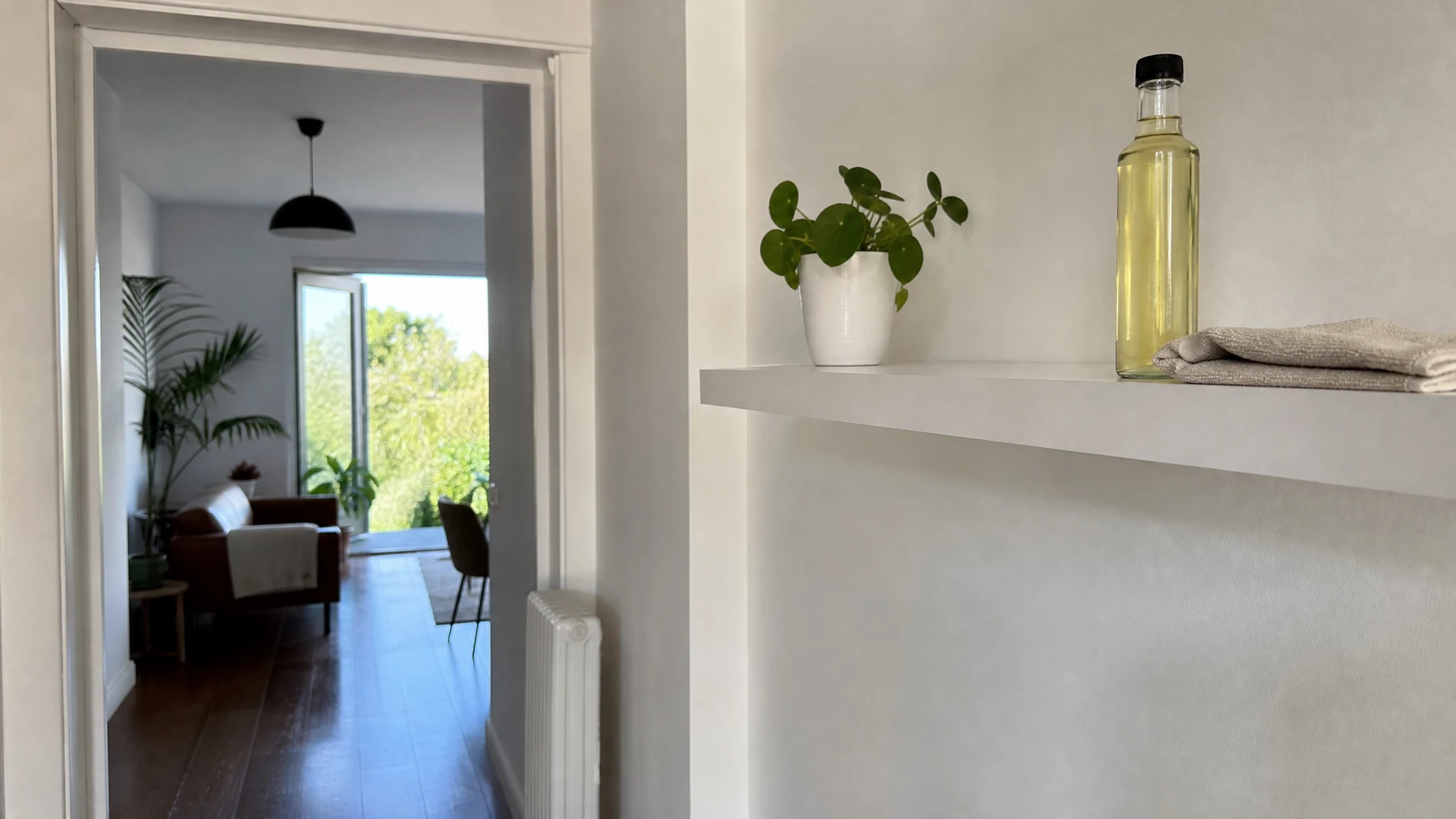
Is Coriander Oil Phototoxic? Sun Sense for Skin
Phototoxicity comes from furanocoumarins. Here is how that works, why distillation helps but is not a guarantee, and sensible habits for sunny days.
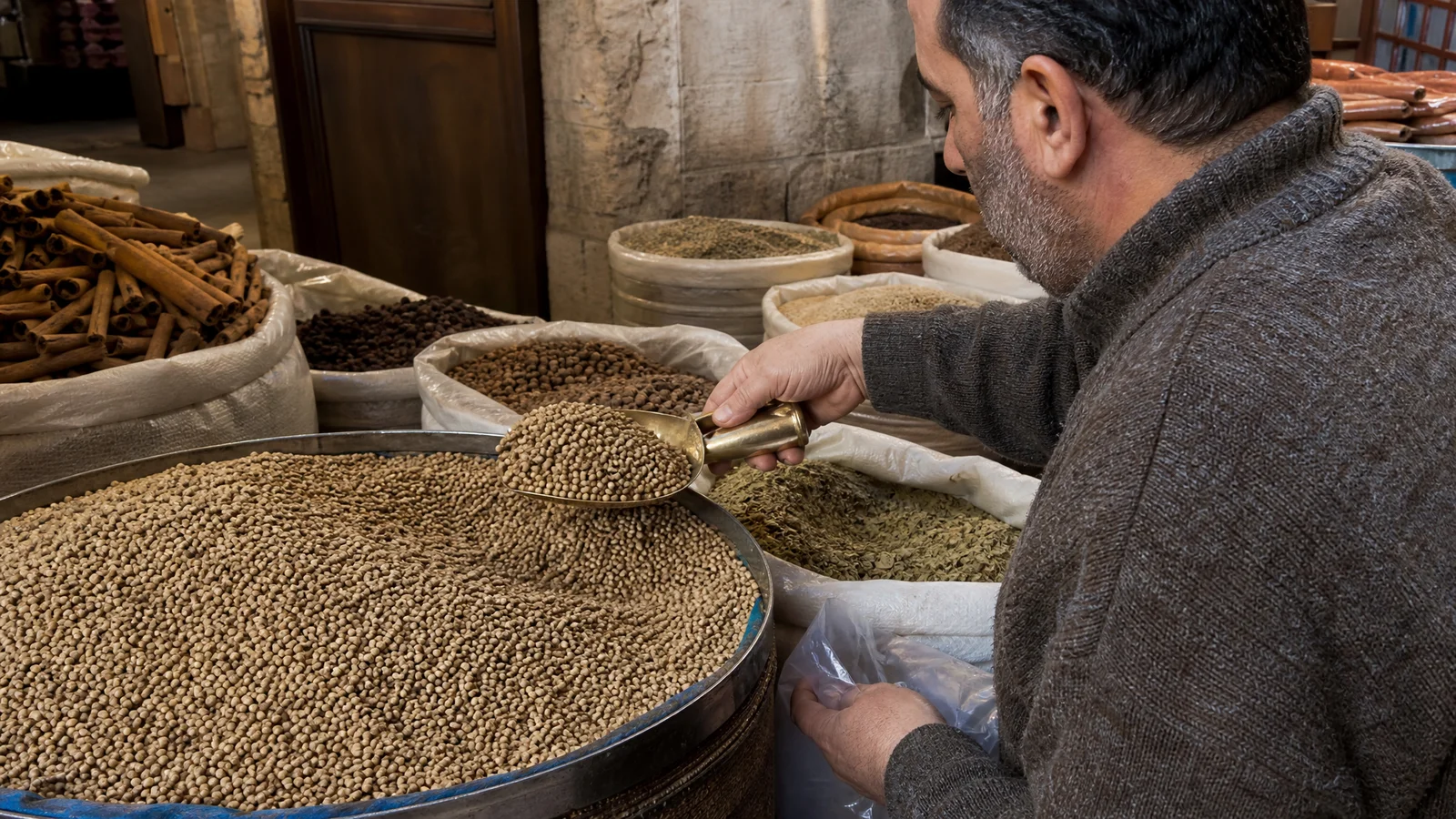
Coriander History: From Ancient Seeds to Modern Oil
Coriander is ancient, but what do we actually know? Archaeology, old texts and chemistry tell a garden-herb story.
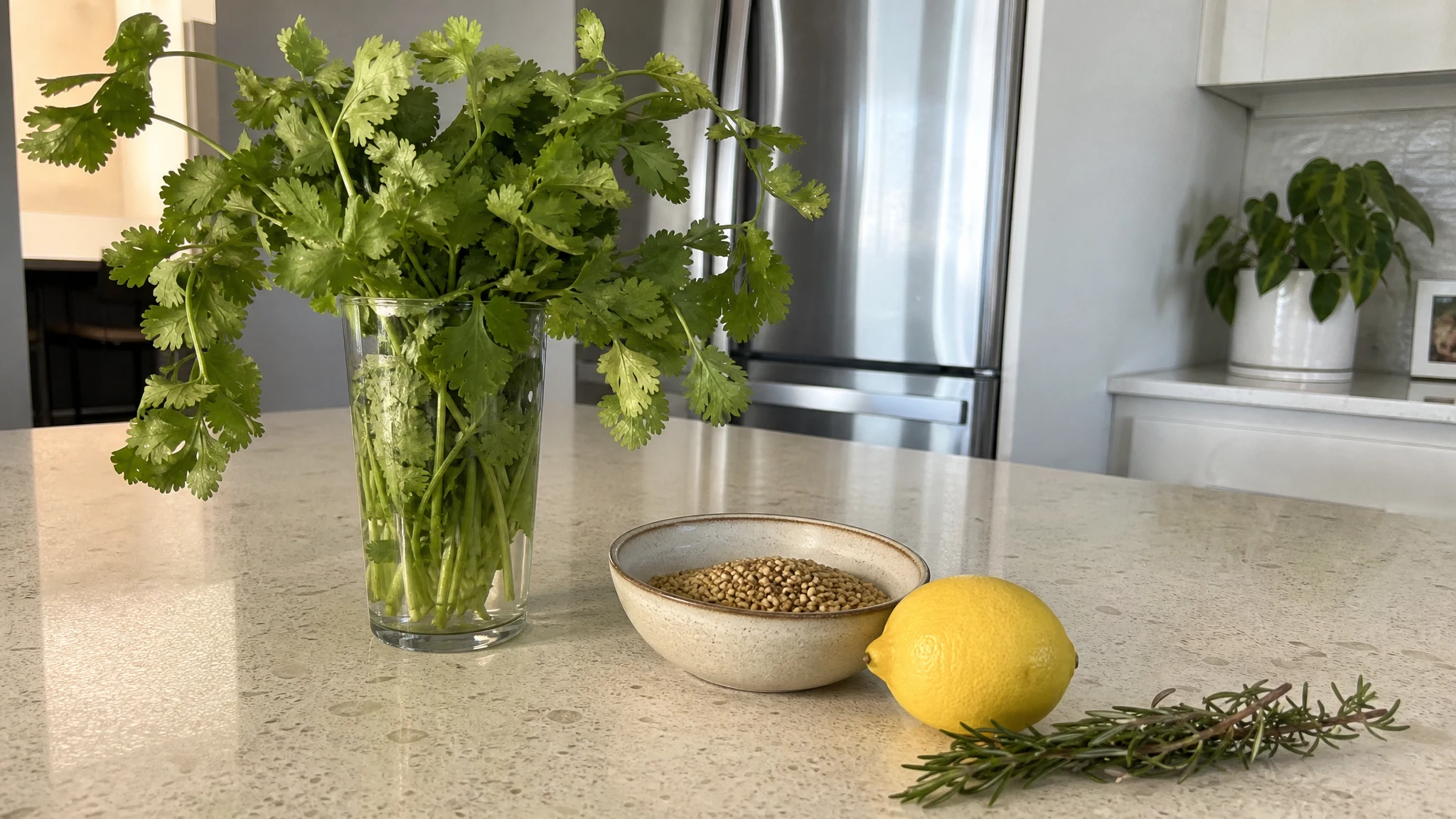
Coriander Oil Substitute: What to Use When You Run Out
Out of coriander seed oil? Decide what it was doing in your blend first, then see which oils can take over that job and how the dilution changes.
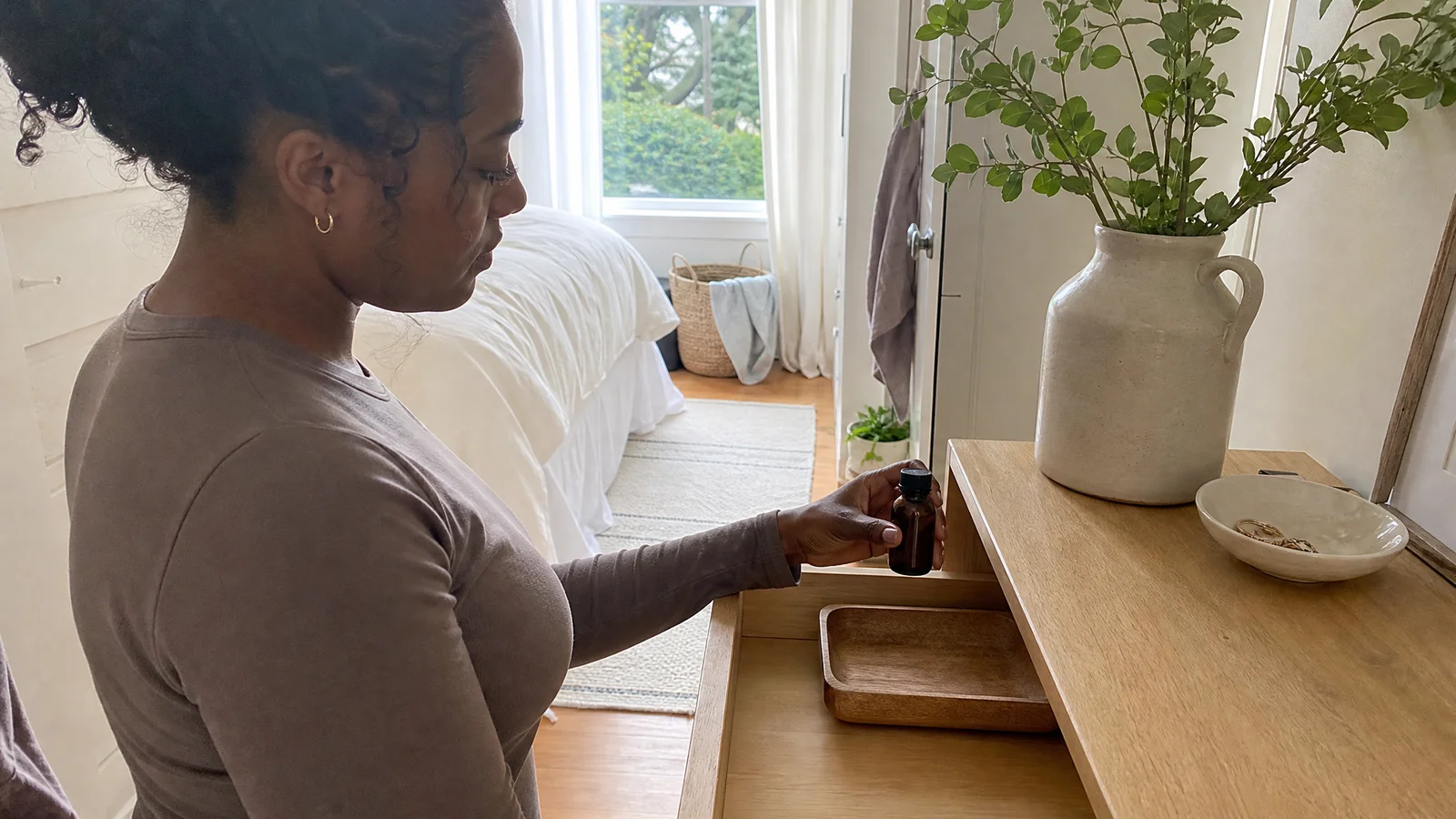
How to Store Coriander Oil So It Stays Fresh
Linalool reacts slowly with air, so small habits protect your coriander oil. Here is a storage setup and a quick freshness check.
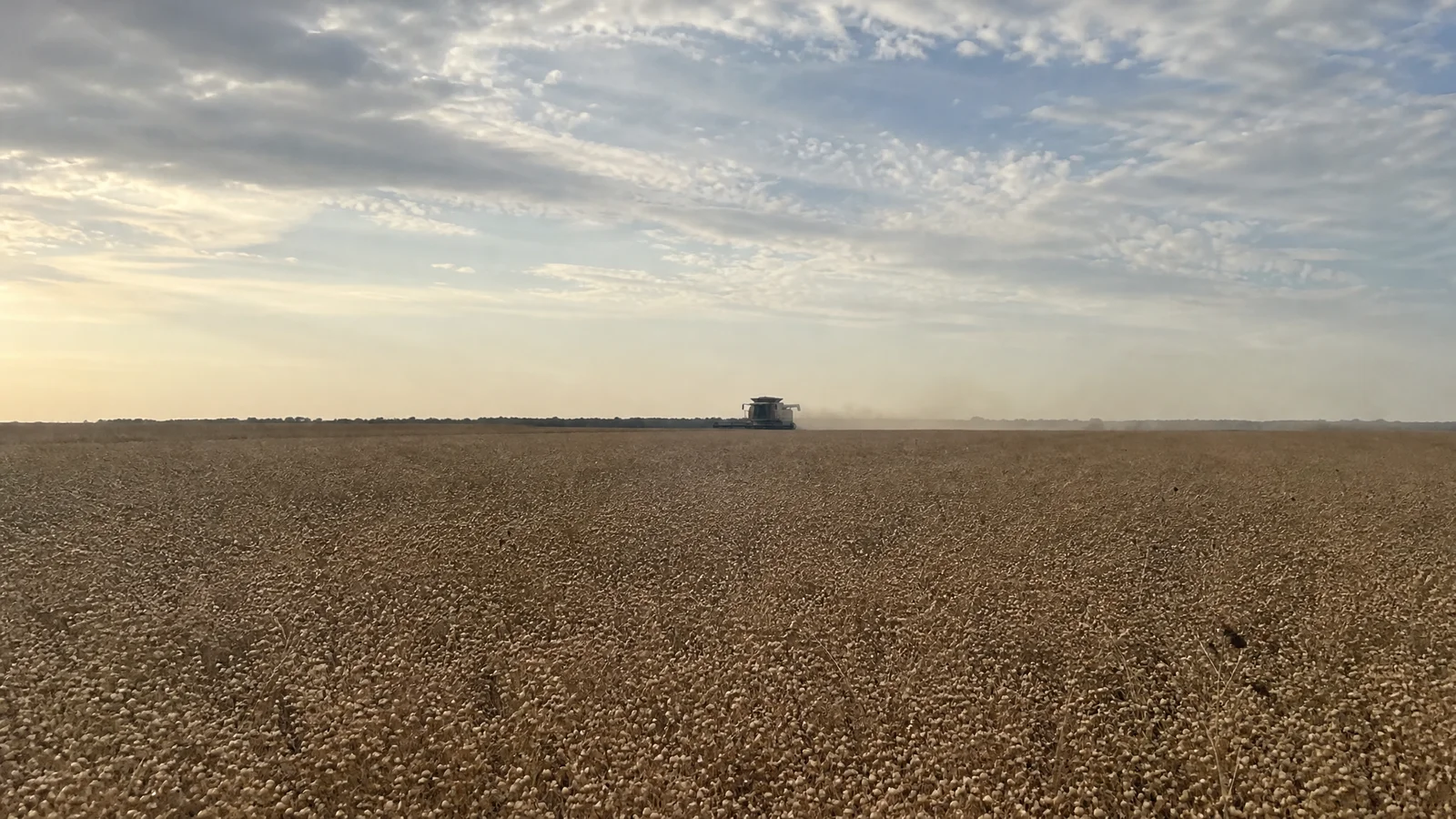
Coriander Growing Regions: Why Oils From One Country Differ
A country on the label is only part of the story. Variety, sowing date and how ripe the seed was can change what ends up in the bottle.
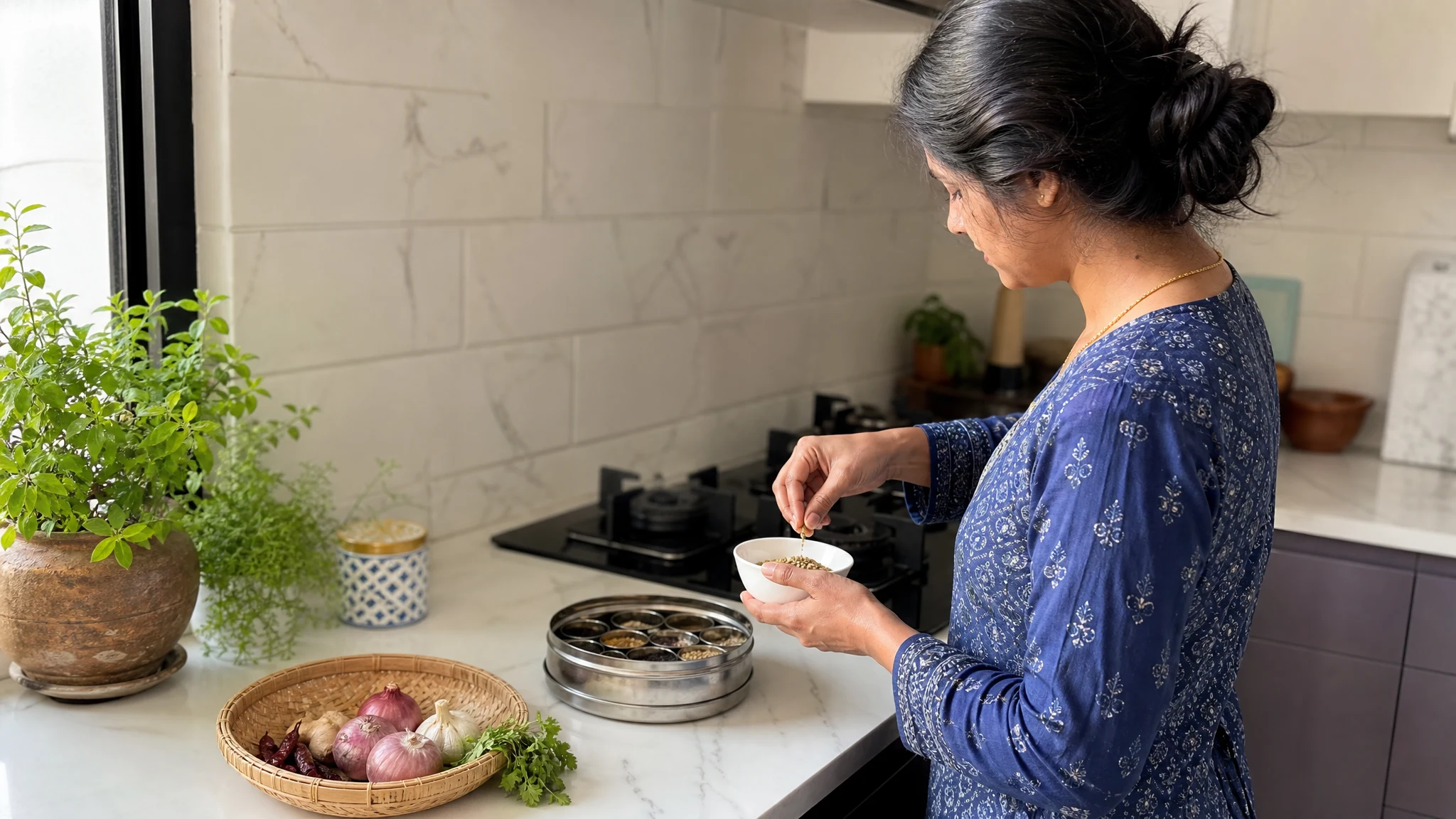
Coriander Oil Uses: Diffuser, Body Oil, Soap and More
From a few drops in the diffuser to a scented body oil, here are the ways we would use coriander seed oil, with the amounts that keep it pleasant.

Coriander Oil for Hair: Why the Carrier Comes First
In a hair oil the carrier does the work and coriander brings the scent. How to choose a carrier, what dilution suits a scalp, and a simple routine.
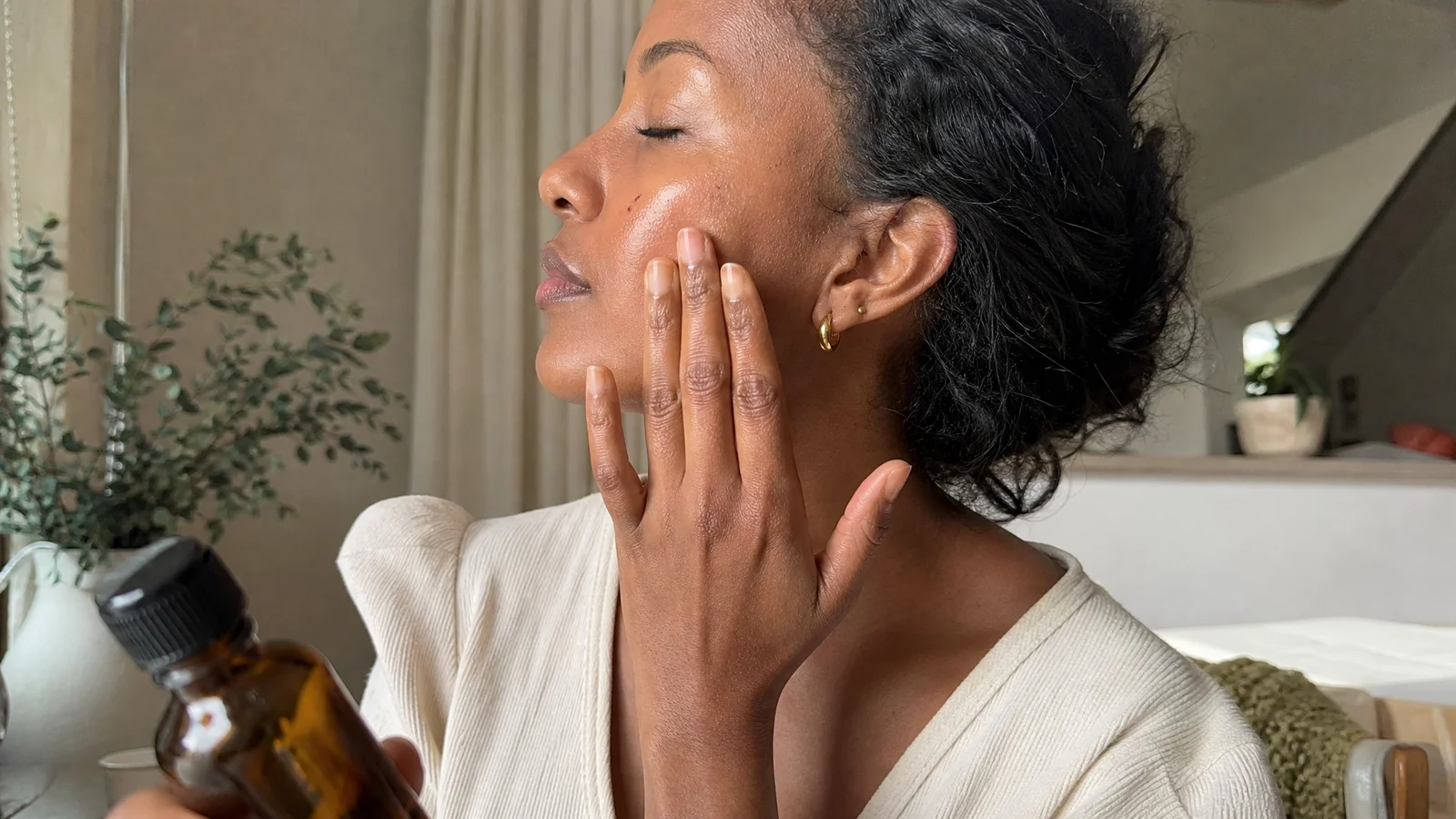
Coriander Oil on Skin: Dilution by Area, Step by Step
Not every coriander seed oil is the same material. Learn which is which, then pick a dilution for face or body with simple arithmetic.

DIY Coriander Cologne: Two Formulas for a 30 g Bottle
Two light 2% cologne formulas built on coriander seed oil, with the gram maths, ingredient swaps and skin guidance to mix a bottle at home.

Coriander and Frankincense Diffuser Blend: A 2 to 1 Mix
Warm coriander over a resinous frankincense base: a 2 to 1 stock blend with the drop maths, sensible diffuser habits and what to check in the second oil.
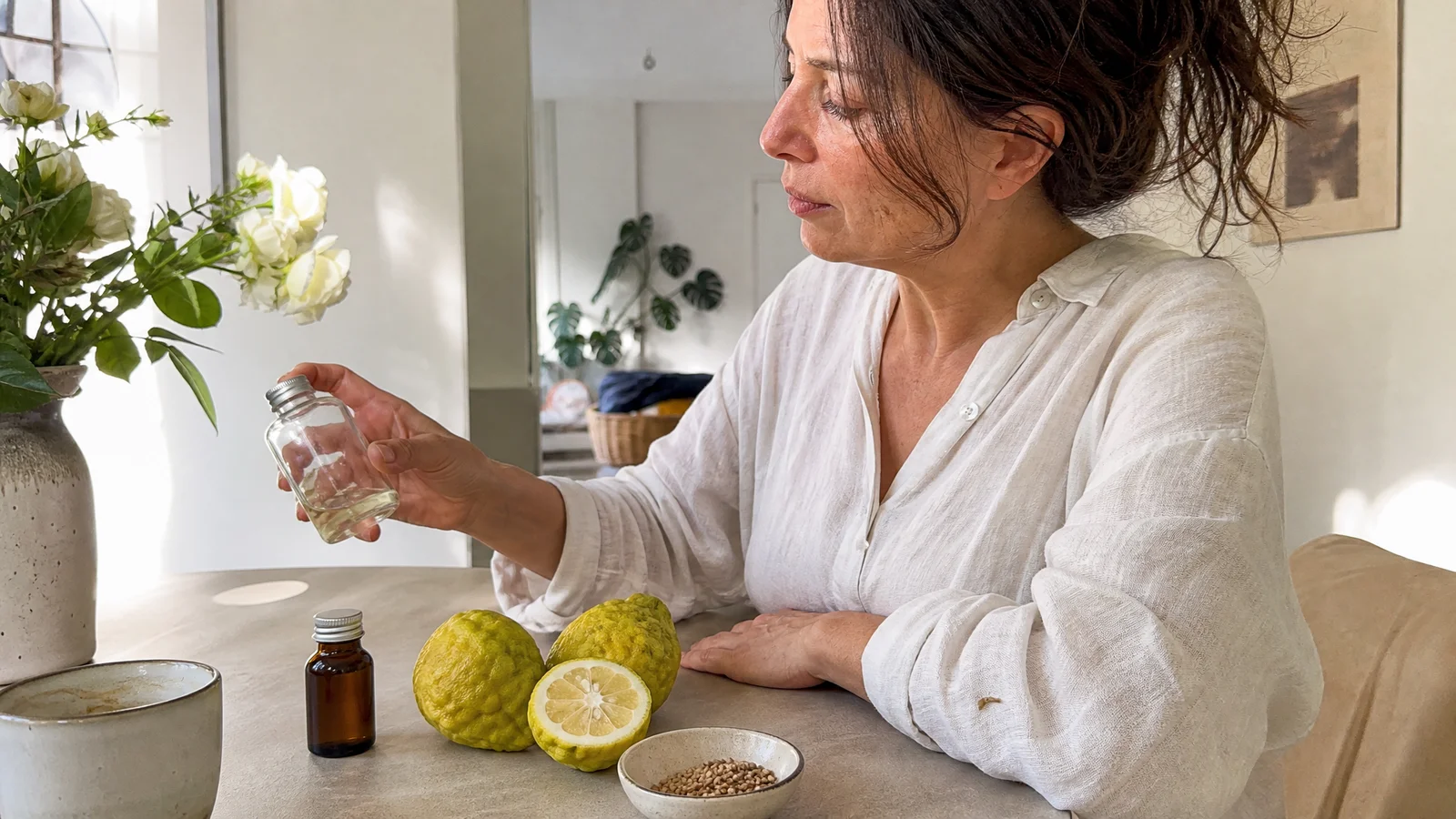
Coriander and Bergamot: Ratios for a Citrus Spice Blend
Bergamot brings the bright citrus top, coriander the warm linalool body. Three ratios worked out in millilitres, plus the bergamot grade to choose.
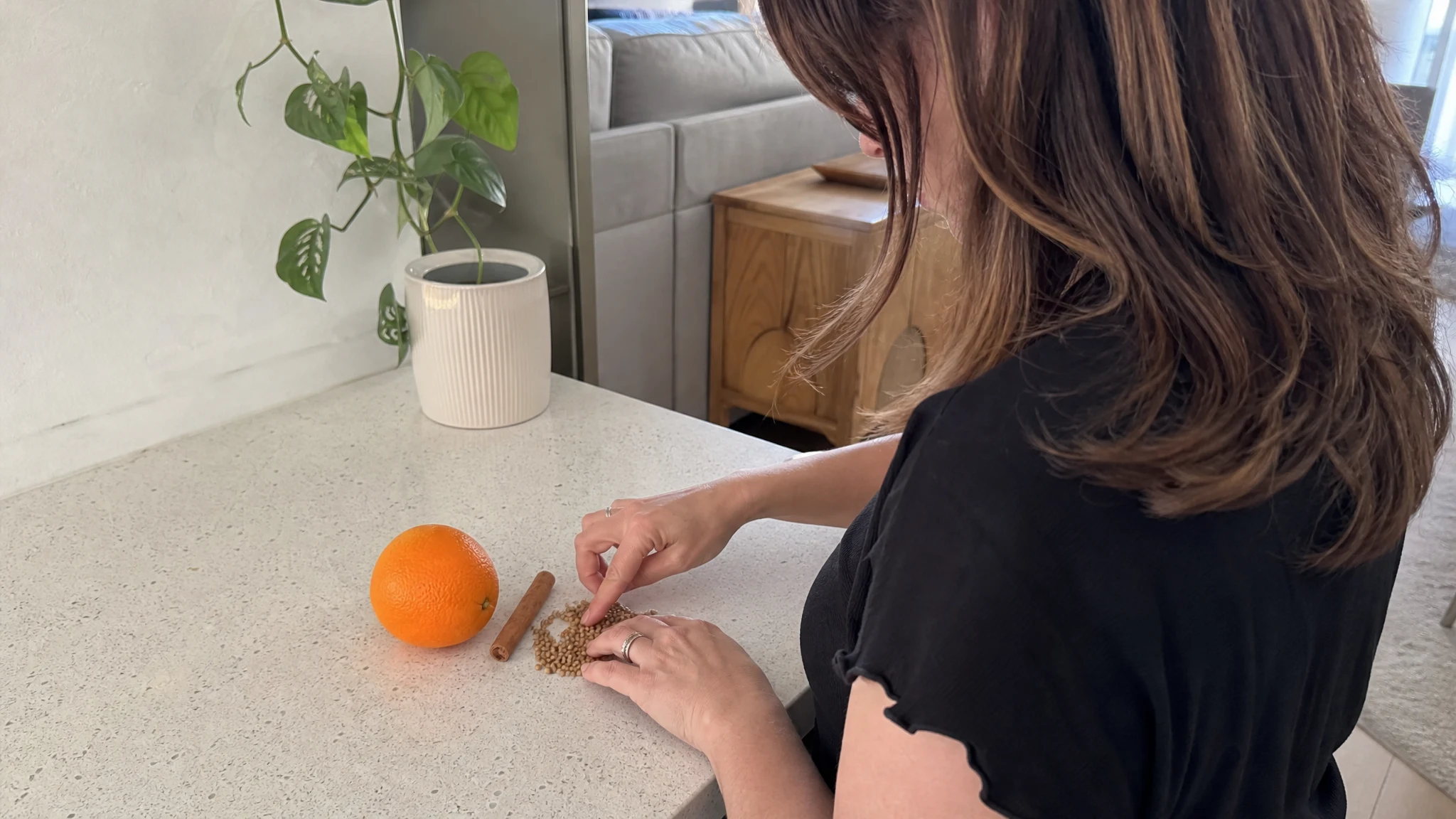
What Blends with Coriander Oil? Pairings That Work
Coriander is mostly one smooth molecule, so the better question is what is missing from it. Tops, bases and the arithmetic of a small roller.
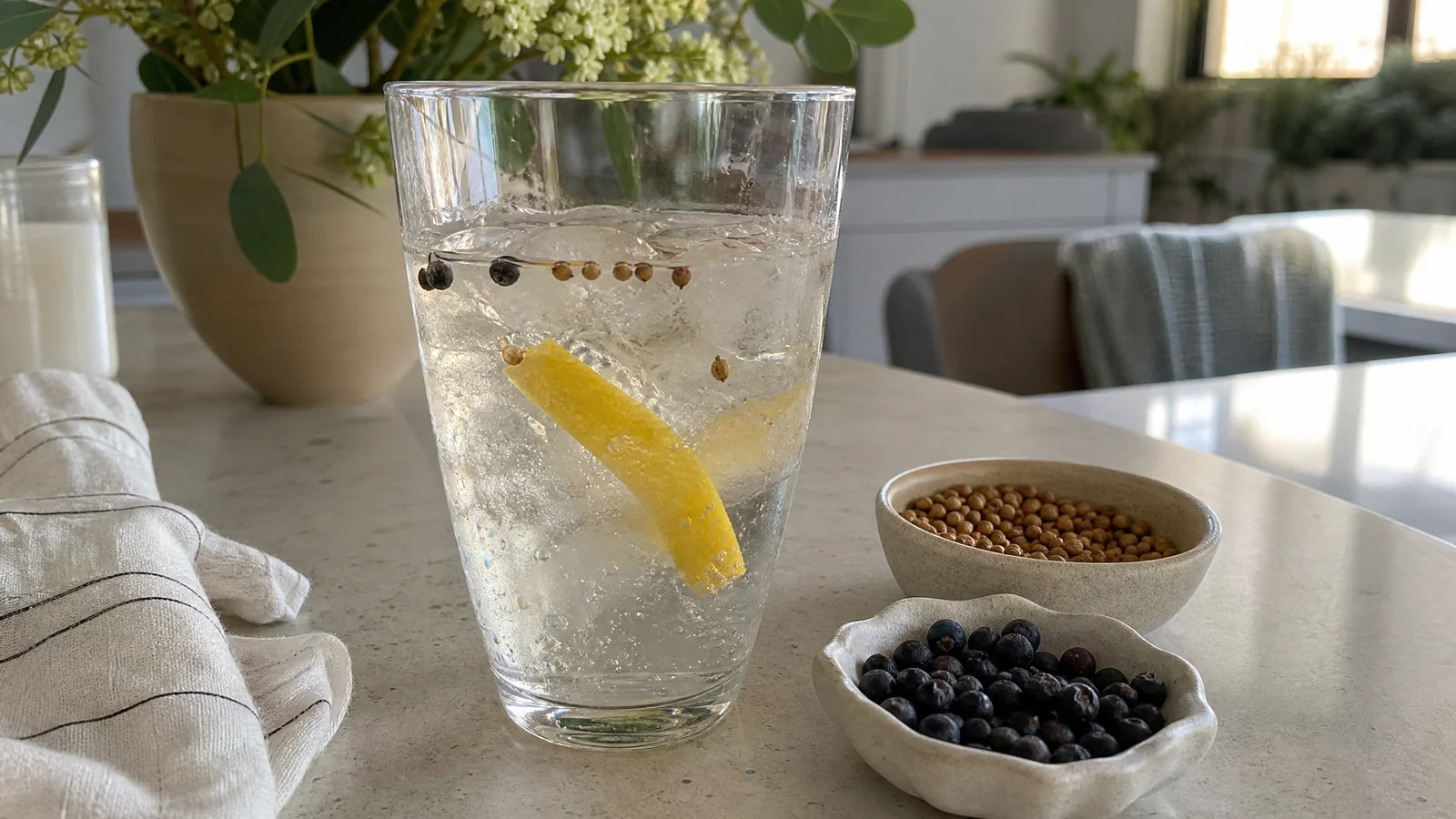
Coriander in Gin: What the Seed Adds to Your Glass
How coriander seed shapes the aroma of gin and cooking, and how a distilled essential oil differs from the spice jar.
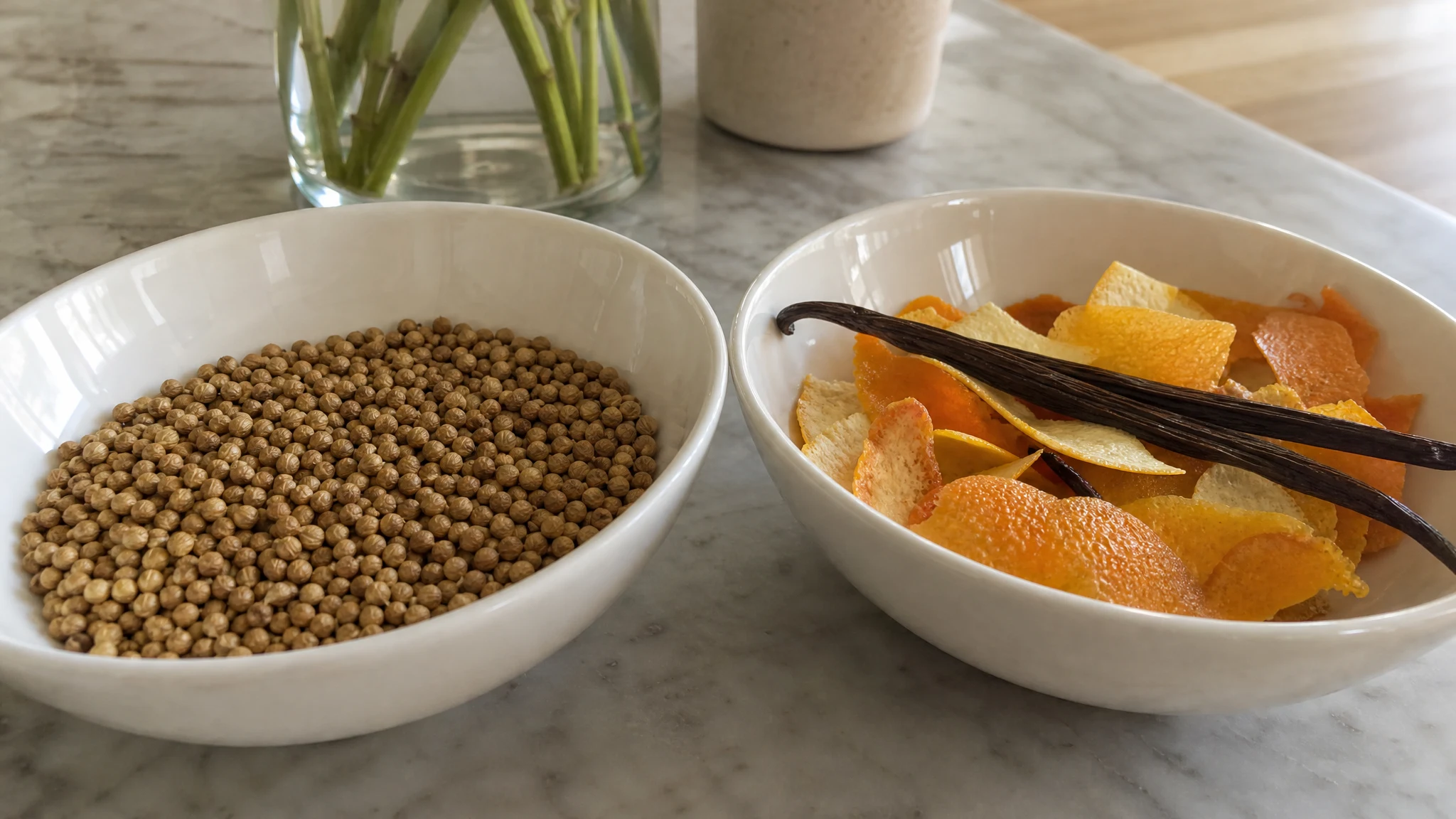
Coriander Essential Oil vs Fragrance Oil: Which to Use?
Both say coriander on the label, but one is a plant oil with documented ranges and the other a recipe. How to choose between them.
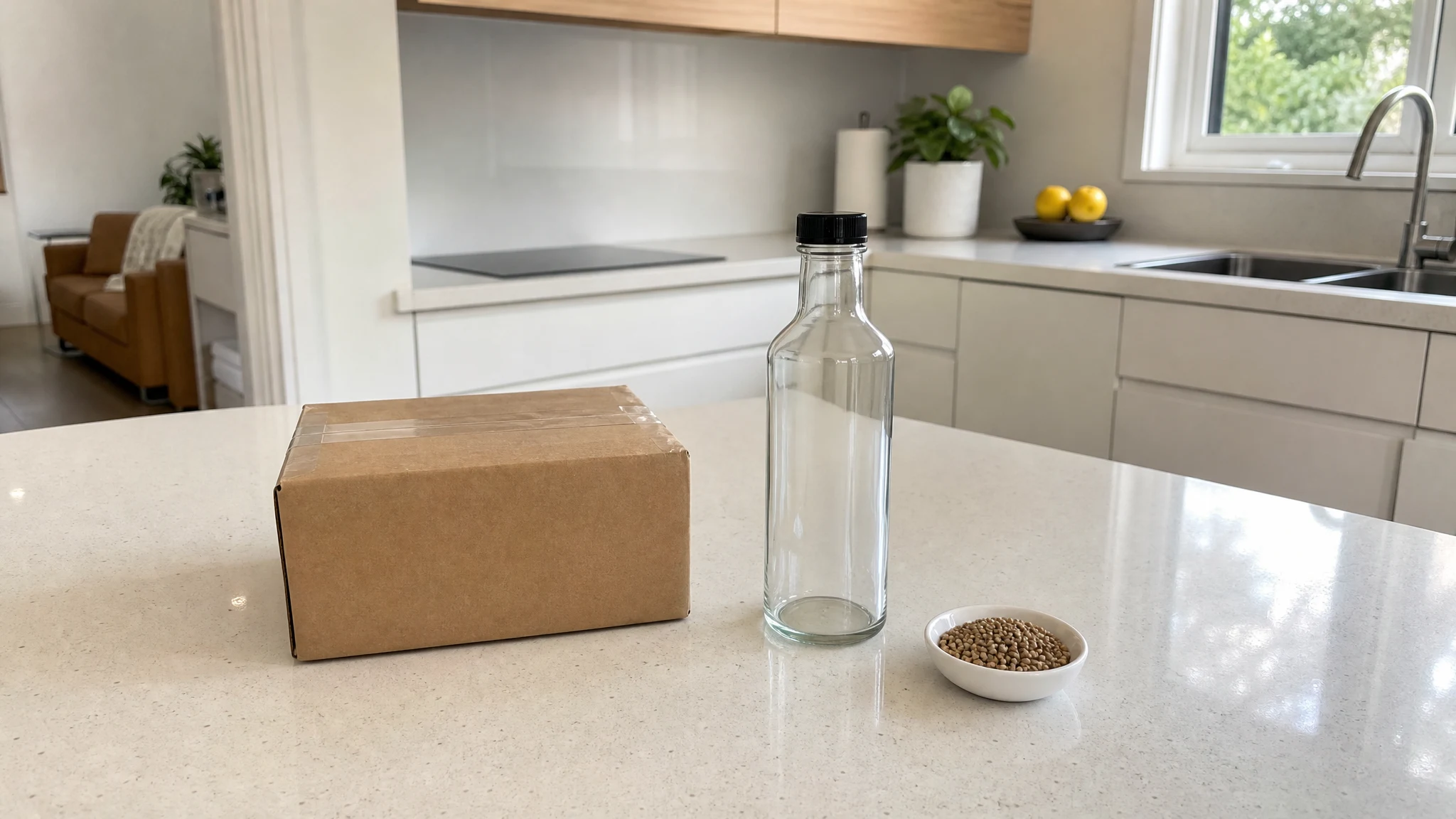
Choosing a Coriander Essential Oil: What to Ask First
Seed or leaf, certificate or GC/MS report, half ounce or bulk: a plain-English guide to choosing a coriander oil that suits what you want to make.
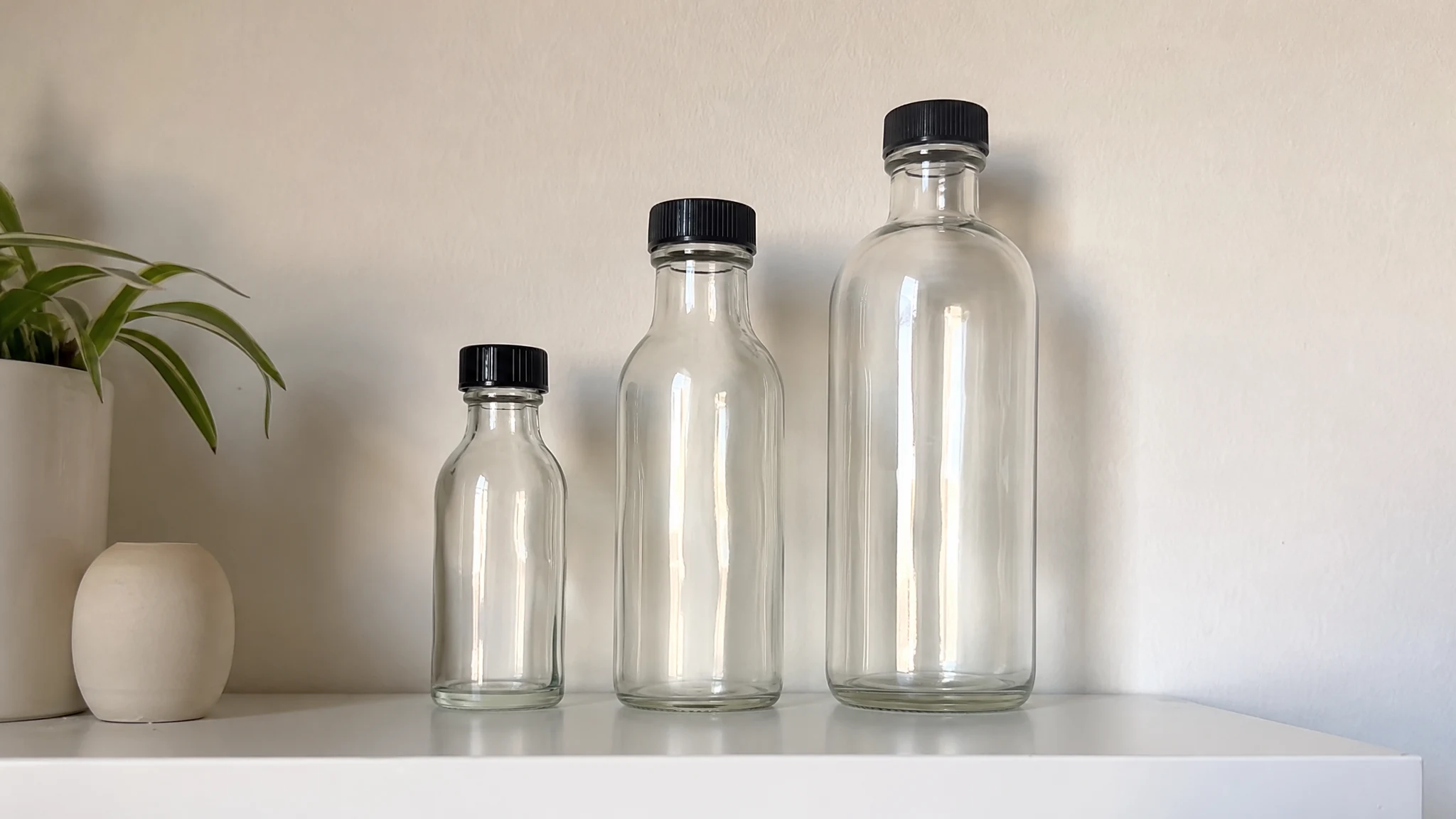
Coriander Oil Sizes: Which Bottle Should You Start With?
A half-ounce bottle goes further than most first-time buyers expect. Here is how to match a size to your roller, body oil or production plans.
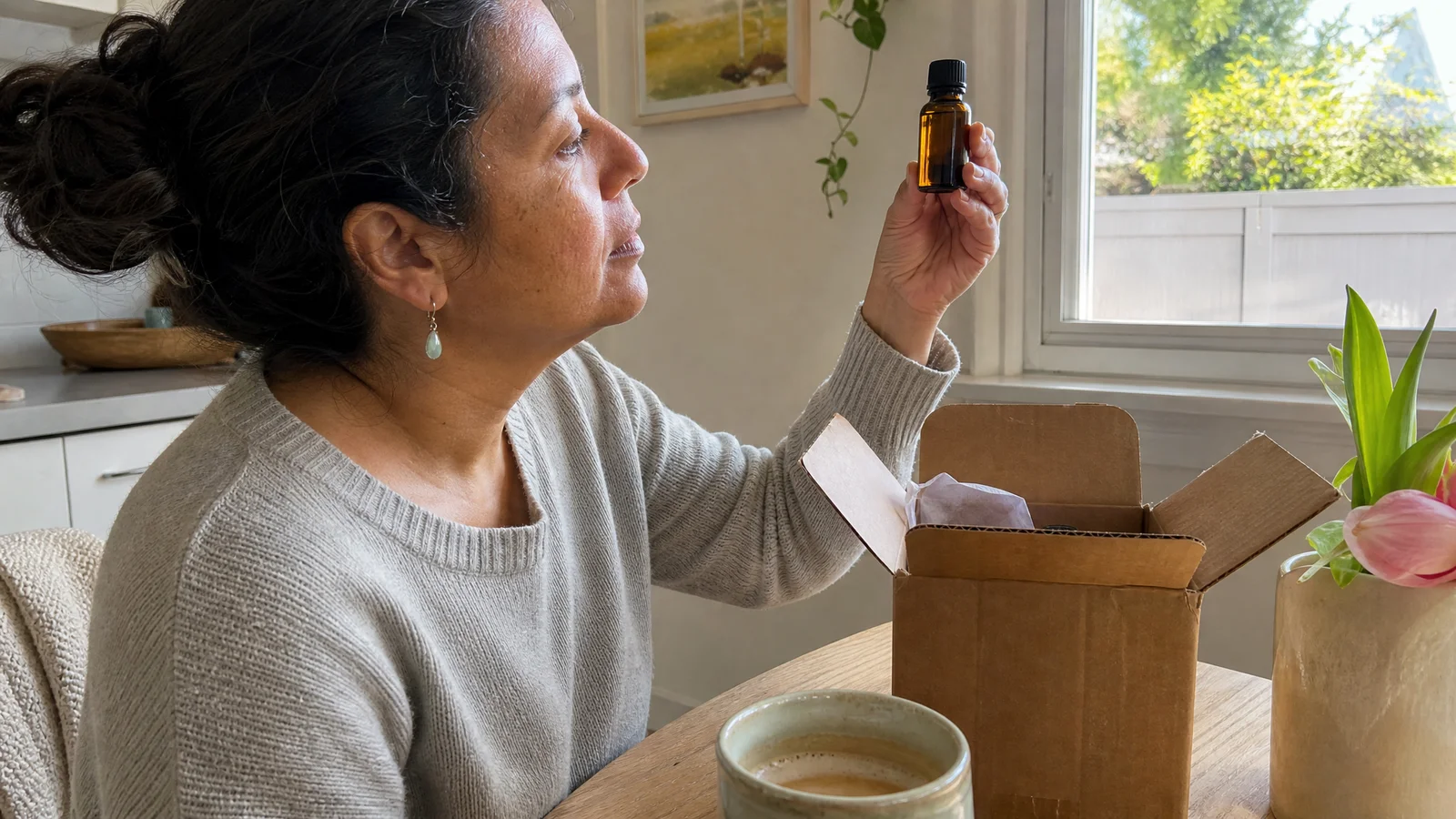
Is Your Coriander Oil the Real Thing? What to Check
Smell, density and chromatography each catch different problems in a coriander oil. Here is which check does what, and when to ask for more.
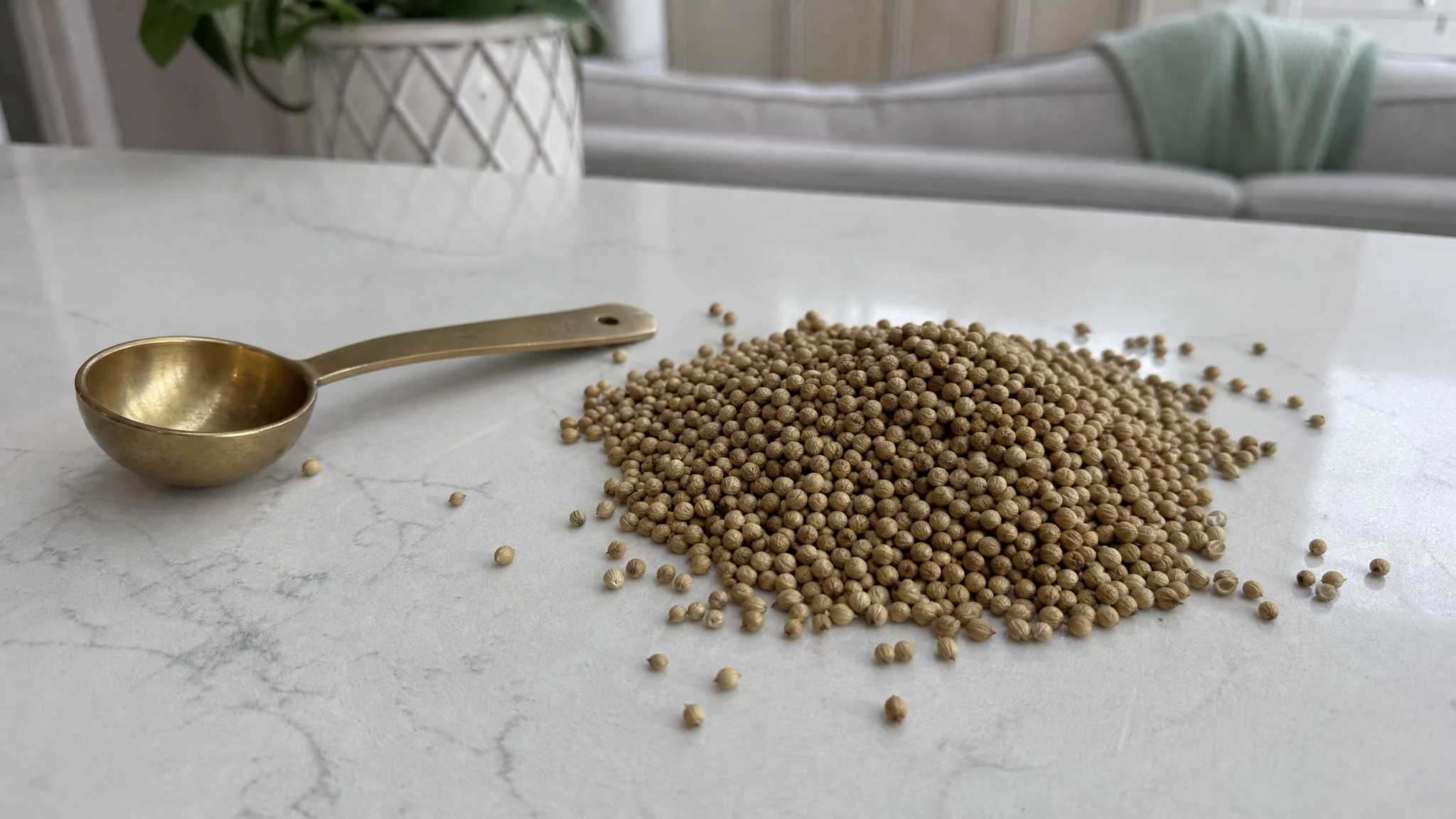
Why Is Coriander Oil Expensive? What Goes Into the Price
Seed gives up only a fraction of a percent of oil. Here is what goes into the cost of coriander oil and how to compare two quotes fairly.
Coriander Oil Uses: Diffuser, Skin or Perfume Checks
Diffuser, body oil or fragrance: each use of coriander seed oil asks for different checks. Dilution ranges, labelling and the paperwork worth asking for.
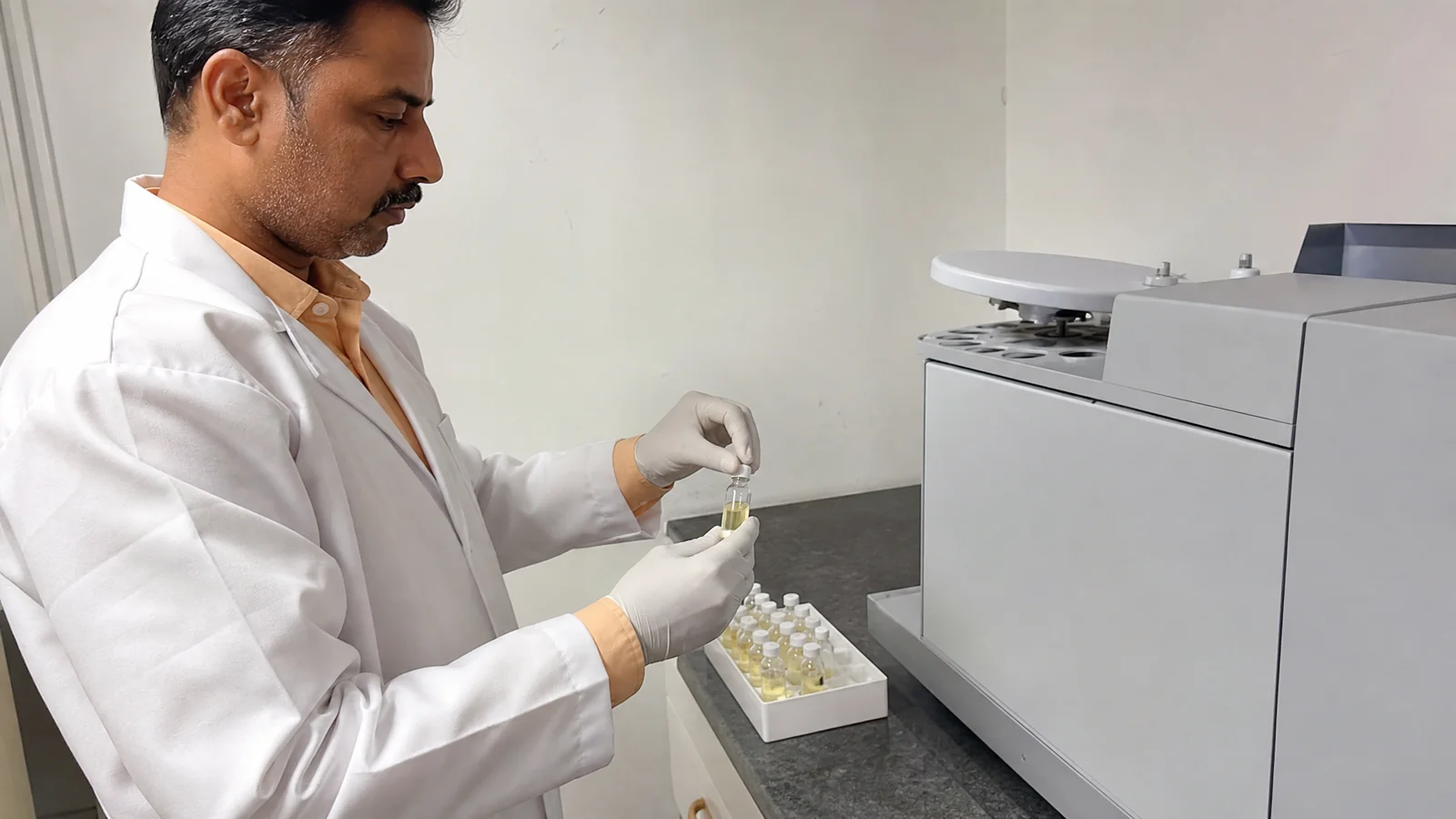
How to Read a Coriander Oil GC/MS Report
One coriander oil read 71.7% linalool by one detector and 58.72% by another. Learn what to check on a GC/MS report before you rely on it.
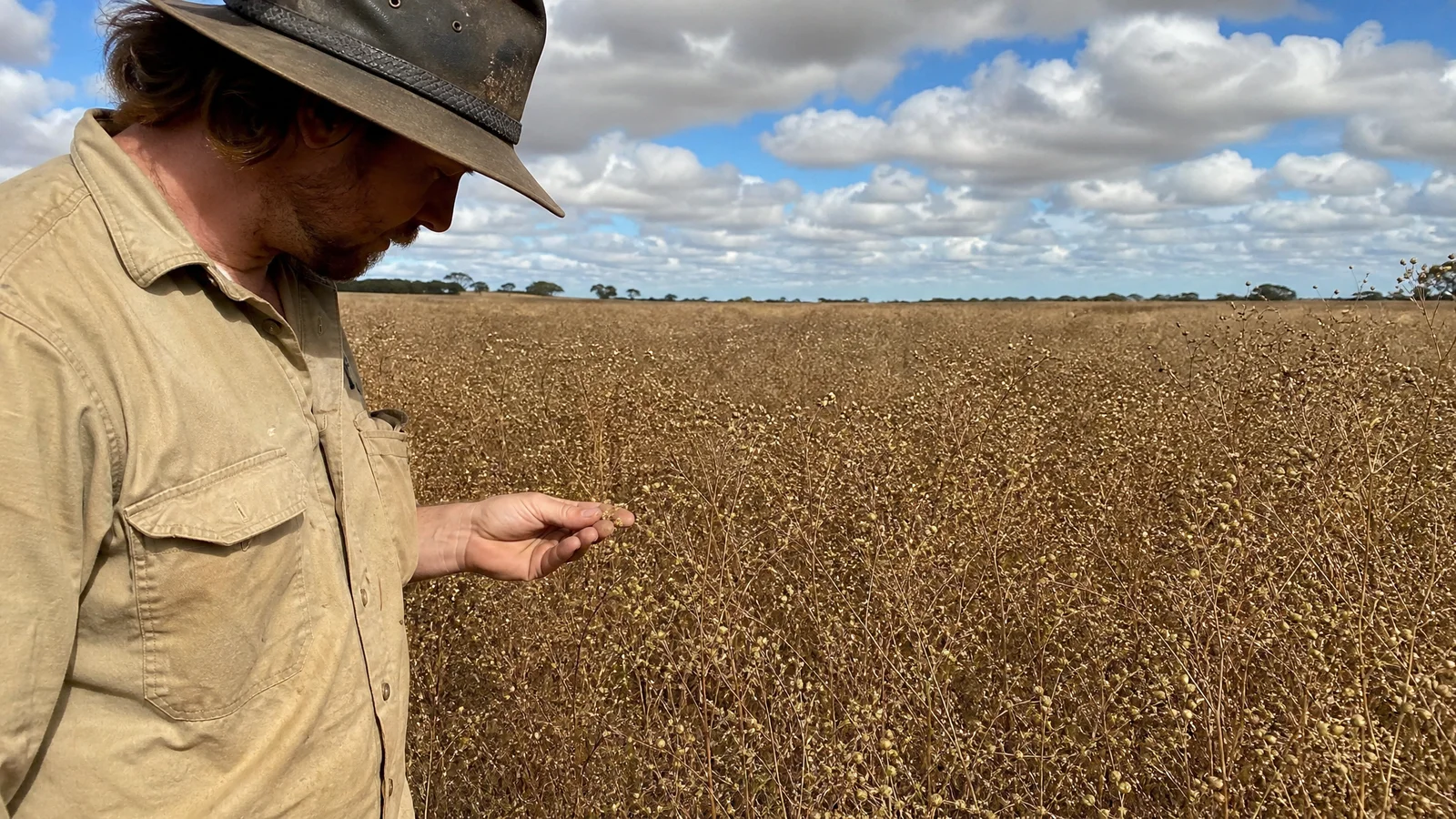
Where Does Coriander Oil Come From? 4 Questions to Ask
A country name is a starting point, not a grade. These four questions about plant part, harvest year, lot and method tell you much more.
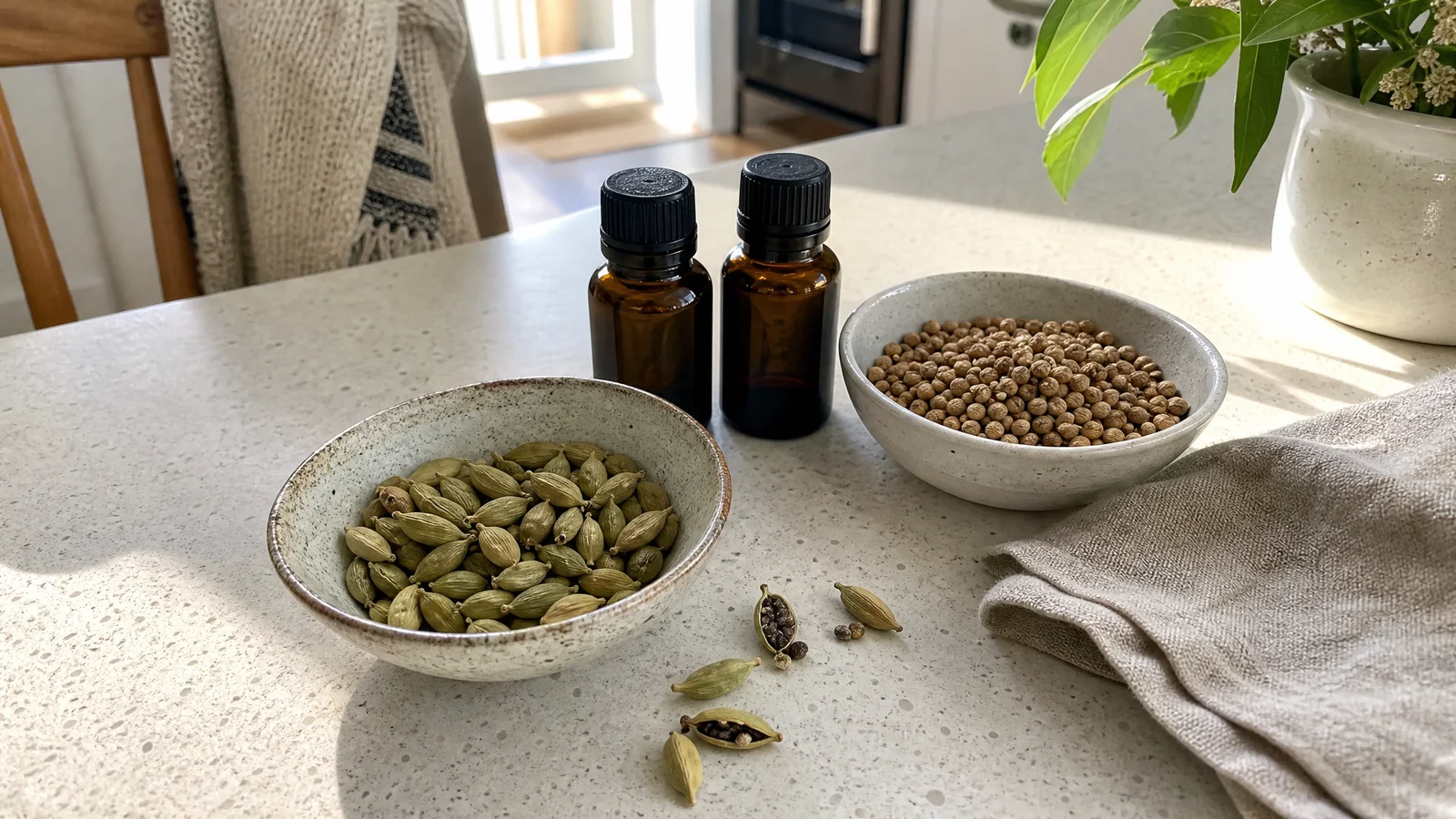
Coriander vs Cardamom Oil: How the Spices Differ
Both are called warm spice oils, but one is built on linalool and the other on an ester and cineole. Which one does your blend need?
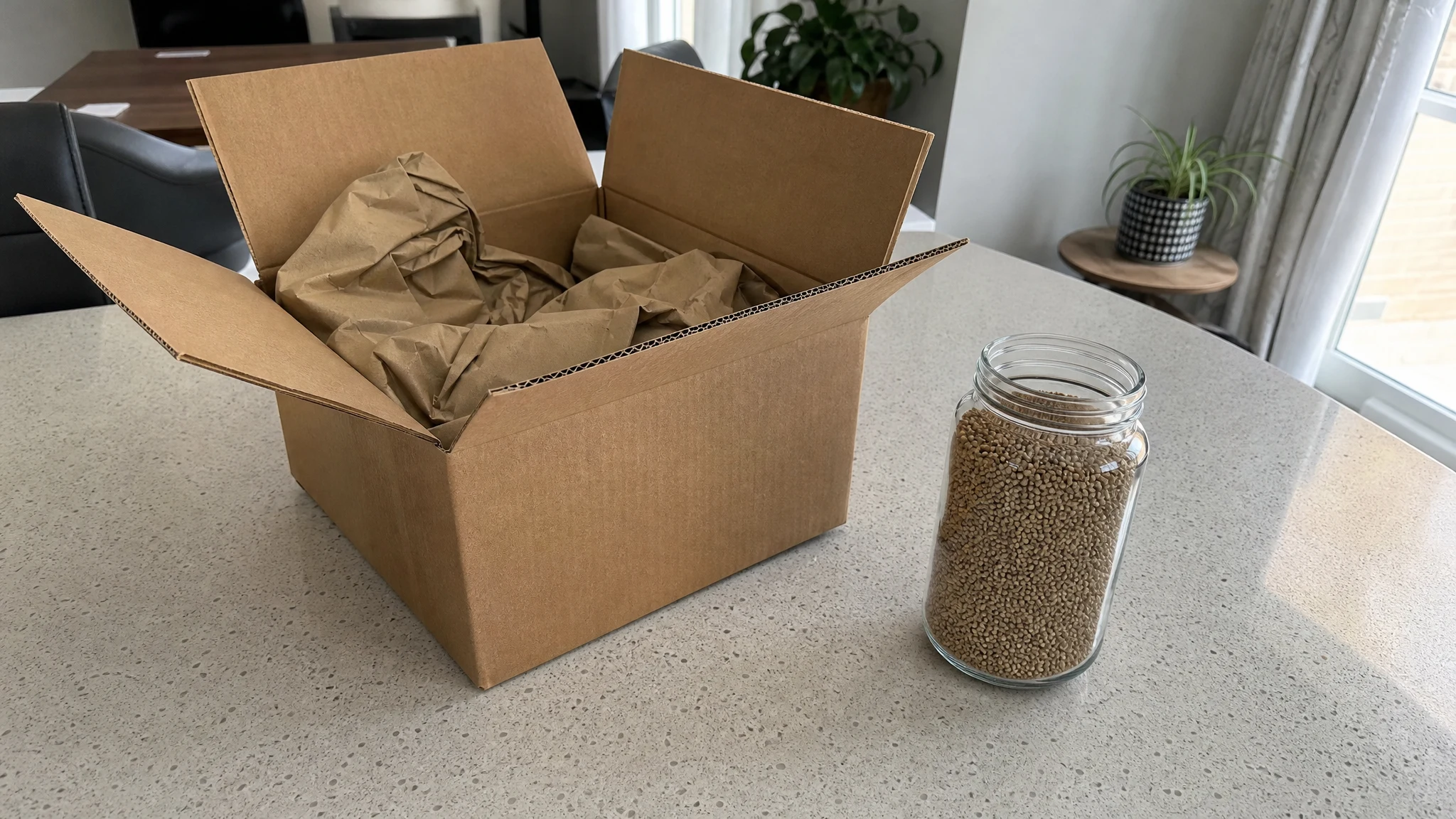
Buying Coriander Oil Online: A First-Order Checklist
Treat a first order as a way to gather information. What to ask for before checkout, how to size the bottle, and what to check on arrival.