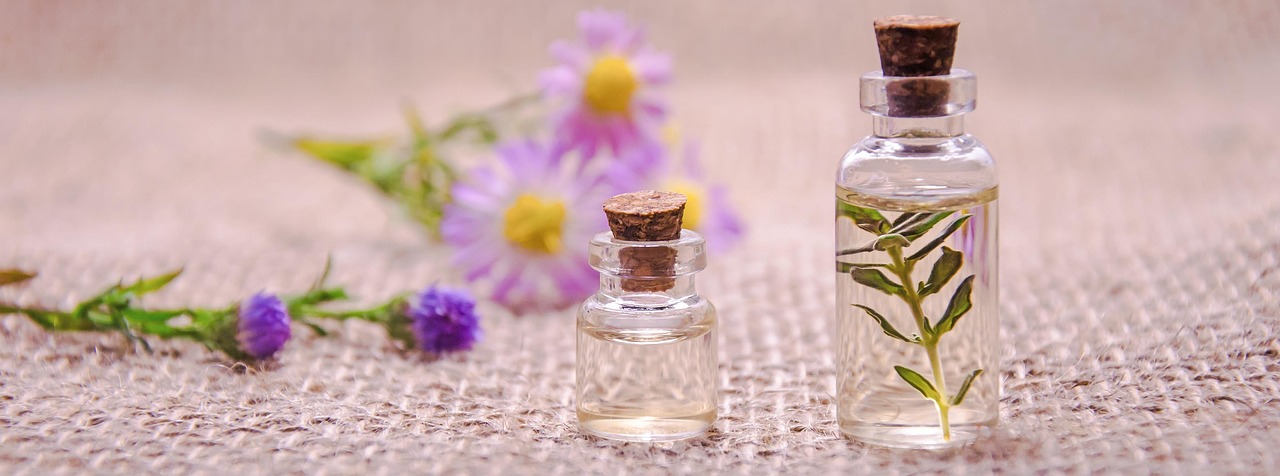
How Coriander Essential Oil Is Made: From Ripe Seed to Steam Still
Crack open a bottle of good coriander essential oil and something quietly surprising happens. Instead of the green, soapy scent of fresh coriander leaf, you get warmth. Sweetness. A faint woody roundness with just a whisper of citrus underneath. That transformation, from humble dried seed to aromatic concentrate, is the story of coriander seed oil distillation, and it is a more deliberate process than most people realize.
This guide walks through every stage, from choosing the right botanical material to understanding what actually happens inside a steam still. If you have ever wondered how coriander oil is made, or why quality varies so dramatically from one supplier to the next, the answers lie in the details below.
For a broader introduction to the oil itself, including its scent profile, primary constituents, and common uses, see our complete guide to coriander seed essential oil.
Understanding the Source: Why the Seed, Not the Leaf
Coriander (Coriandrum sativum) is a single plant that yields two very different aromatic materials. The leaves and stems, commonly called cilantro in culinary contexts, contain aldehyde-heavy volatile compounds that produce a sharp, divisive scent. The ripe, dried seeds are chemically distinct. They are dominated by linalool, a naturally occurring terpene alcohol also found in lavender and bergamot, which accounts for the oil's softer, warmer character.
This matters practically. If you attempt coriander oil extraction using green, unripe seeds or fresh plant material, you will not produce the characteristic oil that perfumers and cosmetic formulators seek. Ripeness is not a suggestion; it is the foundation of quality.
What You Need Before You Start
Commercial distillation happens at industrial scale, but small-batch and artisan producers follow the same core steps with scaled-down equipment. Here is a list of what the process requires at any level.
Raw Materials
- Dried, fully ripe coriander seeds (Coriandrum sativum), sourced from reputable agricultural suppliers
- Clean, preferably distilled or deionized water
Equipment
- A steam distillation apparatus: this includes a distillation flask or still pot, a steam inlet (or a separate steam generator), a condenser column, and a collection vessel called a Florentine flask or separator
- A seed mill or crusher capable of lightly cracking seeds without pulverizing them
- A scale for measuring seed-to-water ratios
- Amber glass storage bottles with airtight caps
- A thermometer calibrated for the 95 to 105 degrees Celsius range
- pH strips or a basic water testing kit (useful for assessing hydrosol quality)
Note: Cold-press extraction is sometimes listed as an alternative for seed oils. For coriander specifically, steam distillation is the industry standard. Cold pressing is better suited to fixed carrier oils (like coriander seed carrier oil, which is a different product entirely) rather than to volatile essential oil capture.
Step-by-Step: How Coriander Oil Is Made

Step 1: Source and Inspect the Seeds
Good coriander oil begins in the field. The primary growing regions for distillation-grade coriander seed include Russia, India, Morocco, and Eastern Europe, with Russian-origin seed historically associated with the highest linalool content. Request a certificate of analysis (COA) from your supplier before purchasing in quantity.
Inspect seeds visually. They should be uniformly tan to light brown, round, and dry with no signs of mold, discoloration, or pest damage. Smell a small handful. Ripe, quality coriander seeds have a mild, faintly sweet, slightly spiced aroma even before processing. A musty or sharp odor signals a problem with storage or harvest timing.
To learn more about the plant's history across cultures and trade routes, our article on the history of coriander from ancient spice routes to modern use offers useful context.
Step 2: Lightly Crack the Seeds
This step separates attentive producers from careless ones. Coriander seeds have a hard outer shell. Passing them through a mill set to a coarse, cracking setting breaks open the shell and exposes the oil-bearing internal tissue to steam. This dramatically improves extraction efficiency.
The key word is lightly. Over-milling the seeds into a fine powder creates problems: the material can compact inside the still, restrict steam flow, and produce a muddier, less refined oil. Aim for cracked halves and quarters, not flour. A roller mill or a coarsely set hammer mill works well at commercial scale. At artisan scale, a heavy-duty mortar and pestle or a burr grinder set to its coarsest setting can work for small batches.
Tip: Mill seeds as close to distillation time as possible. Once cracked, the volatile compounds begin to dissipate. Milling a week in advance and leaving seeds exposed to air wastes yield.
Step 3: Load the Still
Pack the cracked seeds into the distillation chamber, also called the still pot or retort. Do not compress the material tightly. Steam needs to move through the seed bed evenly. Packing too densely creates channels where steam takes the path of least resistance, leaving large portions of the seed mass under-extracted.
Many professional distillers use a perforated internal basket or screen that keeps the plant material elevated above the water level. In a direct steam injection setup, steam enters from below and passes upward through the seed bed. In a simpler water distillation setup (less common for seeds at this scale), seeds sit in or near the water. Steam distillation with separated plant material and water is preferred for coriander seed oil distillation because it gives greater control over temperature and helps preserve delicate aromatic compounds.
Step 4: Apply Steam and Monitor Temperature
Once sealed, steam is introduced. As steam passes through the cracked seed material, it picks up volatile aromatic molecules. Those molecules travel with the steam into the condenser column, where cooling water surrounds the vapor tube. The vapor cools and returns to liquid, carrying the aromatic compounds with it.
Temperature consistency matters here. Steam that is too hot can alter delicate compounds. Most coriander distillations run at or just above 100 degrees Celsius at the still head, with carefully managed pressure. Experienced distillers track the temperature at multiple points in the system and adjust accordingly.
Distillation time for coriander seed oil typically ranges from 2 to 4 hours depending on batch size, seed quality, and equipment design. Cutting the run too short reduces yield. Running too long can pull in heavier, less desirable compounds from the seed material.
Step 5: Collect and Separate the Oil
The condensed liquid flows into the Florentine flask. Here, a simple but elegant principle takes over: coriander essential oil is less dense than water, so it floats. The oil layer rises to the top; the water layer (called the hydrosol or floral water) settles below. A drain tap at the bottom of the Florentine flask allows the distiller to draw off the hydrosol while the oil remains in the vessel.
Coriander hydrosol is a gentle aromatic byproduct with its own cosmetic applications. Reputable producers collect and offer it separately rather than discarding it.
Step 6: Decant, Filter, and Assess
Freshly distilled coriander oil is transferred carefully to a clean glass vessel. Some producers run it through a fine filter to remove any trace particulate that may have carried through the condenser. The oil is then assessed: color, clarity, and aroma are noted. Quality coriander seed essential oil is colorless to very pale yellow, clear, and free of cloudiness or sediment.
Gas chromatography and mass spectrometry (GC/MS) testing is the gold standard for verifying composition. A trustworthy supplier will share this data openly. The primary constituent, linalool, should typically represent 60 to 80 percent of the oil's composition in a well-sourced, properly distilled product.
Step 7: Store the Oil Correctly
Essential oils are sensitive to light, heat, and oxygen. Transfer finished coriander oil into amber or cobalt glass bottles with tight-fitting caps. Store in a cool, dark location. Properly stored coriander essential oil maintains its aromatic character for two to three years from distillation date, though some producers note that linalool-rich oils can actually mellow pleasantly with short-term aging.
Label every bottle with the distillation date, botanical name, country of origin, and lot number. This is basic traceability practice, and any producer unwilling to provide it is worth approaching with caution.
Common Mistakes and How to Avoid Them
- Using unripe or green seeds: The chemistry simply is not right. Wait for full ripeness, confirmed by color and aroma.
- Over-milling the seed: Fine powder restricts steam flow and compromises yield and quality. Keep the grind coarse.
- Packing the still too tightly: Uneven steam distribution leads to uneven extraction. Load loosely and use a basket or screen if available.
- Skipping GC/MS testing: Coriander oil is sometimes adulterated with synthetic linalool. Independent testing is the only reliable way to confirm purity.
- Storing in clear glass: UV exposure degrades aromatic compounds. Always use dark glass.
- Cutting distillation short to save time: A rushed run often produces lower yield and may miss the fuller aromatic profile that comes with a complete extraction cycle.
What to Expect from a Well-Made Coriander Oil
A properly distilled coriander seed oil has a scent that is difficult to pin down in the best possible way. It is warm without being heavy. Sweet without being floral. There is a soft woodiness and a brightness that makes it blend easily with citrus oils, spice oils, and florals alike. Perfumers prize it for this versatility.
In cosmetic applications, formulators appreciate its lighter skin feel and compatibility with a wide range of carrier oils and bases. People who work with it regularly often report that it has a grounding, pleasant quality in diffusion blends suited to calm evening routines or focused work sessions.
Before incorporating any essential oil into skincare or personal care products, always follow proper dilution guidelines and conduct a patch test. For guidance specific to safety considerations and dilution ratios for this oil, see our article on whether coriander essential oil is phototoxic, plus dilution and safety guidance. As with any aromatic ingredient, consult a qualified healthcare provider if you have specific concerns before use.
A Process Worth Understanding
Steam distillation is centuries old, but the details still determine everything about the oil you end up with. Seed maturity, milling consistency, still design, extraction time, storage conditions: each variable shapes the final product. When you understand how coriander oil is made at this level of detail, you read supplier claims differently. You ask better questions. And you are better positioned to recognize a genuinely well-crafted oil when you find one.
The warmth in the bottle did not arrive by accident. It was coaxed out, one careful step at a time.