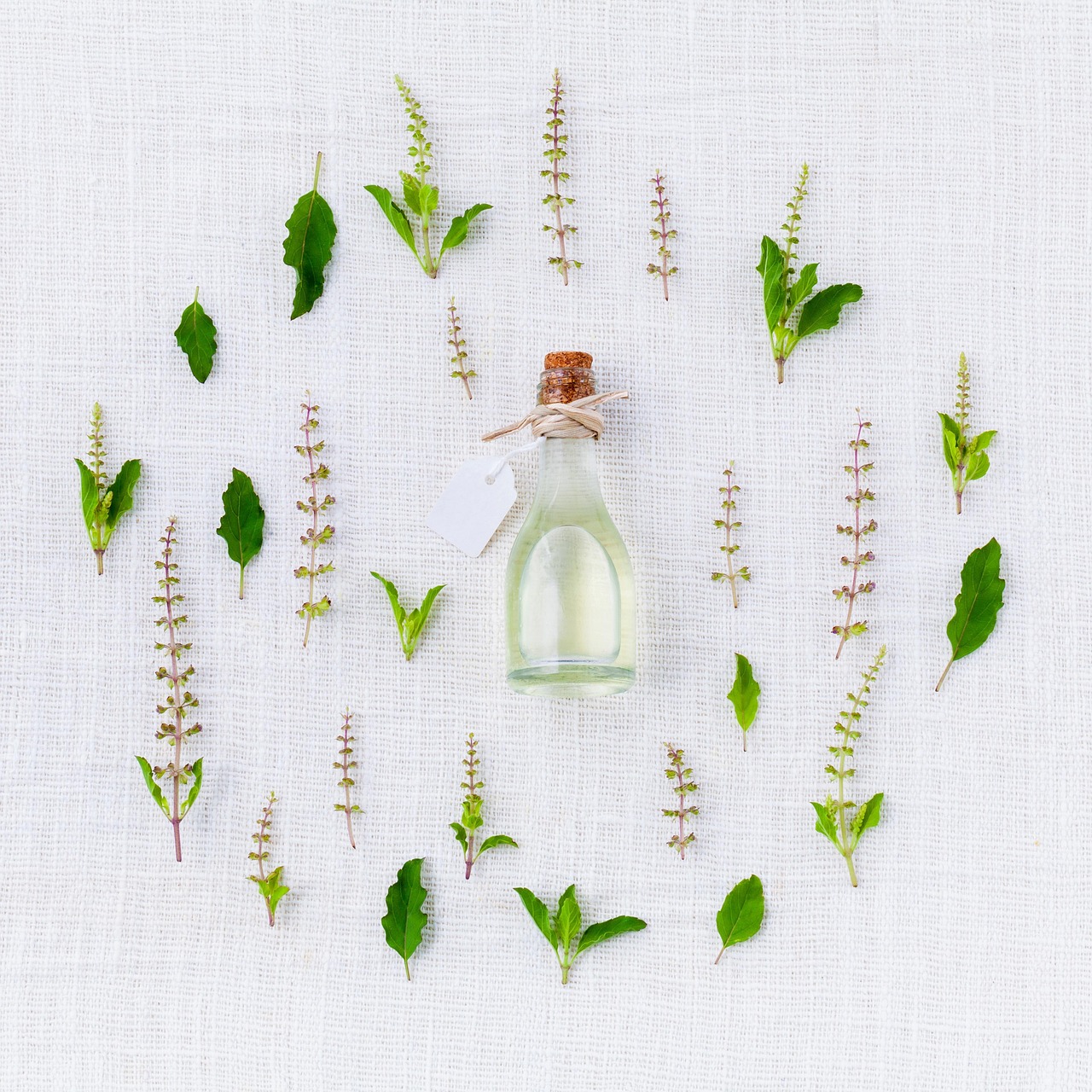
What Is Coriander Seed Essential Oil? A Complete Guide
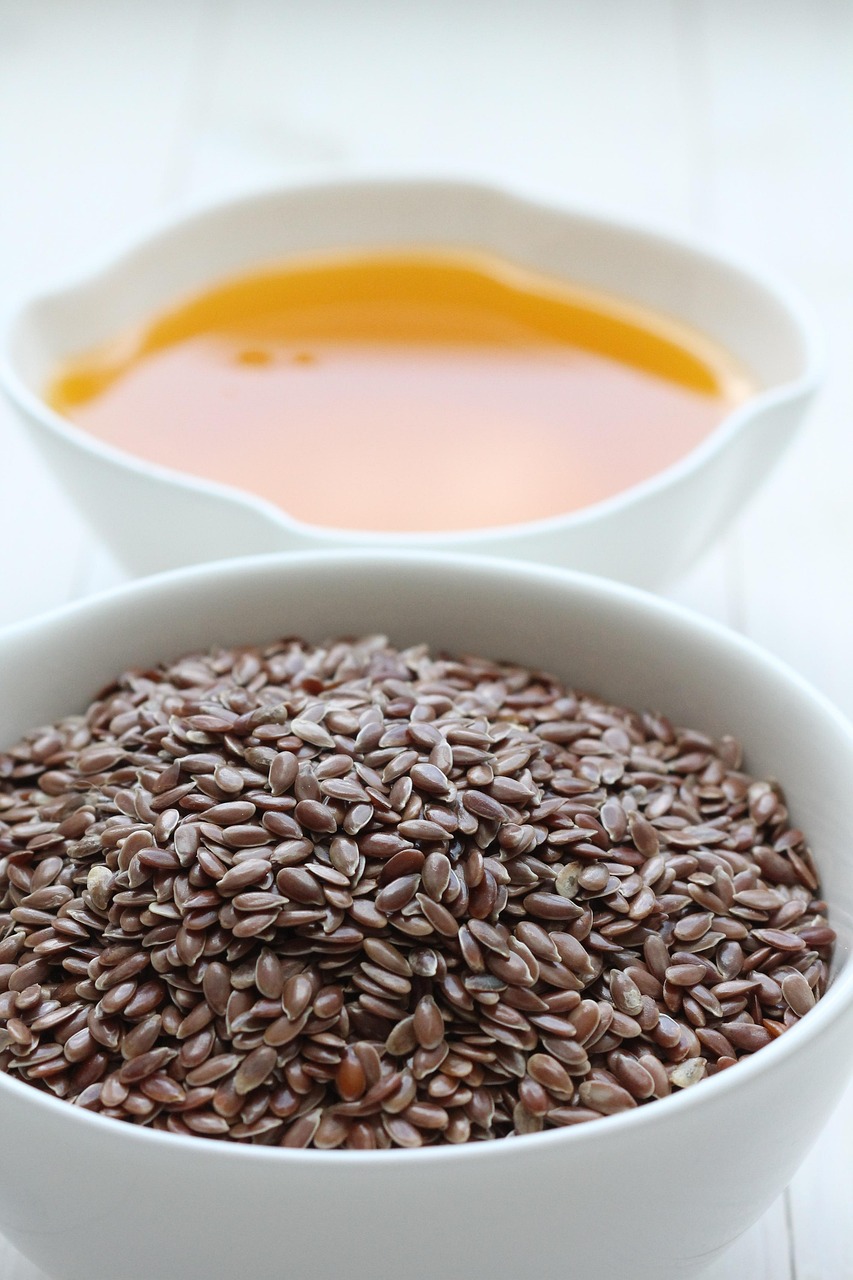
What Is Coriander Seed Essential Oil?
Coriander seed essential oil is an aromatic extract obtained from the dried, fully ripe seeds of Coriandrum sativum L., an annual herb native to the Mediterranean region and parts of Western Asia. The oil is produced almost exclusively by steam distillation, a process that draws the volatile aromatic compounds out of the seed's oil glands and condenses them into the concentrated liquid we call an essential oil.
The plant itself is one of the oldest cultivated spice herbs on record. Its seeds have been found in archaeological sites spanning Egypt, Israel, and the Indian subcontinent, and written references appear in Sanskrit texts, the Old Testament, and the Ebers Papyrus, one of the oldest surviving Egyptian medical manuscripts. Today, major coriander seed oil producers are located in Russia, Eastern Europe (particularly Bulgaria and Hungary), India, and parts of North Africa, with each growing region contributing subtle differences in the final aroma character.
It is important to understand from the outset that coriander seed essential oil and cilantro leaf essential oil are two very different products, even though they come from the same botanical species. The seed and the leaf accumulate entirely different suites of volatile compounds during the plant's life cycle. If you have ever been surprised by how unlike coriander seeds smell compared to fresh cilantro leaves, that contrast is exactly what the two oils capture. We explore this distinction in detail in our guide to coriander seed vs. cilantro leaf: why the two oils smell so different.
Botanical Identity at a Glance
| Detail | Information |
|---|---|
| Botanical name | Coriandrum sativum L. |
| Plant family | Apiaceae (formerly Umbelliferae) |
| Part used | Dried, ripe seeds (technically split fruits called schizocarps) |
| Extraction method | Steam distillation |
| Oil appearance | Pale yellow to almost colourless |
| Viscosity | Thin, mobile |
| Primary growing regions | Russia, Bulgaria, Hungary, India, Morocco |
| Dominant constituent | Linalool (typically 60 to 80%) |
Why "Seed" Matters in the Name
You will frequently see this oil listed simply as "coriander oil" or "coriander essential oil" on retail labels, and those names are perfectly acceptable shorthand. However, the word "seed" in the full name does meaningful work: it distinguishes the product from any extract that might be made from the leaves, roots, or stems of the same plant. When a blender or formulator asks for coriander oil, they almost always mean the seed distillate. That is the commercially dominant form, the one with the warm, rounded, lightly spiced scent that perfumers have valued for centuries.
From a regulatory and cosmetic ingredient labeling perspective, the INCI (International Nomenclature of Cosmetic Ingredients) name for this oil is Coriandrum sativum (Coriander) Seed Oil. You may see this declaration on the ingredient lists of finished cosmetic products such as body lotions, facial serums, and fragrance formulations.
How Coriander Seed Essential Oil Is Made
The production of a quality coriander seed essential oil begins well before the distillation vessel is ever loaded. Every decision made in the field, from variety selection to harvest timing, shapes the chemistry of the finished oil. Understanding this process helps you appreciate why two bottles labeled "coriander essential oil" can smell noticeably different from each other.
Harvest Timing Is Everything
Coriander plants are harvested when the seeds have reached full ripeness. This sounds straightforward, but the timing window is narrow and critical. Seeds harvested too early are still high in aldehydes, which give the oil an unpleasant, soapy, or even metallic character. Seeds that are fully ripe and properly dried shift their chemistry toward the linalool-dominant profile that the perfume and cosmetic industries prize. A single week's difference in harvest timing can measurably change the oil's constituent ratios.
After harvest, the seeds are dried. Drying further reduces moisture content and concentrates the aromatic compounds. The seeds are then either distilled close to the growing region or transported to specialist distillers.
Steam Distillation: The Core Process
Steam distillation is the standard extraction method for coriander seed oil, and the process is elegantly simple in concept. The dried seeds are loaded into a still, and steam is passed through them. The heat causes the oil glands in the seed to release their volatile aromatic molecules. Those molecules travel with the steam through a condensation coil, where the mixture cools and the water and oil separate. The lighter oil is collected from the top of the separator vessel.
For a detailed, step-by-step look at this process, our article on how coriander essential oil is made: from ripe seed to steam distillation walks through every stage from field to finished bottle.
The yield of essential oil from coriander seeds is relatively modest, typically somewhere between 0.3 and 1.0 percent by weight of the dried seed, depending on the variety and growing conditions. This is one reason that genuinely good coriander seed oil commands a fair price per milliliter: real volume of raw material is required to produce a small amount of oil.
Regional Variation and Its Effect on Aroma
Coriander seed oil produced in Russia and Eastern Europe tends to be considered the benchmark quality for perfumery applications. Russian coriander oil is often notable for its high linalool content and a clean, almost floral-spice character. Indian coriander seed oil, sometimes called "Rajasthan" coriander oil after one of its major producing states, can have a somewhat earthier, spicier profile. Moroccan origins may bring a subtly greener edge to the top notes.
These regional differences are influenced by soil composition, local climate, cultivar genetics, and distillation practices. Neither profile is inherently superior. The choice between them comes down to the application and the desired scent outcome in a blend.
The Scent Profile: What Does Coriander Seed Essential Oil Actually Smell Like?
Describing a scent in words is always an approximation, but it is a worthwhile exercise. Coriander seed essential oil occupies a fascinating aromatic territory that sits at the intersection of spice, citrus, and soft florals. Most people who encounter it for the first time are struck by how pleasant and approachable it is, particularly compared to what they might have expected from a "spice oil."
The Layered Scent Experience
In perfumery terms, coriander seed oil functions primarily as a heart note, though it also contributes to the top-note opening of a blend. On first impression, there is a bright, slightly citrusy lift, followed quickly by the characteristic warm spice of the crushed seed. As it dries down, a gentle sweetness emerges, sometimes described as faintly woody or almost reminiscent of dried flowers.
The word that comes up most consistently among perfumers and natural fragrance blenders is "warm." Coriander seed oil has a quality of gentle heat without the sharpness of black pepper or the intensity of clove. It rounds out a composition rather than dominating it, which is a large part of its value in blending work.
For a deeper breakdown of every layer of this scent, from the volatile top notes through to the dry-down, see our detailed exploration of what coriander oil smells like: a full scent profile.
How It Compares to Other Spice Oils
Coriander seed oil is notably softer than most other spice-category oils. Clove bud oil is intensely sweet and almost medicinal in its impact. Black pepper oil has a sharp, biting, volatile opening. Cardamom oil is cool and almost minty in its freshness. Coriander seed oil, by contrast, is gentle enough to use in relatively higher concentrations in a blend without overpowering other notes. This makes it a popular choice for blenders who want spice-family warmth without aggression.
Common Blending Partners
- Citrus oils: Bergamot, sweet orange, and grapefruit play beautifully with coriander's spicy-sweet warmth. The citrus brightens; the coriander grounds.
- Other spice oils: Cardamom, ginger, and black pepper create layered, complex spice accords.
- Floral oils: Geranium and rose absolute share some of the linalool character present in coriander seed oil, creating a harmonious connection between the two.
- Woody and resinous oils: Cedarwood, sandalwood, frankincense, and vetiver provide base note anchoring that allows coriander's lighter facets to float.
- Herbal oils: Clary sage, lavender, and petitgrain pair well for more nuanced, complex aromatic compositions.
Key Constituents and What They Mean for Your Routine
Essential oils are not simple substances. A single drop of coriander seed oil contains dozens of distinct volatile molecules, each contributing something to the overall aroma and behavior of the oil. Understanding the major constituents helps you make better decisions about how and where to use this oil, and it helps you evaluate quality when reading a gas chromatography (GC) report from a supplier.
Linalool: The Star of the Show
Linalool is the primary constituent of coriander seed essential oil, typically making up between 60 and 80 percent of the total composition in a high-quality distillate. It is a naturally occurring monoterpene alcohol found across a wide range of botanicals, including lavender, rosewood, and many citrus flowers, which is one reason coriander seed oil can sit harmoniously alongside such varied aromatic partners.
Linalool is widely used in fragrance and cosmetic formulations. It contributes the floral-spice softness that is so characteristic of coriander seed oil's scent. In cosmetic ingredient safety assessments, linalool has a well-established profile as a skin-compatible fragrance ingredient at appropriate concentrations, though it is worth noting that it is also listed as a potential contact sensitizer in the EU Cosmetics Regulation when present above certain thresholds in leave-on and rinse-off products. This is relevant to formulators preparing cosmetic products for market, and we discuss it further in the safety section below.
To understand exactly what linalool does in coriander seed oil and why its percentage matters so much to quality assessment, our in-depth article on linalool in coriander essential oil: the molecule behind the scent is a thorough starting point.
Secondary Constituents Worth Knowing
| Constituent | Typical Range | Character Contribution |
|---|---|---|
| Linalool | 60 to 80% | Warm, floral, spice-sweet core note |
| alpha-Pinene | 2 to 8% | Fresh, piney, slightly resinous lift |
| gamma-Terpinene | 1 to 5% | Herbal, slightly citrus-green character |
| Camphor | 0.5 to 4% | Cool, sharp edge (undesirable in excess) |
| Geraniol | 0.5 to 3% | Soft rose-like floral sweetness |
| Geranyl acetate | 0.5 to 2% | Fruity, floral, slightly rosy-green |
| p-Cymene | 0.5 to 3% | Dry, slightly woody-spicy undertone |
| Limonene | 1 to 4% | Bright citrus freshness in the opening |
The proportion of camphor in a coriander seed oil is worth paying attention to. A small amount is normal and contributes a subtle sharpness that keeps the oil from becoming cloying. A high camphor content, however, is generally a sign of lower quality: either the seeds were harvested too early, or the oil is from a lower-grade cultivar. When evaluating a supplier's GC report, camphor percentages above around 4 to 5 percent are a flag worth questioning.
How Constituent Ratios Shift with Origin and Quality
The constituent profile of coriander seed oil is not fixed. It shifts based on botanical variety, climate, harvest timing, and distillation conditions. Russian-origin oils are often praised for their particularly high linalool content and low camphor. Some Indian-origin oils have slightly different ratios that produce a more complex, spicier dry-down. Neither is wrong for every application, but if you are blending for a refined, clean-smelling personal fragrance, a high-linalool, low-camphor oil from Eastern Europe is generally the preferred choice.
How People Use Coriander Seed Essential Oil
Coriander seed essential oil has two primary domains of application: aromatic use (diffusion, personal fragrance, room scenting) and cosmetic use (skin-care formulation, hair care, massage blends). It is worth being clear that the focus here is entirely on cosmetic and aromatic applications. This is not a supplement, and it is not consumed. Any internal use is outside the scope of this guide and outside the context of standard essential oil practice for consumers.
Aromatic Applications
Diffusion is one of the most popular ways to experience coriander seed oil. When diffused, the oil fills a room with a warm, subtly spiced scent that many people find grounding and pleasant during evening wind-down rituals. It sits well in blends designed for cosy autumn and winter atmospheres, where it pairs with other warming oils such as sweet orange, clove (used sparingly), cinnamon bark (also used sparingly), and frankincense.
In perfumery, coriander seed oil is a valued heart note and spice-accord builder. It appears in both fine fragrance and natural perfume compositions, contributing warmth and a certain Old World complexity. Perfumers sometimes use it as a bridge between citrus top notes and woody base notes, allowing transitions between accords to feel more seamless.
For candle and home fragrance blending, coriander seed oil contributes well to spiced or oriental-style scent profiles. Its volatility means it functions best in combination with lower-volatility base notes that extend the fragrance's presence over time.
Cosmetic Skin-Care Applications
In cosmetic formulation, coriander seed essential oil is used to add fragrance and aromatic character to a wide range of leave-on and rinse-off products. You will find it listed in facial oils, body lotions, botanical serums, massage oils, and natural soap formulations. Its relatively light scent and compatibility with a broad range of carrier oils and butters make it a versatile cosmetic ingredient.
Some formulators and DIY enthusiasts incorporate coriander seed oil into massage oil blends for the pleasant warming sensation and aroma it brings to the experience. A standard dilution for adult massage use is 1 to 2 percent essential oil in a suitable carrier oil such as sweet almond, jojoba, or apricot kernel oil.
People with an interest in natural hair care sometimes incorporate coriander seed oil into scalp massage blends or conditioning oil treatments. The light texture of many carrier oils used in such blends pairs well with the oil's aroma profile.
Suggested Aromatic Blend Recipes
Evening Wind-Down Diffuser Blend
- 3 drops coriander seed essential oil
- 3 drops sweet orange essential oil
- 2 drops frankincense essential oil
- 1 drop vetiver essential oil
Add to an ultrasonic diffuser with water per your device's instructions. Diffuse for 30 to 60 minutes in a ventilated room.
Warm Spice Body Oil
- 30 ml (approximately 1 fl oz) sweet almond or jojoba carrier oil
- 4 drops coriander seed essential oil
- 3 drops bergamot essential oil
- 2 drops cardamom essential oil
- 1 drop sandalwood essential oil
This blend is approximately 1.3 percent total essential oil concentration, within the generally recommended 1 to 2 percent range for adult leave-on skin application. Always conduct a patch test before applying to a larger skin area. See the safety section below for full guidance.
Safety note: The recipes above are starting points for personal, adult use. They are not formulated for use on children, during pregnancy, or for people with known sensitivities to any of the listed oils. Always patch test. Always dilute. Consult a qualified practitioner if you have any relevant health considerations.
Safety, Dilution, and Sourcing: What You Need to Know
Essential oil safety is not a secondary concern or a box to check at the end of a guide. It belongs at the centre of any serious discussion about how to use these concentrated aromatic substances. Coriander seed oil is generally considered to have a good safety profile compared to many other essential oils, but "generally considered safe" is not a licence to use it carelessly.
Dilution Guidelines
Coriander seed essential oil should always be diluted in a suitable carrier oil, lotion base, or other cosmetic vehicle before any skin application. The key dilution benchmarks, based on widely referenced cosmetic industry guidelines, are as follows:
| Application Type | Suggested Maximum Dilution | Example: 30 ml Carrier |
|---|---|---|
| Face (leave-on) | 0.5 to 1% | 3 to 6 drops |
| Body (leave-on) | 1 to 2% | 6 to 12 drops |
| Rinse-off (wash, shower gel) | 1 to 3% | 6 to 18 drops |
| Diffusion / inhalation | Use as directed by diffuser manufacturer; typically 5 to 10 drops per 100 ml water | N/A |
These are general starting points. Individual sensitivity varies. If you are new to using coriander seed oil, begin at the lower end of any range and assess your skin's response before increasing concentration.
Patch Testing: A Non-Negotiable Step
Before applying any new essential oil blend to a larger area of skin, conduct a patch test. Apply a small amount of the diluted blend to the inner forearm, cover lightly, and wait 24 hours. If you notice any redness, itching, or discomfort, wash the area with mild soap and water and discontinue use of that blend. Consult a healthcare provider if any reaction persists.
Linalool and Skin Sensitization: What the EU Regulation Means for You
As mentioned in the constituents section, linalool is subject to declaration requirements in EU cosmetics when present above certain concentration thresholds (0.001 percent in leave-on products; 0.01 percent in rinse-off products). This regulation exists because some individuals may develop a sensitivity to linalool over time, particularly from repeated, high-level exposure to oxidized linalool (linalool that has been exposed to air and light and has begun to degrade).
The practical takeaway for home users is this: store your coriander seed oil properly (cool, dark, tightly sealed), use it within its stated shelf life, and observe standard dilution practices. For professional formulators creating products for commercial sale within the EU, declaring linalool content on the product label is a legal requirement above the thresholds above.
Phototoxicity: Good News for Coriander Seed Oil
Unlike many cold-pressed citrus oils (bergamot, lime, lemon), coriander seed essential oil is not considered phototoxic. Steam distillation does not carry over the furanocoumarins responsible for phototoxic reactions in some other oils. This means that, at standard cosmetic dilutions, coriander seed oil is not expected to increase sensitivity to UV light. For a thorough look at this topic, our article on whether coriander essential oil is phototoxic covers the relevant data in detail.
Who Should Exercise Extra Caution
- Pregnant and breastfeeding individuals: Consult a qualified healthcare provider before using essential oils during pregnancy or while breastfeeding.
- Young children: Essential oil use around infants and young children requires expert guidance. Many standard adult dilution rates are not appropriate for children.
- People with known allergies to Apiaceae family plants: Coriander is in the same botanical family as carrot, celery, fennel, and parsley. If you have documented sensitivities to these plants, consult a healthcare provider before using coriander seed oil.
- People with sensitive skin: Start at the lowest recommended dilution and patch test carefully.
If you have any questions about whether coriander seed oil is appropriate for your individual circumstances, please consult a qualified healthcare provider. This guide does not substitute for professional advice.
A Brief History: From Ancient Spice Routes to the Modern Bottle
Coriander has a history that stretches back further than almost any other spice in the human record. Archaeobotanical evidence places it in the Nahal Hemar cave in the Judean Desert as far back as 6000 BCE. Coriander seeds have been recovered from ancient Egyptian tombs, including the tomb of Tutankhamun, suggesting that the plant held cultural and symbolic value beyond simple culinary use.
The ancient Greeks called it koriannon, a name that may derive from the word for bedbug, koris, because unripe coriander seeds have a notably unpleasant smell (an observation that maps directly onto the chemistry: those unripe seeds are high in the same aldehydes responsible for the divisive scent of fresh cilantro leaves). The Romans spread coriander through their empire, and it appears in Apicius, the Roman cookbook from the early centuries CE, as well as in medieval European monastery gardens and trade lists.
In Ayurvedic and traditional Chinese botanical practice, coriander seeds have long held a place in aromatic preparations and rituals, though it is important to distinguish those traditional contexts from modern cosmetic and aromatic applications. We are not making claims about historical uses in any medical sense; rather, this history helps explain why coriander seed oil occupies such a deeply familiar, globally resonant aromatic space.
The essential oil as we know it today, a clean, isolated distillate, became a commercial product in the nineteenth and early twentieth centuries as the fragrance and flavour industry industrialized. Today, coriander seed essential oil is a standard catalogue item for every major essential oil supplier, and it features in the formulation guides of the fragrance industry's main regulatory and standards bodies, including IFRA (International Fragrance Association).
For a fuller exploration of this story, from the ancient Mediterranean through the spice trade to the modern supply chain, our article on a short history of coriander: ancient spice routes to the modern era covers the full arc.
How to Choose a Quality Coriander Seed Essential Oil
The essential oil market is large, loosely regulated at the retail level, and, frankly, uneven in quality. Knowing what to look for when purchasing coriander seed essential oil is a skill worth developing, especially if you are incorporating it into cosmetic formulations or spending real money on premium aromatics for personal fragrance work.
What to Look For on the Label
A quality coriander seed essential oil label should include at minimum: the full botanical name (Coriandrum sativum), the plant part used (seed), the extraction method (steam distillation), the country of origin, and the batch or lot number. The presence of a lot number signals that the product is being properly tracked, which in turn suggests the company is able to trace quality back to a specific production batch.
Country of origin matters for coriander seed oil more than it does for some other oils. As discussed above, Russian and Eastern European origins tend toward the high-linalool, refined profile preferred in perfumery. Indian origins produce excellent oil but with a slightly different character. Neither is automatically superior, but knowing the origin helps you predict the scent and constituent profile.
Third-Party Testing and GC/MS Reports
Reputable essential oil suppliers provide gas chromatography / mass spectrometry (GC/MS) testing reports, either on request or as a downloadable document on their website. A GC/MS report shows the constituent breakdown of a specific batch. For coriander seed oil, you want to see linalool as the dominant peak at 60 percent or above, with camphor below around 4 percent. If a supplier cannot or will not provide GC/MS data for their coriander seed oil, that is worth factoring into your sourcing decision.
Pricing as a Quality Signal
Coriander seed essential oil is not a cheap oil to produce. A 5 ml bottle priced below a few dollars should prompt questions. That price point makes it very difficult for a supplier to be sourcing genuinely high-quality, properly tested oil and selling it at a margin that supports operational sustainability. Very low prices are often associated with adulterated oils (where synthetic linalool has been added to boost apparent constituent purity) or oils made from low-grade or incorrectly harvested seed.
That said, extreme prices at the top of the market are not a guarantee of quality either. The best approach is to identify suppliers with transparent sourcing, available test data, and a clear supply chain, at a price that reflects the actual cost of producing good essential oil.
Organic Certification: Does It Matter Here?
Organic certification for coriander seed essential oil is available and meaningful if your priority is minimizing pesticide residue concerns. Since steam distillation largely excludes non-volatile pesticide residues from the oil, the risk profile is different from, say, consuming the whole seed. However, organic cultivation practices support soil health and biodiversity, and many consumers have a principled preference for certified organic ingredients regardless of the specific risk calculus. Both certified organic and non-certified options can produce excellent quality oil. The choice is a values-based decision as much as a technical one.
Packaging and Storage
Coriander seed oil should be sold in dark glass bottles (amber or cobalt blue) to protect it from light degradation. Avoid any essential oil sold in clear glass or plastic containers. Once you have your oil at home, store it in a cool, dark location with the cap tightly closed. Properly stored coriander seed oil has a shelf life of approximately two to three years, though some sources suggest up to four years for high-quality oils that have been minimally exposed to air. As the oil ages, its linalool content may gradually oxidize, which can alter the scent and potentially increase its sensitization potential. Use older oil in rinse-off applications or diffusion rather than leave-on skin products if you are uncertain about its age.
A Quick Reference Checklist for Buying
- Label includes botanical name (Coriandrum sativum), plant part (seed), and extraction method (steam distillation).
- Country of origin is clearly stated.
- Lot or batch number is present.
- GC/MS report is available for the specific batch.
- Linalool is listed at 60 percent or above in the report.
- Camphor is listed at or below approximately 4 percent.
- Oil is packaged in dark glass.
- Price reflects the genuine cost of quality production (not suspiciously low).
- Supplier has a clear sourcing and testing transparency policy.
Coriander seed essential oil rewards careful sourcing. A well-sourced, properly tested bottle opens with warmth and spice, settles into a soft floral-spice heart, and blends with a generosity that few other essential oils match. Understanding what goes into producing that oil, from the ripe seed drying in the late-summer sun to the distillation vessel and finally the dark glass bottle in your hands, makes using it a more considered and more satisfying practice.
From its ancient origins on Mediterranean spice routes to its place in today's natural perfumery and cosmetic formulation world, coriander seed essential oil is one of the most historically rich and aromatically versatile oils available to the contemporary blender. The more you know about it, the better you can use it.