
What Does Coriander Oil Smell Like? A Full Scent Profile
Coriander seed essential oil surprises almost everyone who encounters it for the first time. People who dislike fresh cilantro leaves often expect something sharp and polarizing. What they find instead is something rounder, warmer, and far more inviting. Understanding the coriander oil scent requires a look at the chemistry underneath it, because the aroma is not accidental. It is the direct expression of specific molecular structures that form as the seed ripens and dries.
This deep-dive covers the full aromatic character of coriander seed oil, from its dominant chemical compounds to the subtle dry-down notes that make it so useful in perfumery and cosmetic formulation. We will also look at what the research suggests about those compounds, and how sourcing and distillation method affect the final scent you experience in the bottle.
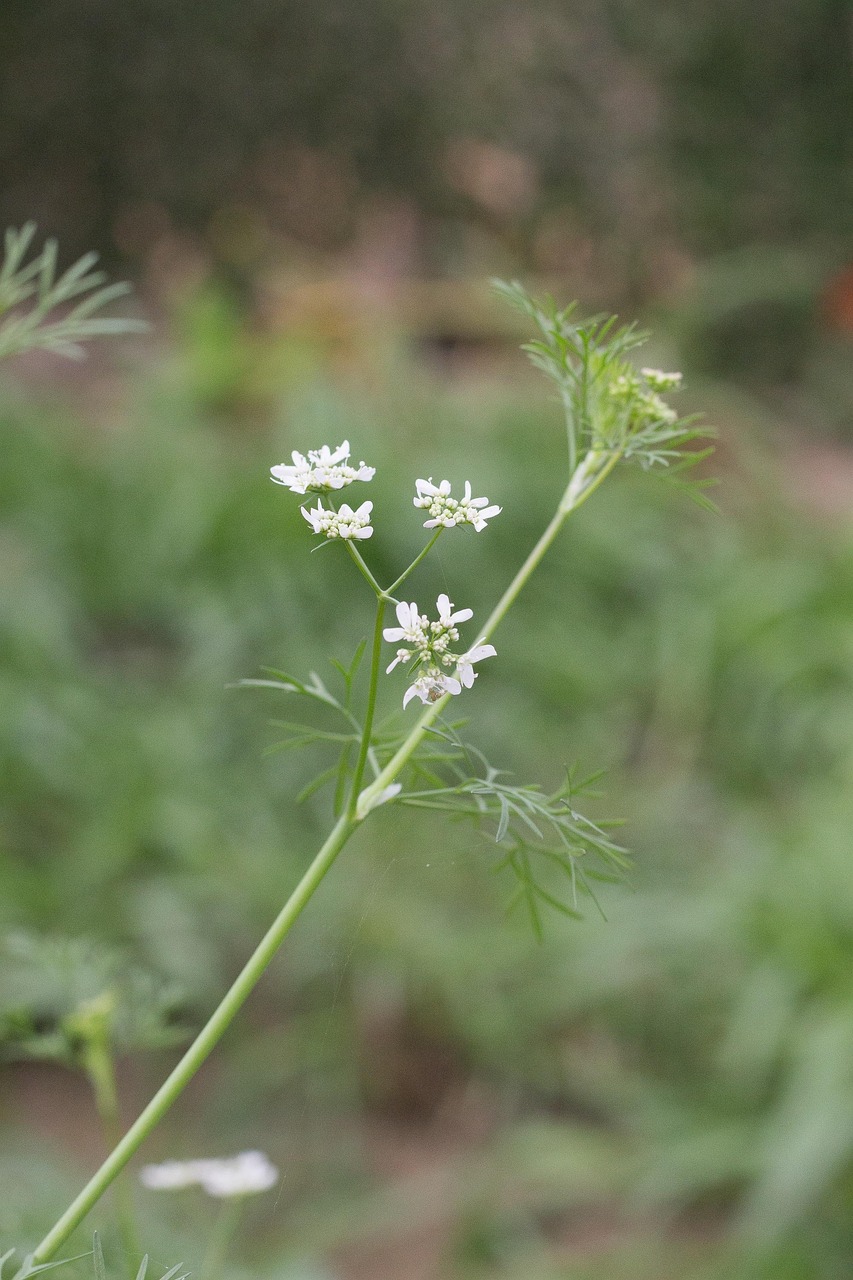
First Impressions: How to Describe the Coriander Seed Oil Aroma
The opening note is sweet and slightly floral, with a clean, almost powdery brightness. Within a few seconds, a soft spice emerges beneath it. Some describe this as a gentle woodiness; others pick up a faint musky warmth reminiscent of orris root or violet. The overall impression is never harsh or medicinal. It is softly complex.
Perfumers typically place coriander seed oil in the heart-to-base register, though it can act as a bridge note connecting citrus tops to woody bases. Its sweetness is not sugary. Think of it more as a clean, rounded softness rather than anything cloying.
For context on why the seed smells so different from the leaf, the internal linking target coriander seed vs. cilantro leaf: why the two oils smell so different covers that contrast in detail. The short version: the seed accumulates a completely different set of volatile compounds during maturation, which shifts the aroma profile dramatically.
The Chemistry Behind the Scent
When we ask what does coriander oil smell like at a molecular level, one compound stands out above all others. Linalool typically makes up between 60 and 80 percent of coriander seed essential oil's total composition, depending on the plant's geographic origin and harvest timing. That single statistic explains a great deal about the oil's character.
Linalool: The Dominant Molecule
Linalool is a naturally occurring terpene alcohol found in dozens of botanical sources, including lavender, bergamot, and rosewood. In each plant it appears in a slightly different ratio and alongside different supporting compounds, which is why linalool from lavender smells like lavender rather than coriander. The surrounding cast of molecules shapes the perception of the dominant one.
In coriander seed oil, linalool presents in what chemists call the (R)-(+) enantiomer, also written as d-linalool or coriandrol. This specific molecular orientation is associated with a slightly warmer, more floral and woody character compared to the (S)-(-) form found in lavender. Research suggests this structural difference contributes meaningfully to how the two oils register so differently in the nose despite sharing a dominant compound.
For a detailed breakdown of this molecule and what the research observes about it, see our full piece on linalool in coriander essential oil: the molecule behind the scent.
Supporting Aromatic Compounds
The remaining 20 to 40 percent of coriander seed oil's composition is where the nuance lives. These compounds appear in smaller quantities but have an outsized influence on the overall aromatic picture.
| Compound | Typical Percentage | Aromatic Contribution |
|---|---|---|
| Camphor | 2.0 to 7.0% | Cool, slightly sharp edge beneath the sweetness |
| Geranyl acetate | 1.5 to 5.0% | Rosy, fruity lift in the top notes |
| Geraniol | 1.0 to 4.0% | Soft floral warmth, bridges to heart notes |
| Terpinen-4-ol | 1.0 to 3.5% | Mild, earthy roundness |
| Borneol | 0.5 to 2.5% | Dry, woody depth in the base |
| Limonene | 0.5 to 2.0% | Bright citrus shimmer in the opening |
| Alpha-pinene | 0.3 to 1.5% | Fresh, resinous undertone |
The camphor content is worth noting specifically. When it rises toward the higher end of its range, usually in oils from certain Russian or Eastern European cultivars, the scent gains a cooler, slightly more assertive quality. Some formulators find this energizing in a diffuser blend; others prefer the softer, more floral profiles produced by Moroccan or Indian-origin oils, where camphor tends to be lower.
How Scent Evolves Over Time
One of the more interesting aspects of the coriander seed oil aroma is how it shifts during a standard wear or diffusion cycle. This is the kind of detail that matters to perfumers and product formulators alike.
Top Notes (0 to 30 Minutes)
The opening is bright and slightly sparkly, driven by the limonene and trace citrus-adjacent compounds. There is an immediate sweetness that some describe as almost candy-like in its cleanliness. This phase evaporates quickly.
Heart Notes (30 Minutes to 2 Hours)
This is where linalool dominates fully. The scent settles into a smooth, powdery-floral warmth. Geranyl acetate and geraniol add a subtle rosy quality without becoming overtly floral. This is the phase most people identify when they describe the coriander oil scent from memory.
Base and Dry-Down (2+ Hours)
As the lighter molecules evaporate, borneol and camphor become relatively more present. The scent becomes drier, slightly woody, and more resinous. This dry-down is one reason coriander seed oil blends so naturally with cedarwood, sandalwood, and vetiver in base-heavy aromatic compositions.
What Research Suggests About Linalool and Scent Perception
A number of peer-reviewed studies have examined linalool as an aromatic compound in consumer and sensory science contexts. Some research suggests that linalool-rich aromas are perceived as calming in atmospheric settings, such as diffusion during evening routines. These are observations about scent perception and atmosphere, not medical findings.
Other research has looked at how the specific enantiomeric form of linalool influences olfactory receptor binding, finding that the (R)-(+) form found in coriander may activate slightly different receptor pathways than the (S)-(-) form in lavender. This is an emerging area of sensory chemistry, and most findings are still at the observational or in-vitro stage. It is worth following, but no conclusions should be overstated.
For a broader scientific context on the oil itself, the article what is coriander seed essential oil: a complete guide covers botanical origin, distillation methods, and a wider research overview.
How Sourcing Affects the Scent You Smell
Geographic origin, cultivar, harvest timing, and distillation practice each leave a fingerprint on the final aroma. This is why two bottles labeled "coriander seed essential oil" can smell noticeably different from each other.
Geographic Origin
- Morocco and Egypt: Typically produce oils with a high linalool content, often 70 to 80 percent. The scent is sweeter, more floral, and softer overall. Lower camphor levels keep the profile gentle.
- India (Rajasthan): Indian-origin oils are often considered the benchmark for high linalool coriander. They tend to have excellent sweetness with a slightly spiced warmth underneath. Many perfumers source specifically from this region.
- Russia and Eastern Europe: These oils can show higher camphor concentrations and a more assertive, sharper character. Linalool is still dominant but the overall profile feels less floral and more resinous.
- China: Variable quality profiles are common. Some Chinese-origin coriander oils are excellent; others show adulteration or inconsistent distillation. GC-MS verification is especially important here.
Harvest and Distillation Timing
Coriander seeds are harvested when fully ripe and dry. Early harvest can produce oil with a greener, less refined aroma because the volatile compound profile has not fully shifted toward linalool dominance. Over-dried seeds that have been stored too long before distillation may yield oils with duller, flatter aromatic character.
Steam distillation is the standard method. Distillation time and steam pressure both affect which fractions carry over. A slow, careful distillation at moderate pressure tends to preserve the more delicate floral notes. Rushed distillation at higher pressure may push camphor and borneol content upward, shifting the overall scent toward the cooler, drier end of the spectrum.
Quality Indicators to Look For
When evaluating coriander seed oil for scent quality, the following are useful markers.
- GC-MS report availability: A reputable supplier will provide gas chromatography-mass spectrometry data confirming compound ratios. Linalool should appear as the dominant peak, typically above 60 percent.
- Optical rotation: This test confirms the presence of the correct linalool enantiomer. Authentic coriander seed oil shows a positive (+) optical rotation value.
- Refractive index: Should fall in the accepted range for the oil (typically 1.462 to 1.472). Values outside this range can signal adulteration or poor distillation.
- Country of origin stated clearly: Vague sourcing language is a warning sign. A quality supplier specifies origin and ideally the distillery or cooperative.
- Color and clarity: Coriander seed oil should be pale yellow to colorless and clear. Cloudiness or off-color may indicate water contamination or age-related degradation.
Safety Profile and Contraindications
Coriander seed essential oil has a well-regarded safety profile when used appropriately in cosmetic and aromatic applications. That said, no essential oil is universally suitable for every person or every use case.
Skin Application
The International Fragrance Association (IFRA) has set usage guidelines for linalool and other compounds found in coriander oil. For leave-on skin products, a dilution of 0.5 to 1 percent in a carrier oil or lotion base is a conservative and commonly recommended starting point for most adults. Rinse-off applications such as wash products can typically tolerate slightly higher concentrations.
Linalool can oxidize over time when exposed to air, and oxidized linalool is associated with a higher rate of skin sensitization. This is one reason proper storage matters. Keep coriander seed oil in a dark, airtight bottle, away from heat. Always perform a patch test before applying any diluted essential oil blend to a larger skin area.
Population-Specific Considerations
- Pregnancy: Consult a qualified healthcare provider before using any essential oil during pregnancy. Some sources flag coriander seed oil as one to approach with caution during this time.
- Young children: Essential oils should be used with significant caution around infants and young children. Always consult a qualified healthcare provider before use.
- Known sensitivities to linalool: Because linalool is such a dominant compound in this oil, individuals who have reacted to lavender, bergamot, or other linalool-rich oils should proceed with particular caution and conduct a patch test.
- Coriander food allergy: A known food sensitivity or allergy to coriander (the spice) does not automatically predict a reaction to the distilled essential oil, but extra caution and professional guidance are advisable.
Diffusion Safety
Coriander seed oil is generally well-tolerated in aromatic diffusion for most adults. Keep rooms ventilated. Avoid continuous diffusion for extended periods, especially in enclosed spaces with pets, infants, or individuals with respiratory sensitivities. Cats and some other pets have different metabolic pathways for essential oil compounds; consult a veterinarian before diffusing any oil around animals.
A Note on Self-Treatment
Nothing in this article should be taken as guidance for managing any physical or emotional health concern. If you have a specific health question, please consult a qualified healthcare provider.
Blending the Coriander Seed Oil Aroma: A Formulator's Perspective
The coriander seed oil aroma is genuinely versatile in formulation, partly because it does not assert itself aggressively. It cooperates with other ingredients rather than competing with them.
In citrus-forward blends, it rounds out sharpness and extends longevity, since it evaporates more slowly than most citrus top notes. In floral compositions, it adds a soft, slightly spiced depth without pulling the blend into obvious oriental territory. In woody or resinous bases, the linalool sweetness lifts the blend and keeps it from becoming too heavy.
Commonly successful pairings include bergamot, grapefruit, black pepper, cardamom, rose absolute, geranium, cedarwood, and vetiver. The oil is also frequently used in men's grooming formulations, where its warm spice note fits naturally into cologne-style compositions.
Coriander seed is one of those quiet workhorses of natural perfumery. It rarely headlines, but take it out of a blend and something important disappears. It is the connecting tissue between the bright top and the warm base.
Observation from professional natural perfumery practice.
Putting It Together: The Full Scent Picture
So, what does coriander oil smell like? The honest answer is: warm, sweet, softly floral, and gently spiced, with a dry woody finish that reveals itself slowly. It is rounder than most spice oils and more complex than most floral ones. Its dominant compound, linalool, sets the foundational tone, but the supporting cast of geranyl acetate, camphor, borneol, and limonene gives it dimension and movement across a full aromatic arc.
Geographic origin shapes the final character significantly. Moroccan and Indian-origin oils tend toward the sweeter, more floral end of the spectrum. Eastern European varieties lean drier and cooler. Neither is objectively better. The right choice depends on your formulation goals.
Quality verification through GC-MS data, optical rotation testing, and transparent sourcing information separates genuinely useful oil from the inconsistent material that gives natural ingredients a reputation for unpredictability. The chemistry of coriander seed oil is well-understood enough that there is no need to guess. The data should be there, and good suppliers will share it readily.
Understanding the scent profile at this level of detail makes coriander seed oil far easier to work with. It stops being a mystery and becomes a reliable, expressive ingredient with a clear aromatic personality and a well-documented chemical foundation to match.