Why Is Coriander Oil Expensive? What Goes Into the Price
Pick up a bottle of coriander seed oil and it is easy to forget how much seed went into it. The little amber bottle represents kilograms of dried seed, and that single fact explains most of what you see on a price tag. We leave actual prices to the shop and bulk pages, since numbers date quickly, and focus here on what a price is made of.
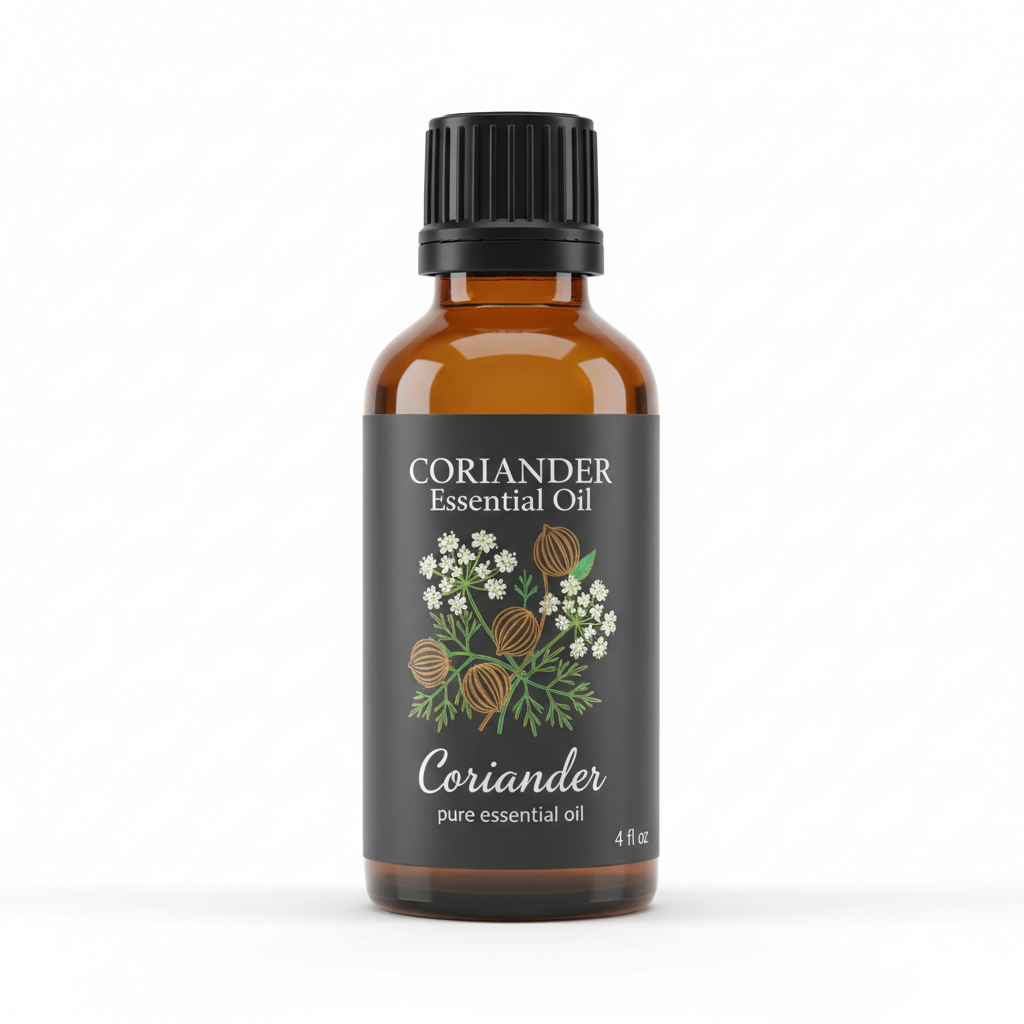
Coriander Essential Oil
Our own Coriander Essential Oil, in sizes from 0.5 oz to bulk.
From $12.99
Shop Now →How little oil is in a seed
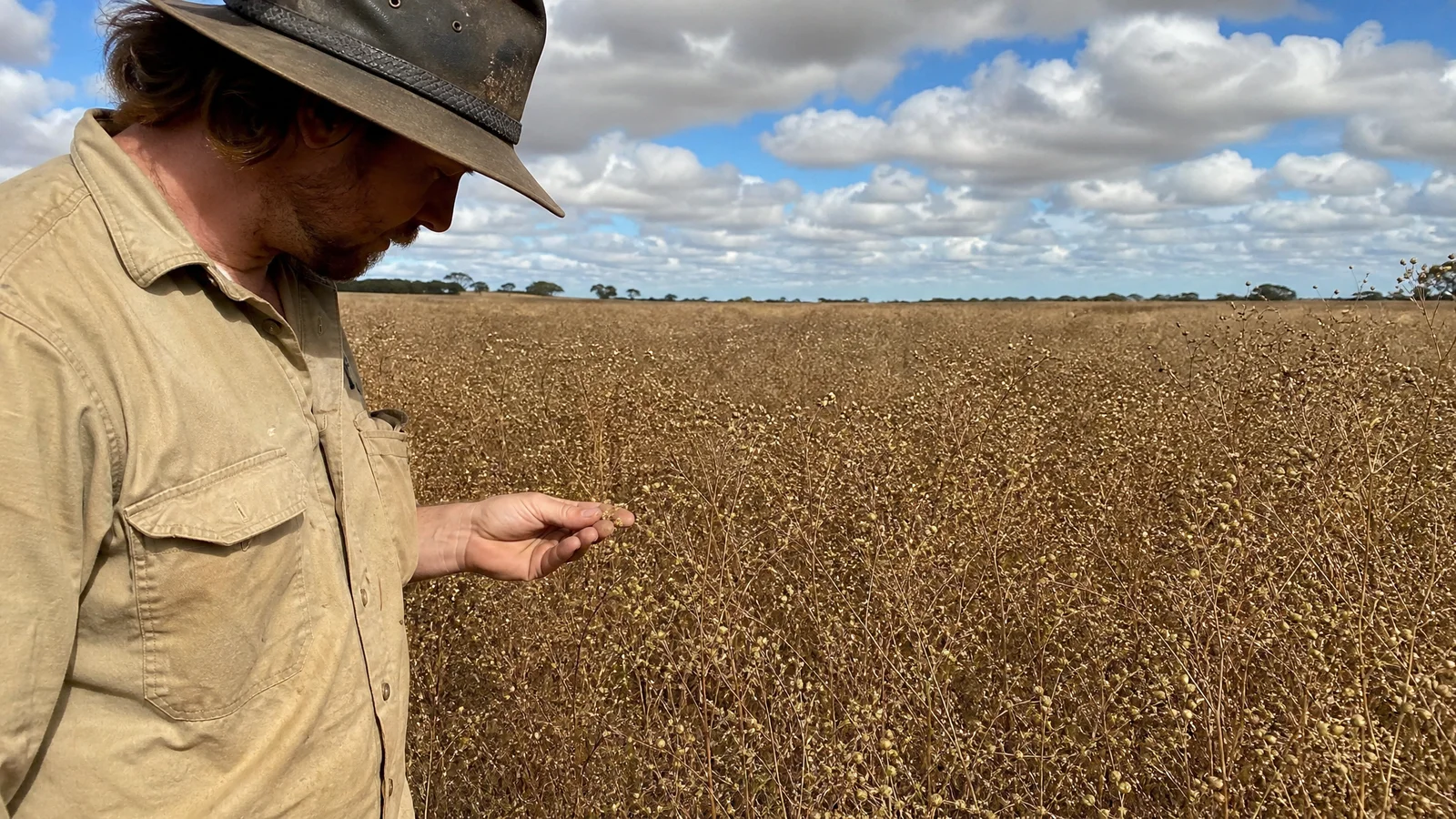
Laboratory distillations give a feel for the range. Dried seed from Iranian accessions yielded between about 0.1% and 0.36% oil (Nejad Ebrahimi et al., 2010), and a 119-genotype trial grown in one place ran from 0.05% to 1.86% (Basol et al., 2024). Those are research plots rather than commercial stills, so treat them as orders of magnitude.
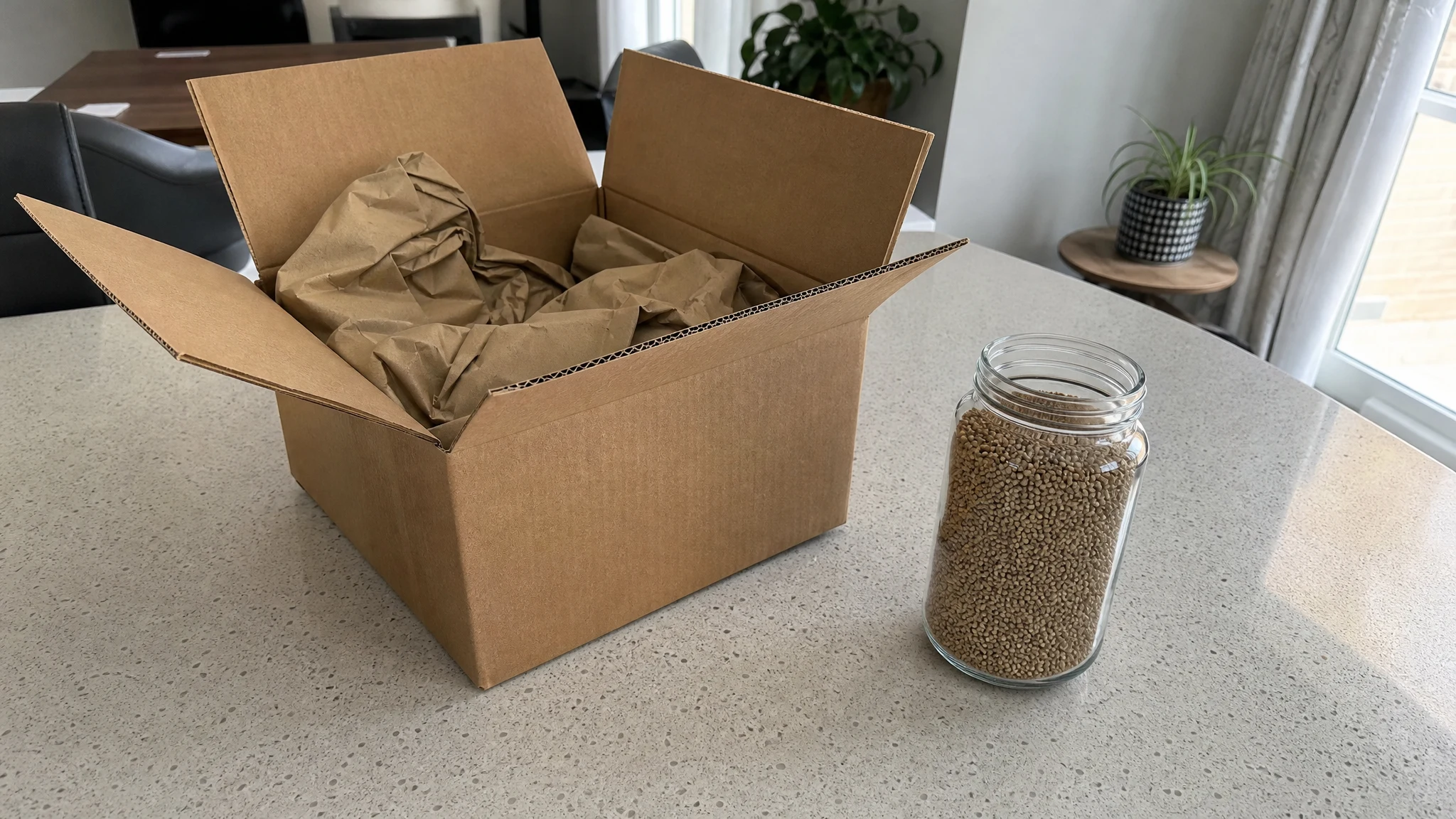
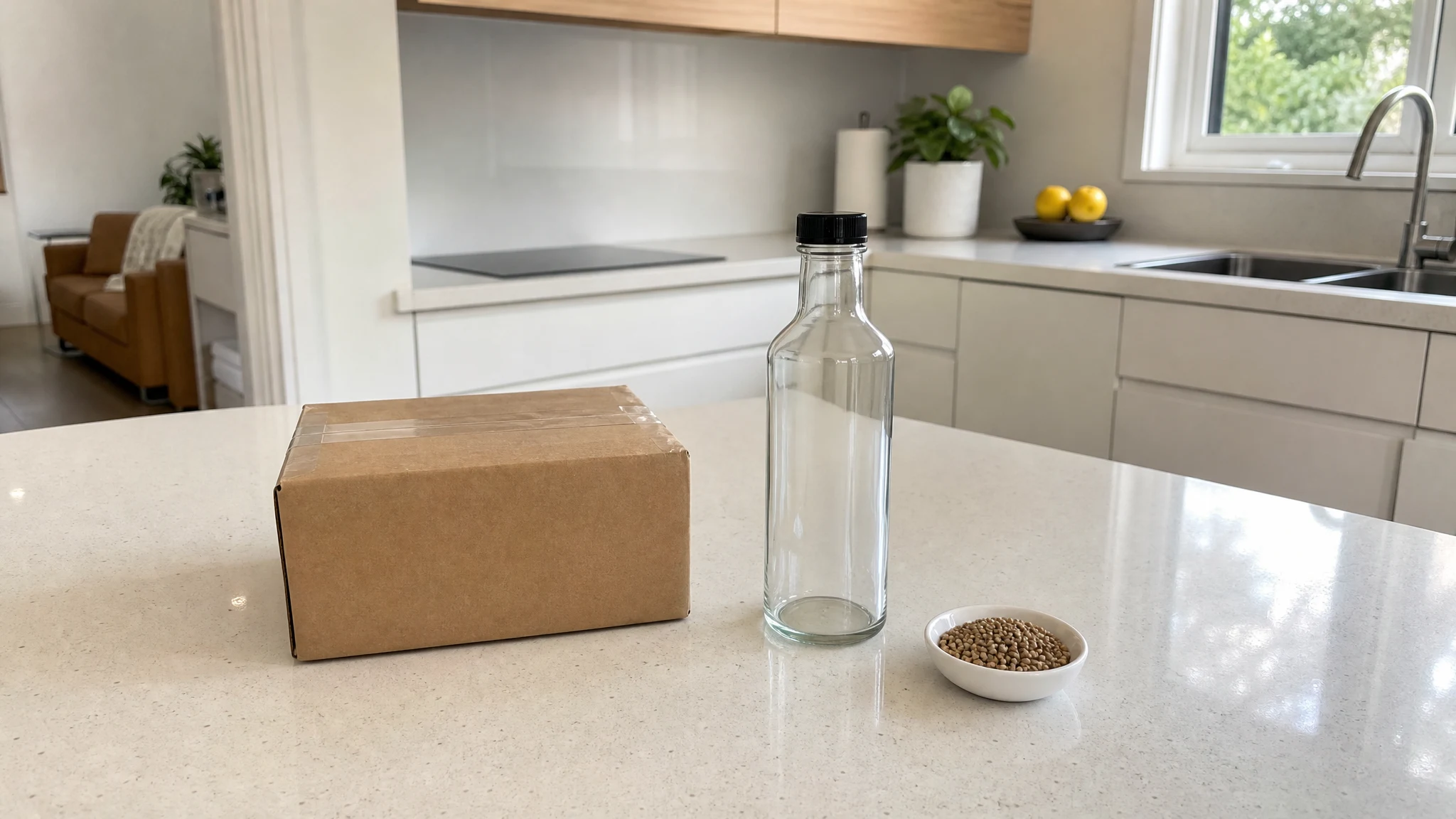
Here is what that means in practice. If we read the figures as roughly millilitres of oil per 100 g of seed (an assumption, since abstracts do not always spell out the unit), a fluid ounce of oil needs about 5.9 kg of seed at 0.5% and nearly 30 kg at 0.1%. Whoever buys the seed carries that spread, and it reaches the bottle.
Holding a handful of seed
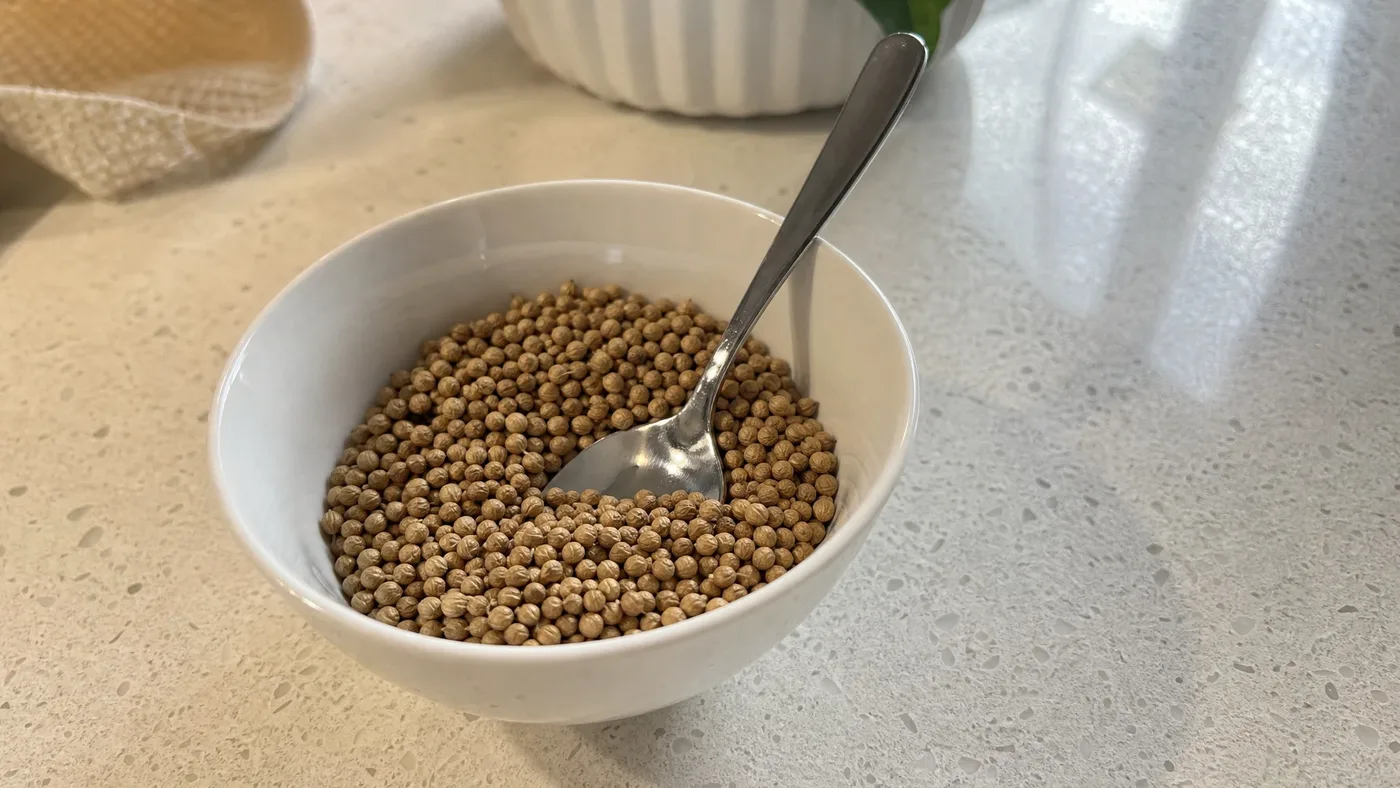
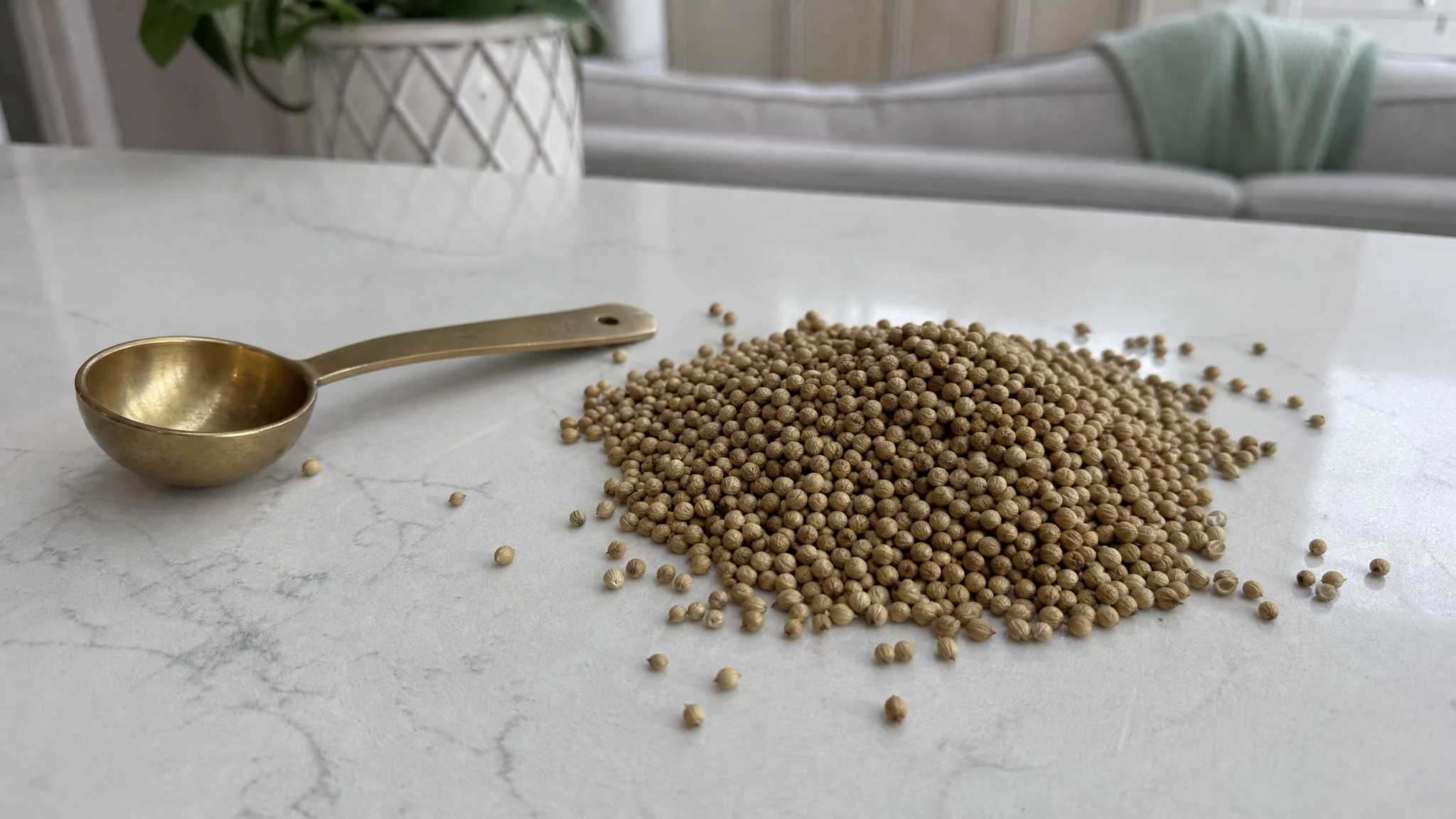
If you have a jar of coriander seed in your kitchen, take a pinch and roll it between your fingers. The little round seeds are light and papery, and when you crush one you'll notice a warm, sweet, faintly citrusy smell that is nothing like the leaf. Now imagine filling a still with kilograms of that and getting back a small bottle of liquid that smells like a concentrated version of the same crush. That distance between the jar and the bottle is where most of the cost lives.
The seed is not one thing
Yield is only half the picture. Sowing date, variety and ripeness all shift what the oil contains, with linalool ranging from the 40s to the 70s in a single Turkish trial (Ali Ali et al., 2026), while the coriander oil assessed by the European Food Safety Authority was specified at 65% to 78% (EFSA, 2023). An oil that sits in that narrower, linalool-led band comes from a selected part of what the plant can produce, and selecting is work. So two coriander oils at different prices can differ for perfectly honest reasons.
Paperwork is part of the cost too
Because most of the oil is one separable molecule, the main way to show an oil is what it says is documentation: chromatography reports and, for the most careful buyers, chiral or isotope analysis, which the adulteration literature names as the methods that address synthetic copies of natural compounds (Vargas Jentzsch et al., 2019). Each test costs money per lot, and the seller has to spread that over the oil sold. That is reasoning, not a measured price gap, but it is why we would compare paperwork alongside prices. Our guides to reading a GC/MS report and checking a coriander oil before you buy cover what each document tells you.
Comparing two quotes fairly
Start by putting both on the same footing. Compare per millilitre of oil, not per bottle. One fluid ounce is 29.57 ml, and a pound of the batch on our Certificate of Analysis (relative density 0.857) is about 529 ml. Then ask what documents come with each lot, and whether the plant part and the method are written down.
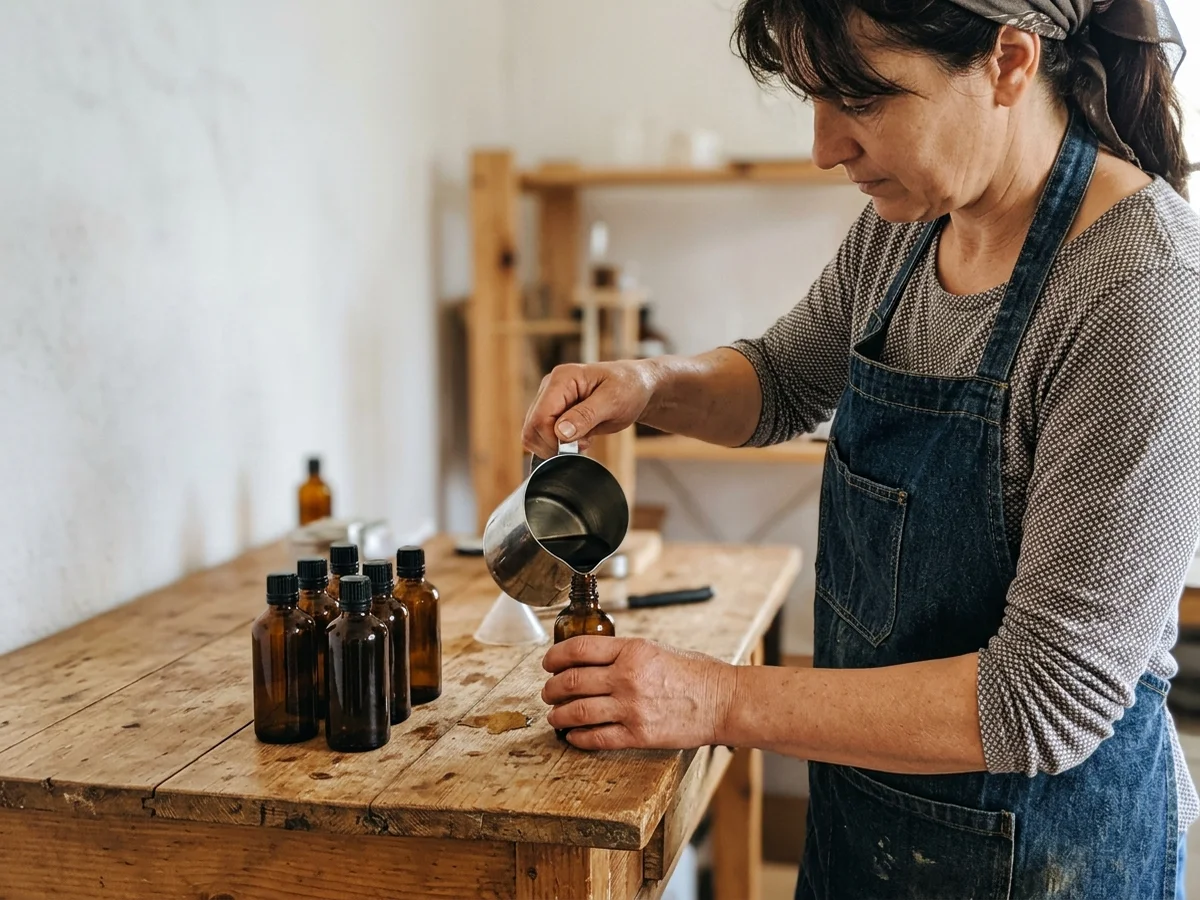
We sell one coriander oil, from the seed, in sizes from 0.5 oz to 400 lb, with current prices on our shop and bulk pages. The Certificate of Analysis we publish for one batch lists density, refractive index, appearance and smell. If you need a lot-specific GC report, ask us in writing through the contact page before you order and keep the answer with your records.
Questions worth asking beside the price
- Is it the seed or the leaf? The two are different oils, and a seller should say which.
- Can the seller give you the botanical name and the plant part in writing?
- What paperwork exists for the lot you are buying, and will they send it before you order?
- How is the oil packaged, and how should you store it once the bottle is open?
None of these questions make you difficult. They are the questions anyone buying a concentrated material would ask, and a seller who enjoys the work will be glad you did.
Why a small bottle is a sensible start
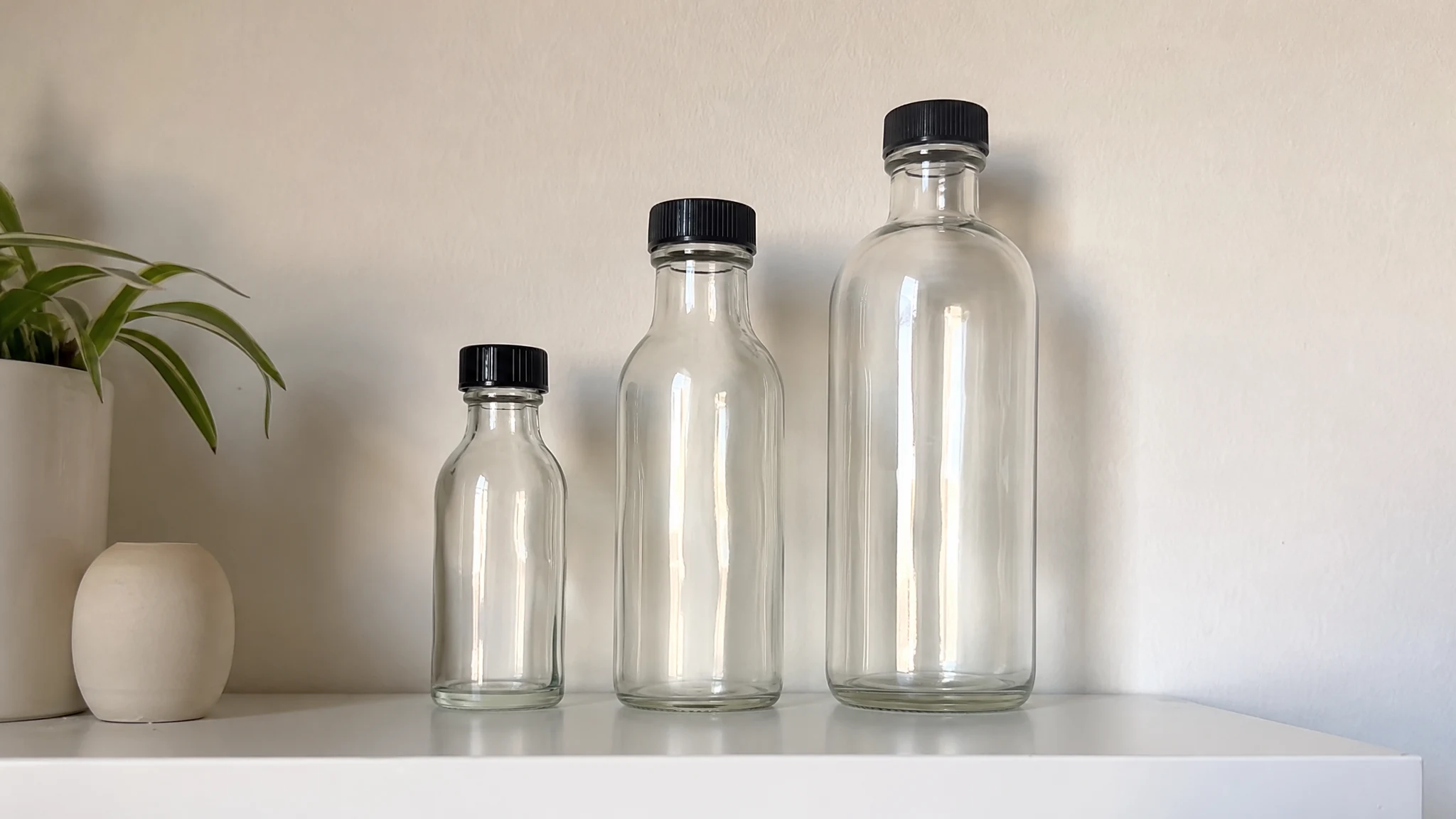
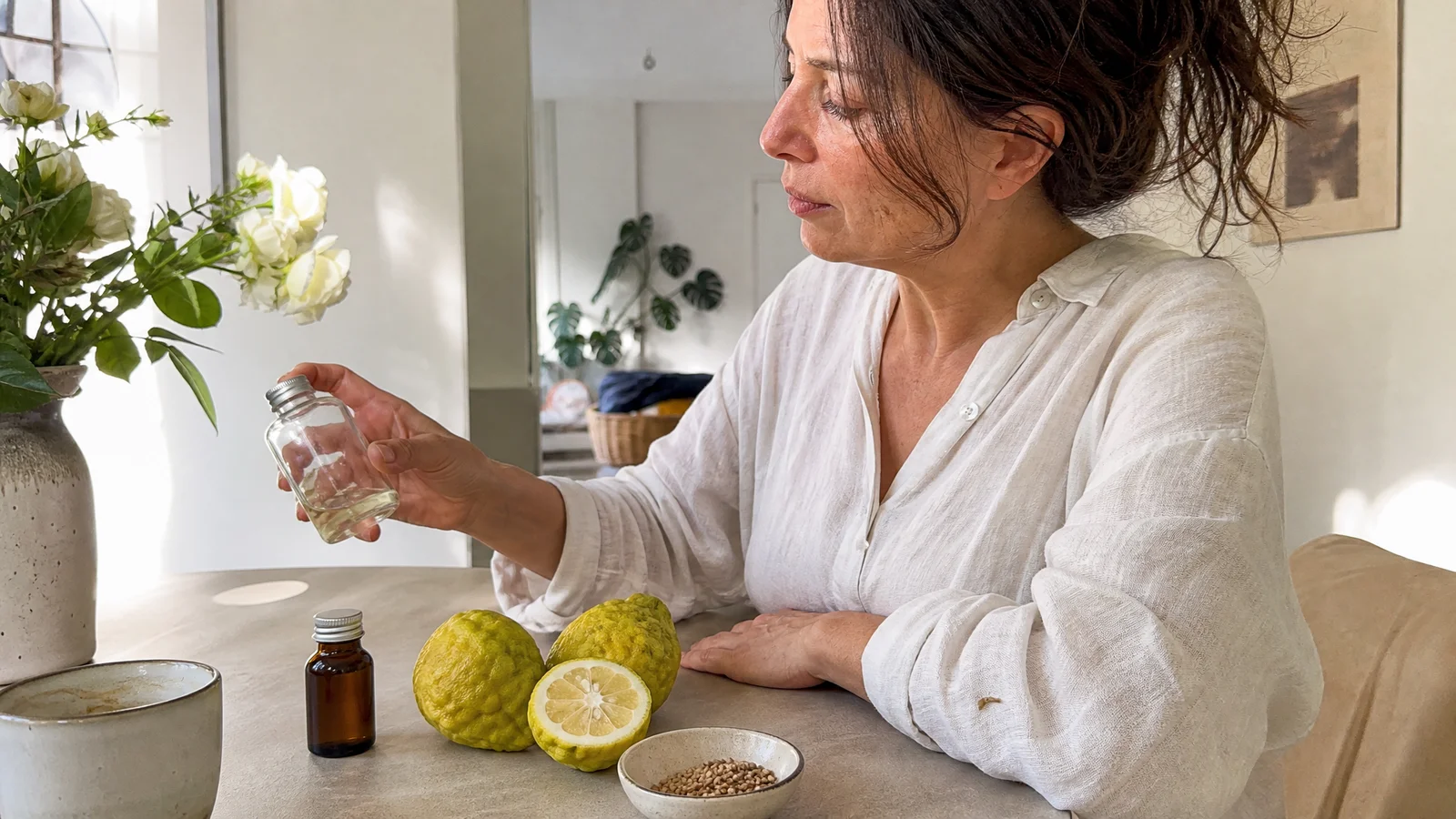
A first bottle is a low-stakes way to find out whether you love the scent. Because the oil is used in drops and fractions of a millilitre, a small amber bottle goes a long way, and you learn what the oil is like long before you have committed to anything larger. If a project grows, you can scale up with confidence rather than guessing.
Learning the scent first
There is one more thing that no price comparison captures, and that is whether you like the smell. Coriander seed oil is warm, softly spicy and lightly floral, and it is not the green herbal note some people expect. Smell it before you plan a project around it, and ask yourself whether you would reach for it on an ordinary Tuesday. A material you love and use fully is better value than a cheaper one that sits in a cupboard.
A good price is one you understand, and understanding it starts with that tiny percentage of oil inside each seed.
Coriander Essential Oil
Coriander Essential Oil from our own shop, in sizes from 0.5 oz to bulk.
From $12.99
Shop Now →Sources & Further Reading
- Nejad Ebrahimi et al., 2010: oil content and composition of coriander seed accessions
- Basol et al., 2024, Biology: 119 coriander genotypes
- Ali Ali et al., 2026: sowing date and genotype
- EFSA FEEDAP Panel, 2023: coriander fruit oil
- Vargas Jentzsch et al., 2019: detection of essential oil adulteration