Coriander and Bergamot: Ratios for a Citrus Spice Blend
Bergamot is all sparkle and coriander seed oil is all warmth, and together they make one of the nicest simple blends you can put in a diffuser or a roller bottle. The one decision that matters more than the ratio is which bergamot you buy.
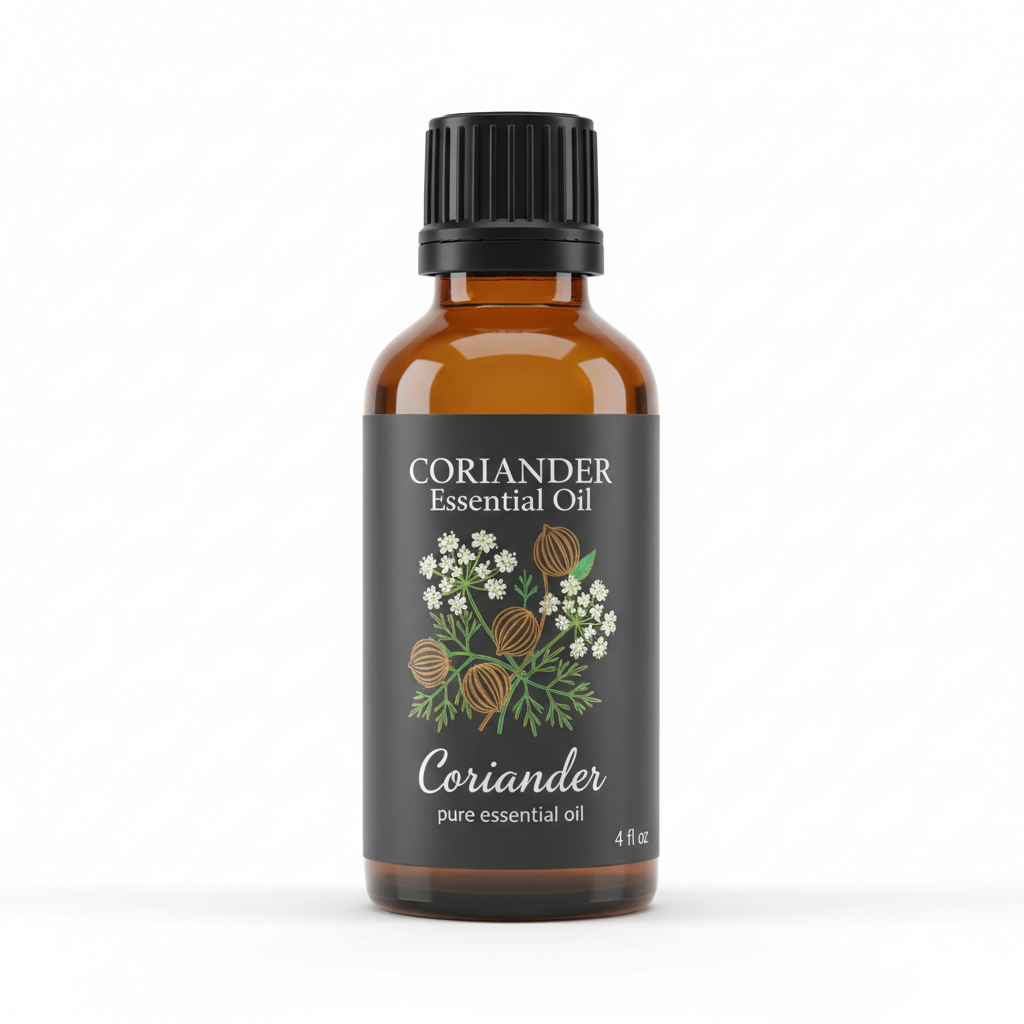
Coriander Essential Oil
Our own Coriander Essential Oil, in sizes from 0.5 oz to bulk.
From $12.99
Shop Now →Why they get along
Both oils carry linalool. In one 2026 study of Calabrian citrus, the bergamot sample held about 11 percent linalool alongside linalyl acetate, and the seed oil that European regulators assessed sat at 65 to 78 percent. That shared floral backbone is the bridge. Bergamot supplies a bright top note that fades quickly, and coriander, a middle note with a softly spicy, rounded character, holds the scent together after it goes. That is our reading of the chemistry and the aromas, and the same logic works for other linalool-bearing oils.
What each oil brings to the room
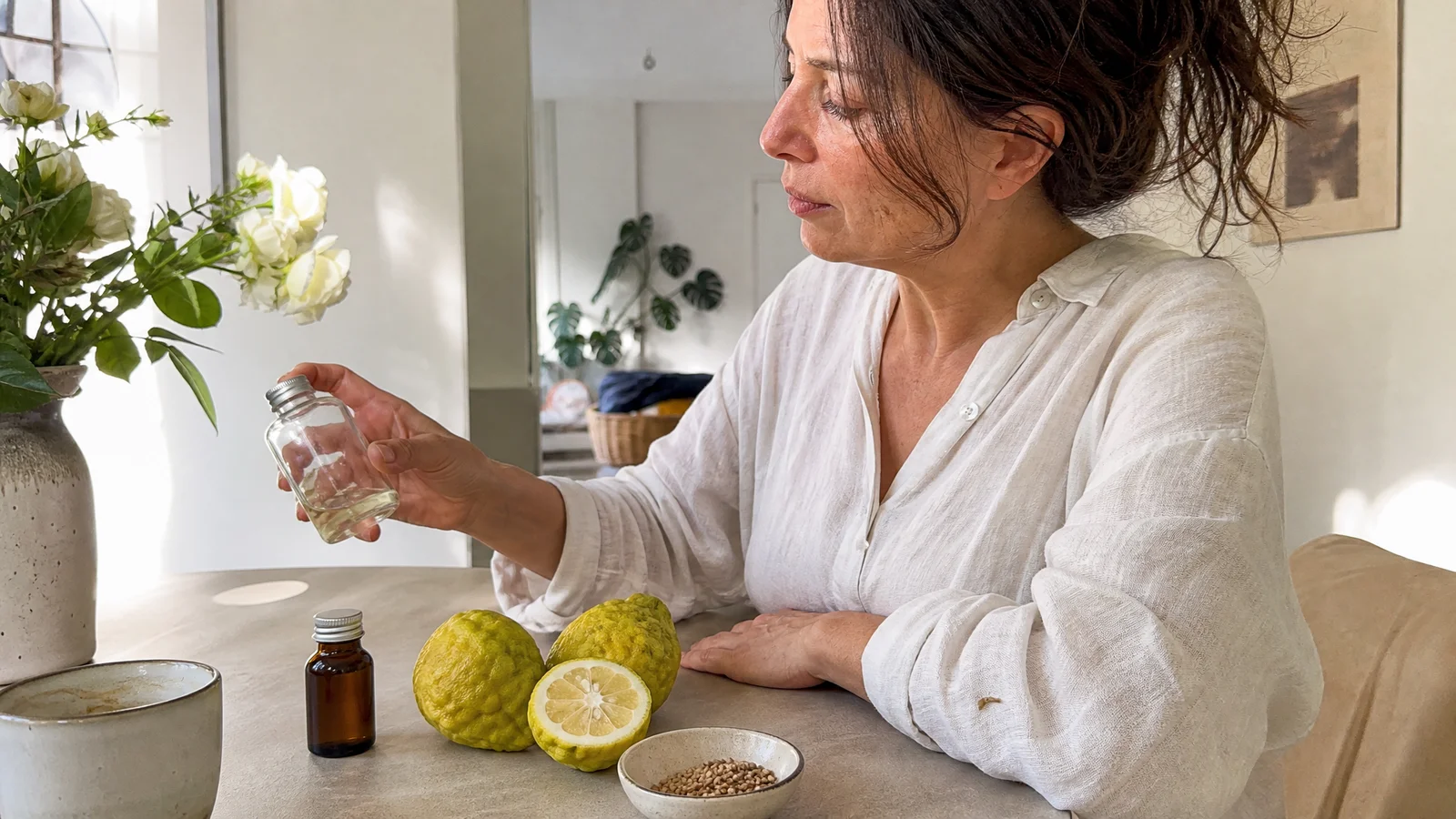
Bergamot opens a blend like a window thrown open on a bright morning: sparkling, a little floral and gone within minutes. Coriander arrives more slowly and stays longer. If you smell the two on separate paper strips, you'll notice that the bergamot jumps out of the bottle while the coriander has to be coaxed, which is why the blend works as a team. One lifts, the other holds.
Smell the strips again after ten minutes and after an hour. The bergamot fades first and the warm spice is what is left, so judge the blend by its dry-down and not just by the first sniff.
Choose the bergamot first
Cold-pressed bergamot contains bergapten, a furanocoumarin that can make skin more sensitive to sunlight. The Tisserand Institute notes that most phototoxic essential oils are expressed citrus oils, and that bergapten-free bergamot, labelled FCF, is considered non-phototoxic. For ordinary bergamot on skin that will see the sun, the guidance it cites is a maximum of 0.4 percent of the final product. We would handle it like this:
- Diffuser or room scent: any bergamot works, because the concern is oil on skin.
- Anything left on skin: choose bergamot FCF and ask your supplier for something in writing that says so. We do not sell bergamot, so you will find it at an aromatherapy supplier.
- Wash-off products: the guidance excepts these, but we would still reach for FCF so one bottle does every job.
Three ratios in millilitres
Drops are imprecise for small batches, so here are the amounts for a 30 ml roller or body oil at 1 percent total essential oil, which is 0.3 ml in all. Our dilution guidance for coriander is 0.5% to 2% in a carrier, so 1% sits comfortably in the middle.
| Coriander : bergamot | Coriander | Bergamot | Bergamot in finished oil |
|---|---|---|---|
| 3 : 1, spice-forward | 0.225 ml | 0.075 ml | 0.25% |
| 2 : 1, balanced | 0.20 ml | 0.10 ml | 0.33% |
| 1 : 1, citrus-forward | 0.15 ml | 0.15 ml | 0.50% |
The first two keep ordinary bergamot under 0.4 percent. The citrus-forward blend goes over it, so make that one with FCF bergamot, or use it only in a diffuser. Percentages add across oils, so the total essential oil is what counts toward your dilution.
Pick the ratio by the mood
The spice-forward ratio suits cooler days, when you want something that feels like a knitted jumper. The balanced one is our choice for an everyday roller. The citrus-forward blend is the cheerful one, nice in a diffuser on a grey afternoon. None is better than the others, so make a small amount of the one you are curious about and see if you like living with it.
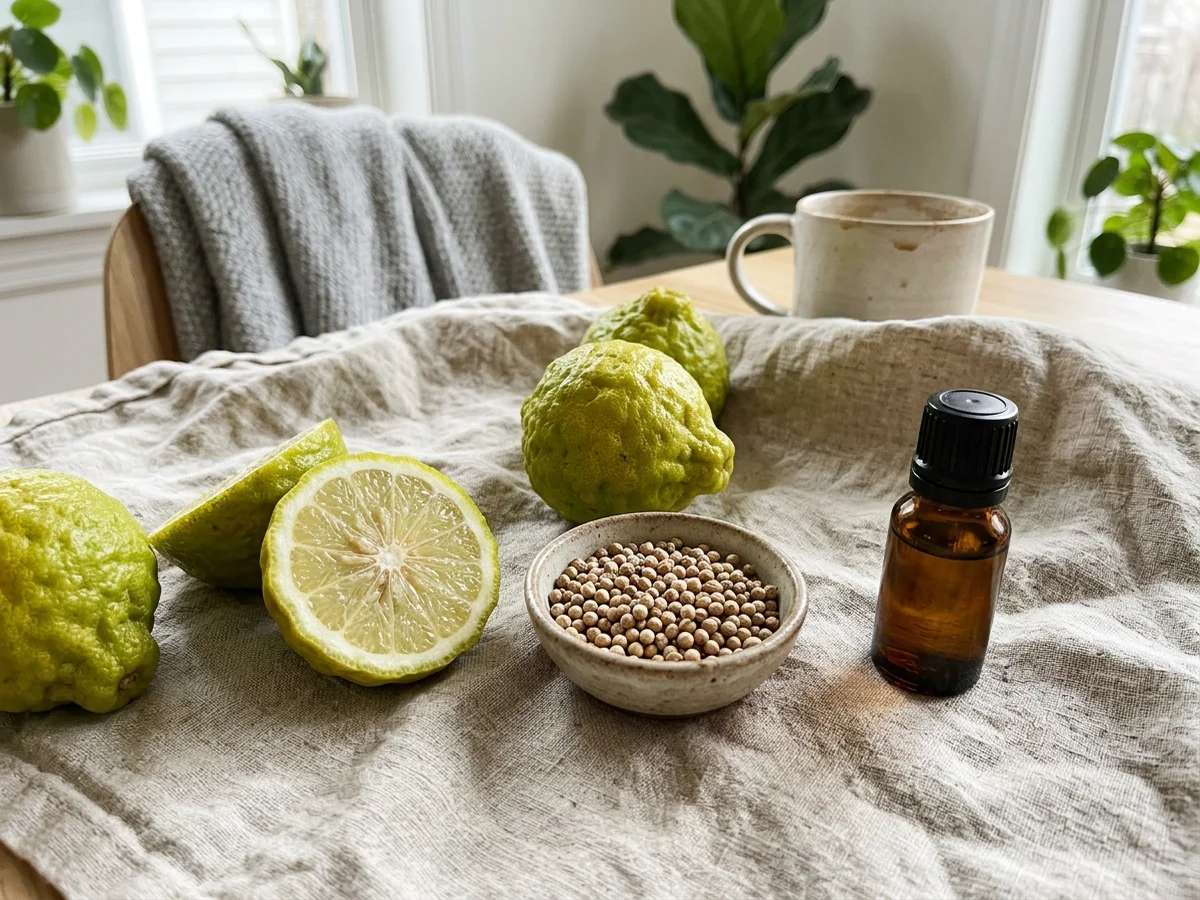
Where this pairing shines
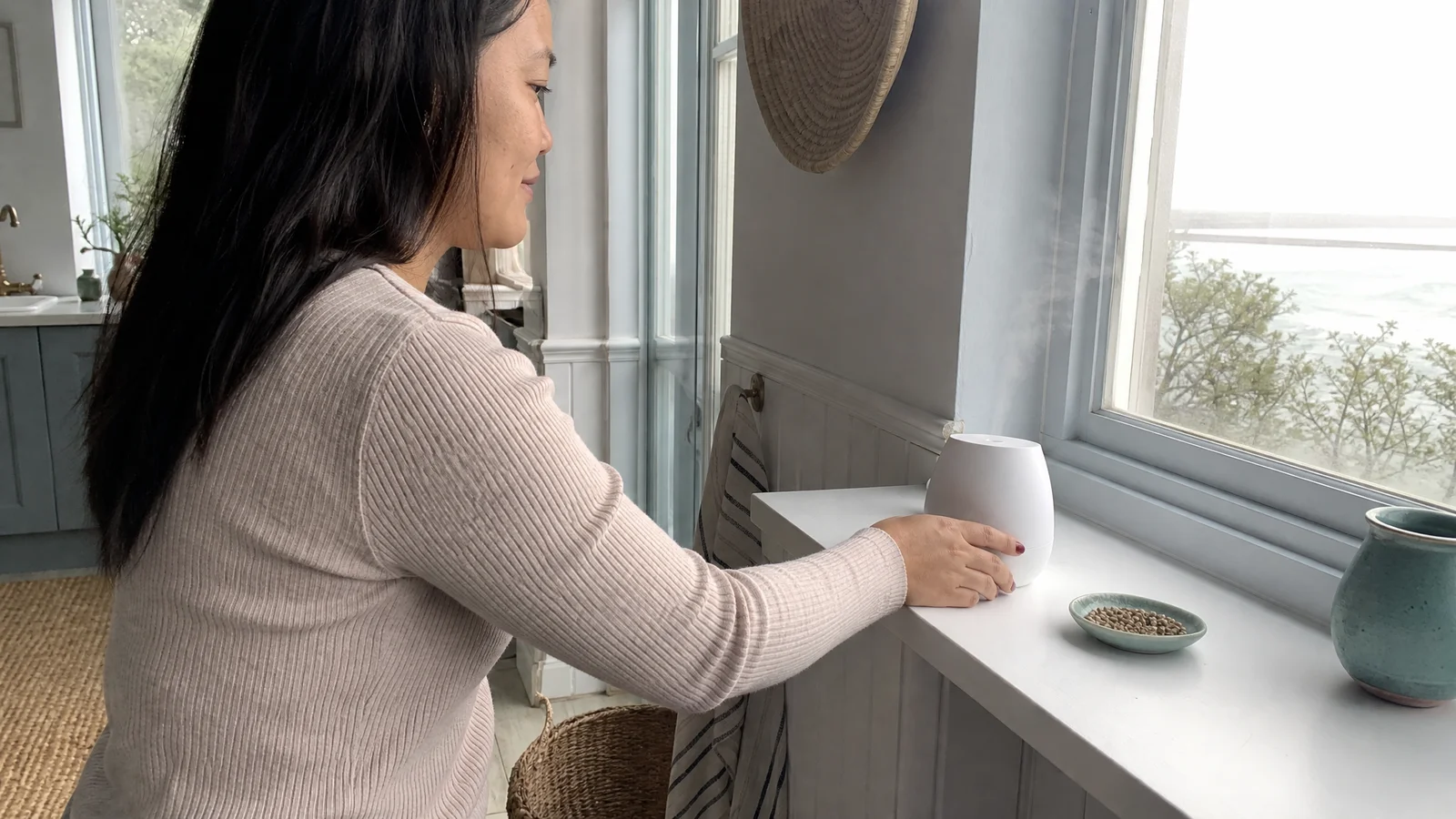
- A hallway diffuser: the bergamot greets guests and the coriander lingers after they have walked in.
- A desk roller: a quick sniff of the wrist on a long afternoon, at a gentle strength.
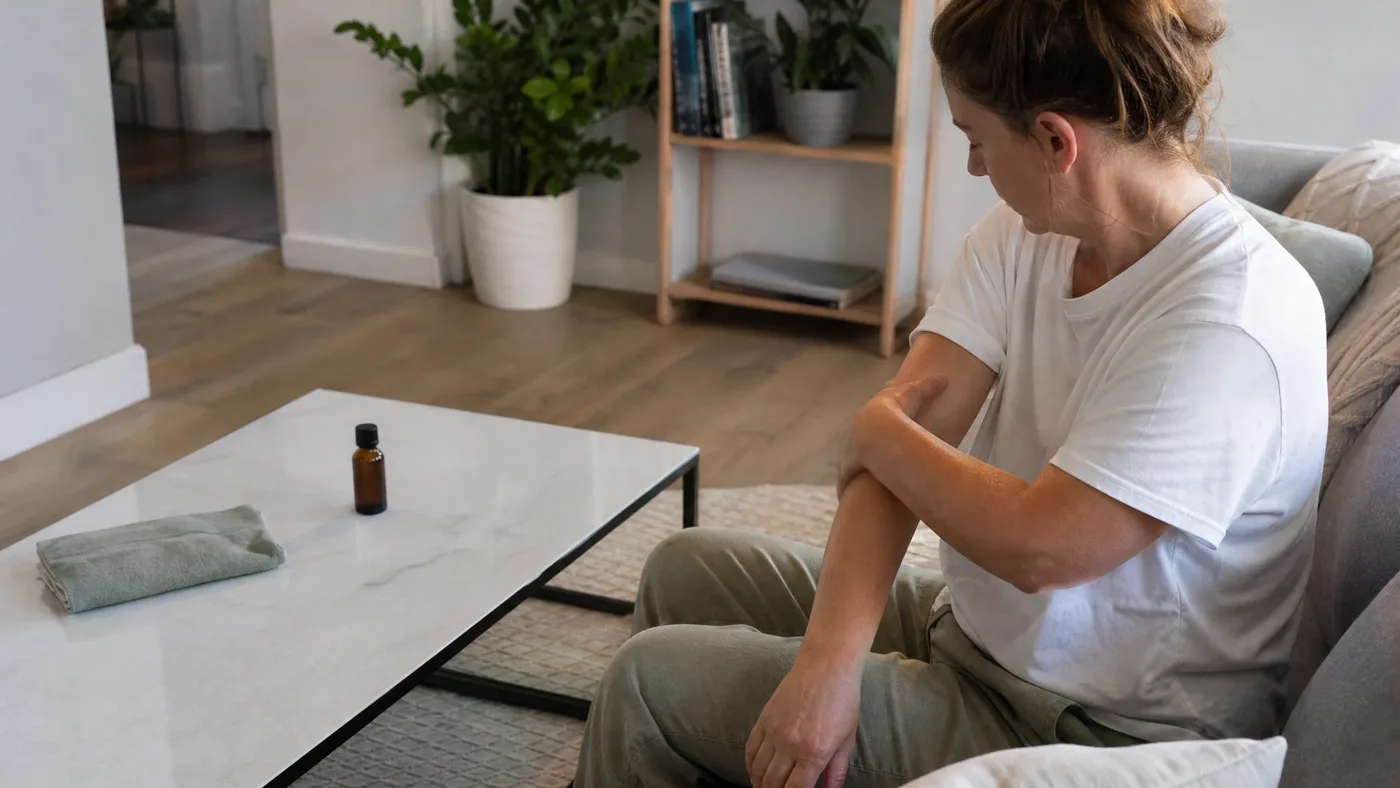
- A scented body oil: a light, warm-and-bright finish after a shower, using FCF bergamot and the lower strengths above.
Whichever you choose, write the ratio on the bottle. A blend you love is a blend you will want to make again, and a label saves you from trying to remember it.
A word on patience
Citrus oils tend to wake up the moment they meet the air and soften a few days later. Smell your blend the day you mix it, and again on the third day. You may find the bergamot has rounded out and the coriander has come forward, and that the version you thought needed more citrus is exactly right.
Making it
Measure the carrier into a clean bottle, add the oils with a small syringe or pipette, cap, and roll gently. Let it rest a day, then smell it fresh. If it needs more citrus, adjust the next batch rather than the same bottle. For quantities in a roller bottle, our roller formulas convert everything into drops, and our diffusing guide covers room use.
Keep the cap tight and the bottles cool and dark, and patch test before wearing any new blend. For more partners, see what blends well with coriander.
Coriander Essential Oil
Coriander Essential Oil from our own shop, in sizes from 0.5 oz to bulk.
From $12.99
Shop Now →Sources & Further Reading
- Tisserand Institute, phototoxicity of essential oils. Tisserand Institute
- Bava et al., 2026, Veterinary Parasitology 347, Calabrian citrus oils. PubMed
- EFSA FEEDAP Panel, 2023, coriander oil opinion. EFSA
- Tisserand Institute, dilution guidance. Tisserand Institute