Is Your Coriander Oil the Real Thing? What to Check
No single check settles whether a coriander seed oil is exactly what its label says. That sounds discouraging, but it is really a handy map: each check catches certain problems, and once you know which, you can ask for the right one.
Coriander Essential Oil
Our own Coriander Essential Oil, in sizes from 0.5 oz to bulk.
From $12.99
Shop Now →Start with what you can see and smell
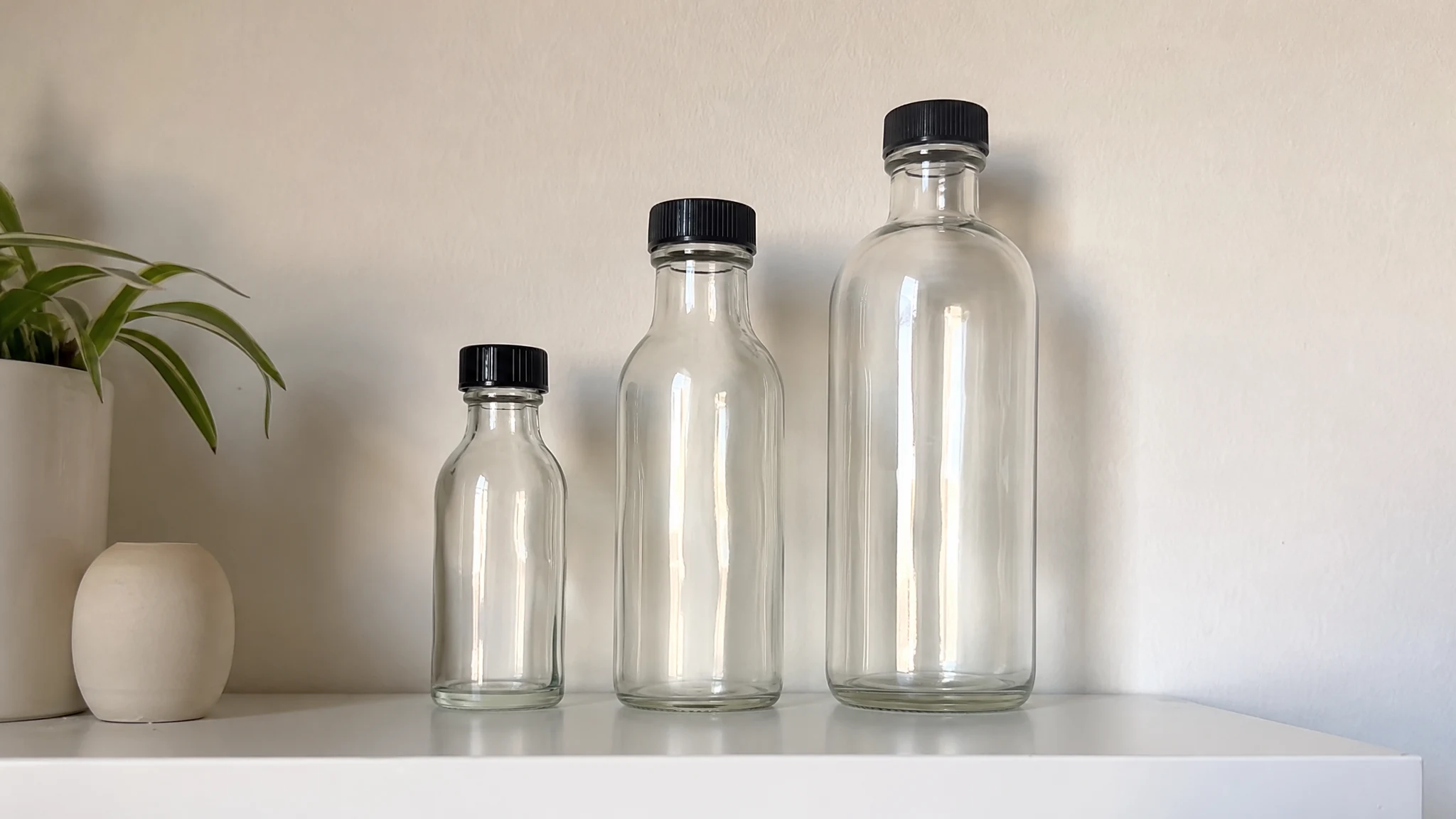
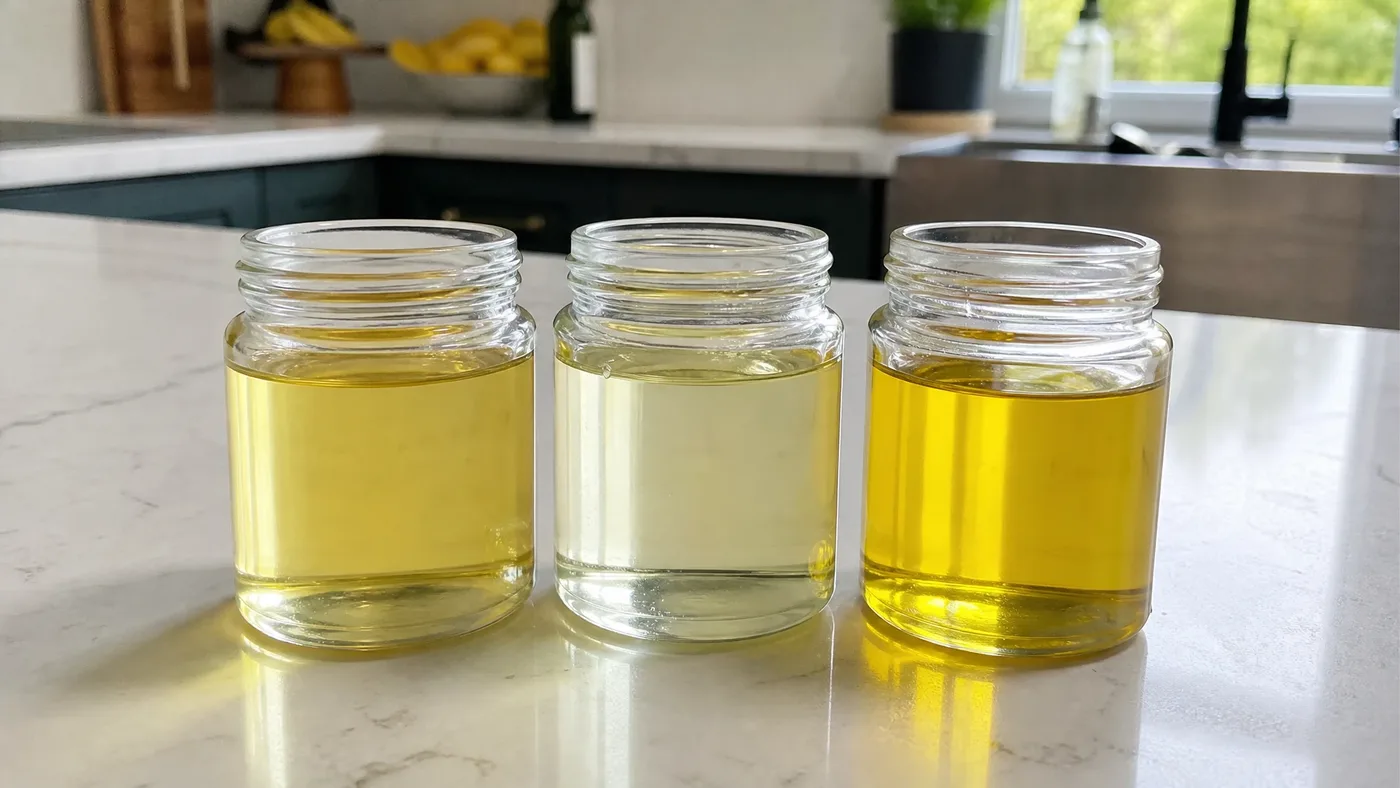
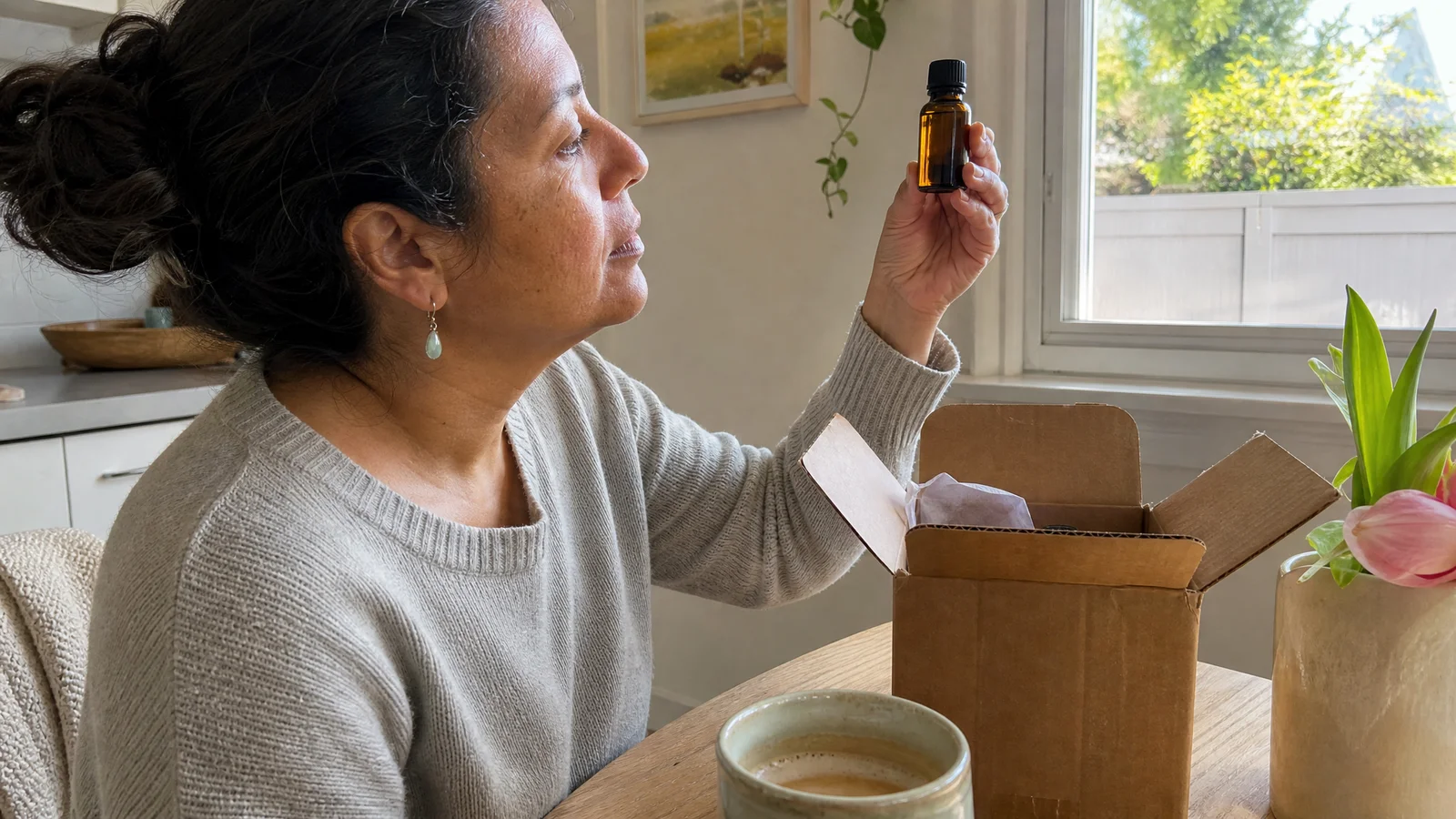
Before any laboratory enters the picture, a few free checks are worth making. Look at the bottle: amber glass, a tight cap, and a label that names the plant, the part used and a lot number. Look at the liquid: it should be clear, from colourless to pale yellow, which is the standard on our certificate.
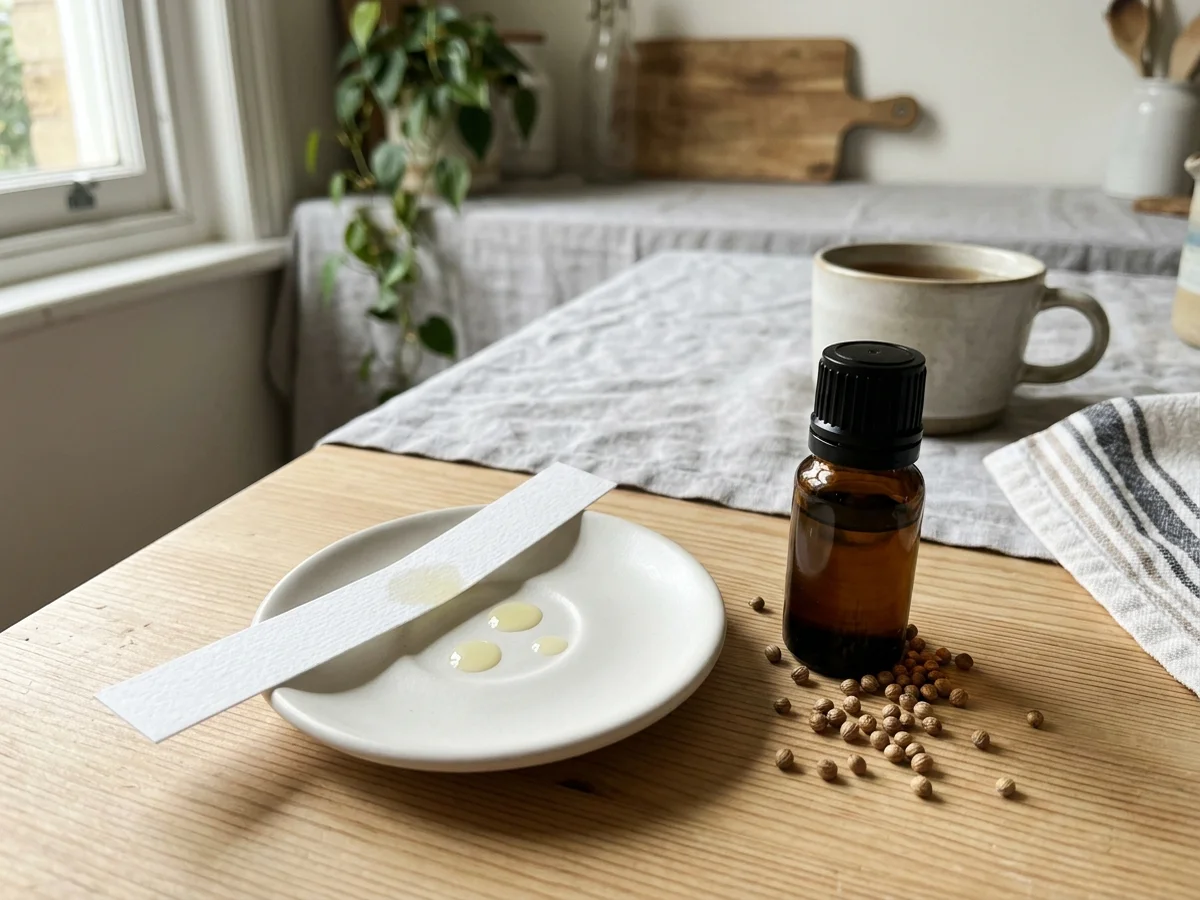
Then try the paper strip. Put one drop on a strip, smell it straight away, again after a few minutes, and again after an hour. A good seed oil keeps its warm, rounded spice as it dries down. If it vanishes into nothing, or turns thin and sharp, make a note and ask the seller about it.
Your nose catches the wrong plant part
Seed and leaf oils are chemically different. Fruit oils in a Portuguese study were dominated by linalool, at 60% to 73%, while oils from the leafy parts were dominated by 2-trans-decenal and n-decanal (Machado et al., 2023). Linalool is what gives the seed oil its warm, rounded, lightly floral aroma. If a bottle sold as seed oil smells like crushed fresh herb, ask what plant part it is. Our seed versus leaf article shows what to expect from each.
Density and refractive index catch gross mismatches
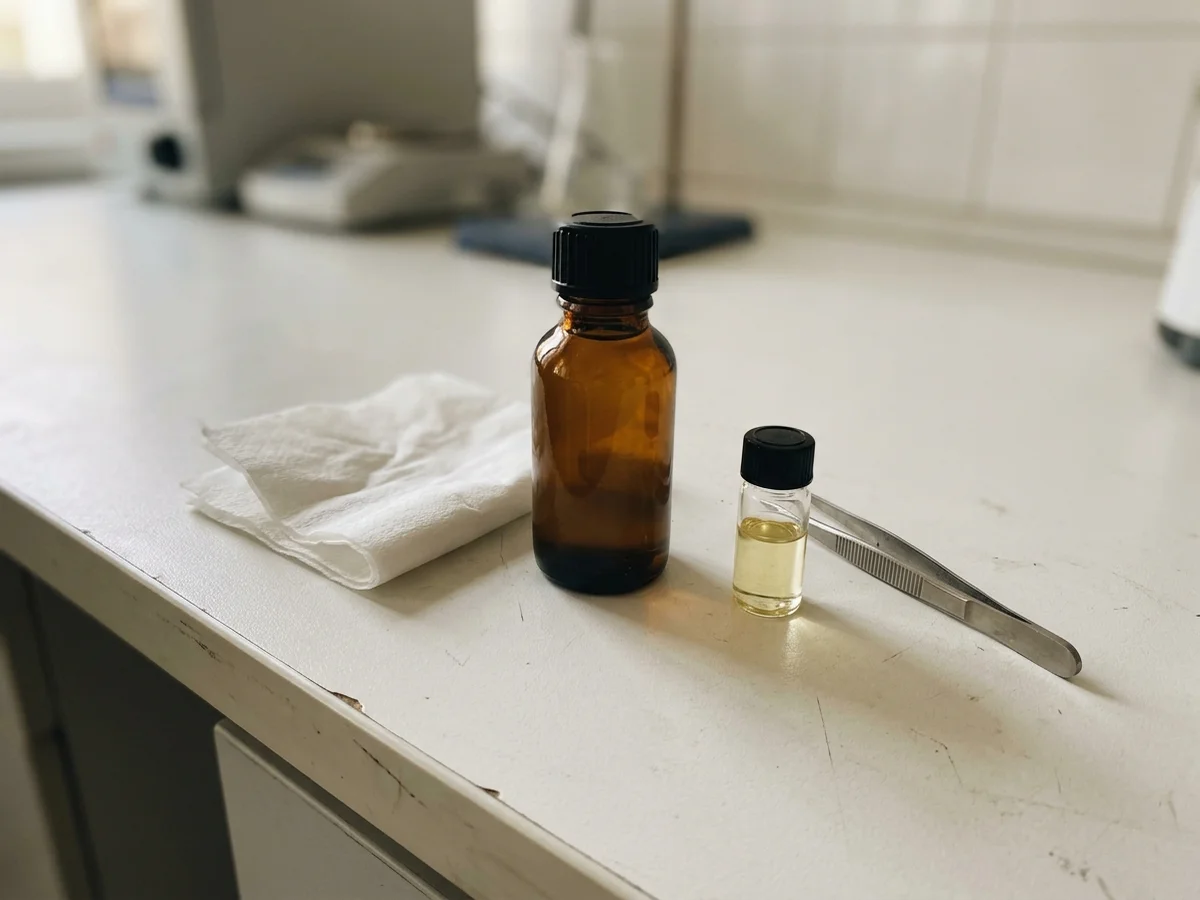
These are physical measurements any decent supplier can make, and they are useful. On the Certificate of Analysis we publish for one batch, relative density is 0.857 against a stated range of 0.842 to 0.873, and refractive index is 1.464 against 1.456 to 1.472. An oil thinned with something unlike it would likely fall outside those ranges.
What they cannot do is separate coriander oil from coriander oil with extra linalool added. Linalool makes up most of the oil, and linalool itself has density and refractive index values in the same neighbourhood: PubChem compiles densities of 0.858 to 0.870 and a refractive index of about 1.461 to 1.465 (PubChem, linalool). Adding more of it barely moves either number. So these readings tell you the oil is in the expected family, and they are the first step rather than the last.
Chromatography goes further, with a catch
A gas chromatography report lists the compounds in the oil and their shares, which is far more informative. Reviews of adulteration say that for added synthetic versions of natural compounds, the methods that work best are chiral chromatography and isotope-ratio mass spectrometry (Vargas Jentzsch et al., 2019). A 2024 study of fennel, star anise and anise oils shows why: of 30 commercial samples, 27% were adulterated, and some samples with added synthetic anethole looked unremarkable on GC/MS and were identified only through carbon isotope data (Murphy et al., 2024). That was a different group of oils, and the lesson that carries over is about method: an ordinary profile is strong evidence, but a determined check uses more than one tool. The same review notes that chromatography only sees compounds that vaporise, so a non-volatile addition like a fixed carrier oil can slip past.
Our GC/MS checklist shows how to read one of these reports.
Questions worth asking any seller
- Which plant part is in the bottle, the seed or the leafy parts?
- Which lot is this, and is there paperwork for that lot?
- What does the report measure, and by which method?
- How should I store it, and for how long?
None of these is a rude question. A seller who cares about the oil should be glad to answer them, and the way a seller answers tells you a good deal too.
Age is the one a certificate cannot tell you
A certificate describes the oil on the day it was analysed. Linalool reacts with air over time, and a bottle that has been open for ages will not match its paperwork. Tight caps, cool and dark storage, and an honest sniff test do the rest; see our storage article.
Using this with us
We sell one coriander oil, from the seed, and the density and refractive index figures above are what our Certificate of Analysis covers for the one batch. If you need chromatography for a lot, or want to ask about plant part and method in writing, use our contact page before you order. It is exactly the kind of question we like getting.
Trust your own notes
A patient, curious habit beats a long checklist. Over a few bottles, your own notes on colour, smell and dry-down become a personal standard, and you'll notice when something is off long before any report tells you.
Keep your own record
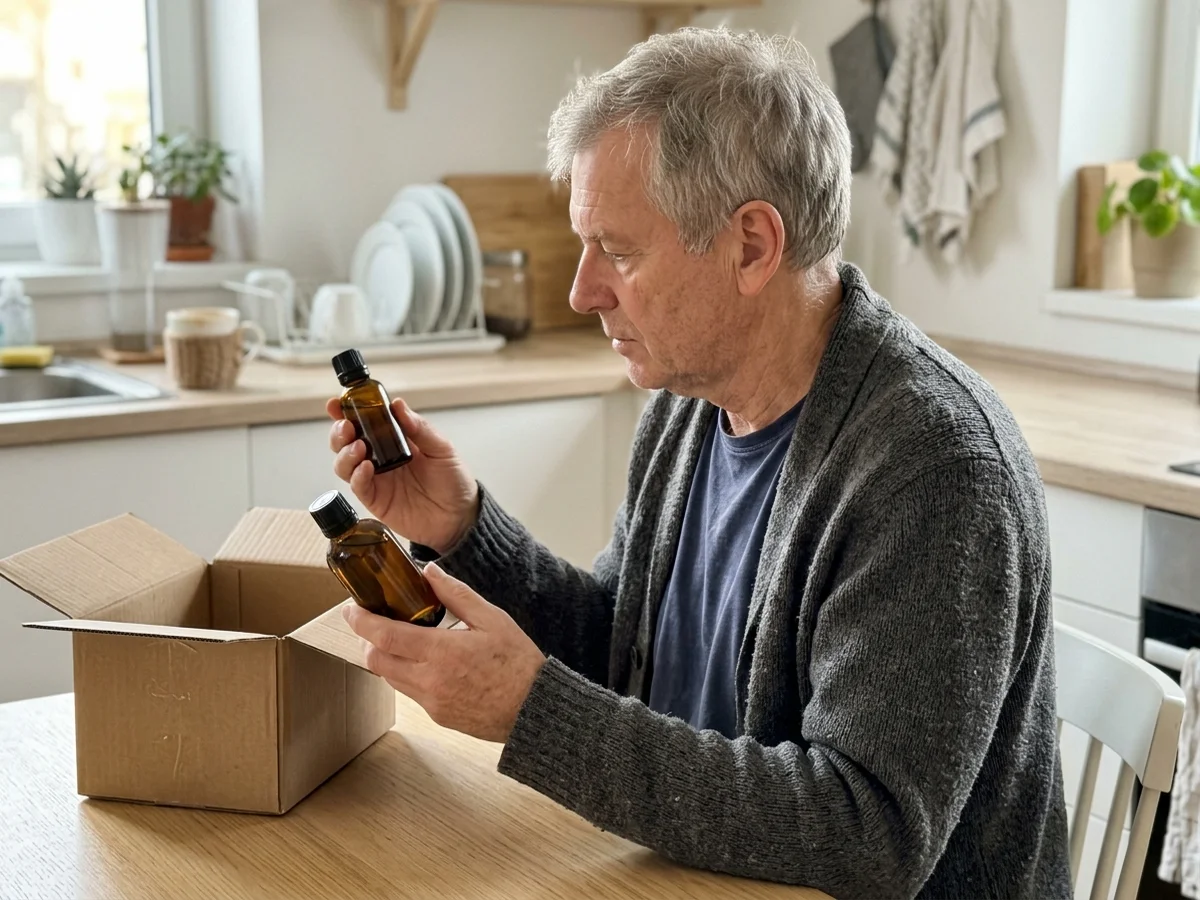
Write the lot number, the date you opened the bottle and a few words about the smell on the box. If a bottle ever smells different from the way it did on day one, you have something to compare it with, and the lot number gives the seller something to look up. If you ever try a second coriander oil, put a strip of each side by side and sniff them together. Differences you would never describe in words become obvious in about ten seconds.
Match the check to the worry, and you will spend your effort where it counts.
Coriander Essential Oil
Coriander Essential Oil from our own shop, in sizes from 0.5 oz to bulk.
From $12.99
Shop Now →