Buying Coriander Oil Online: A First-Order Checklist
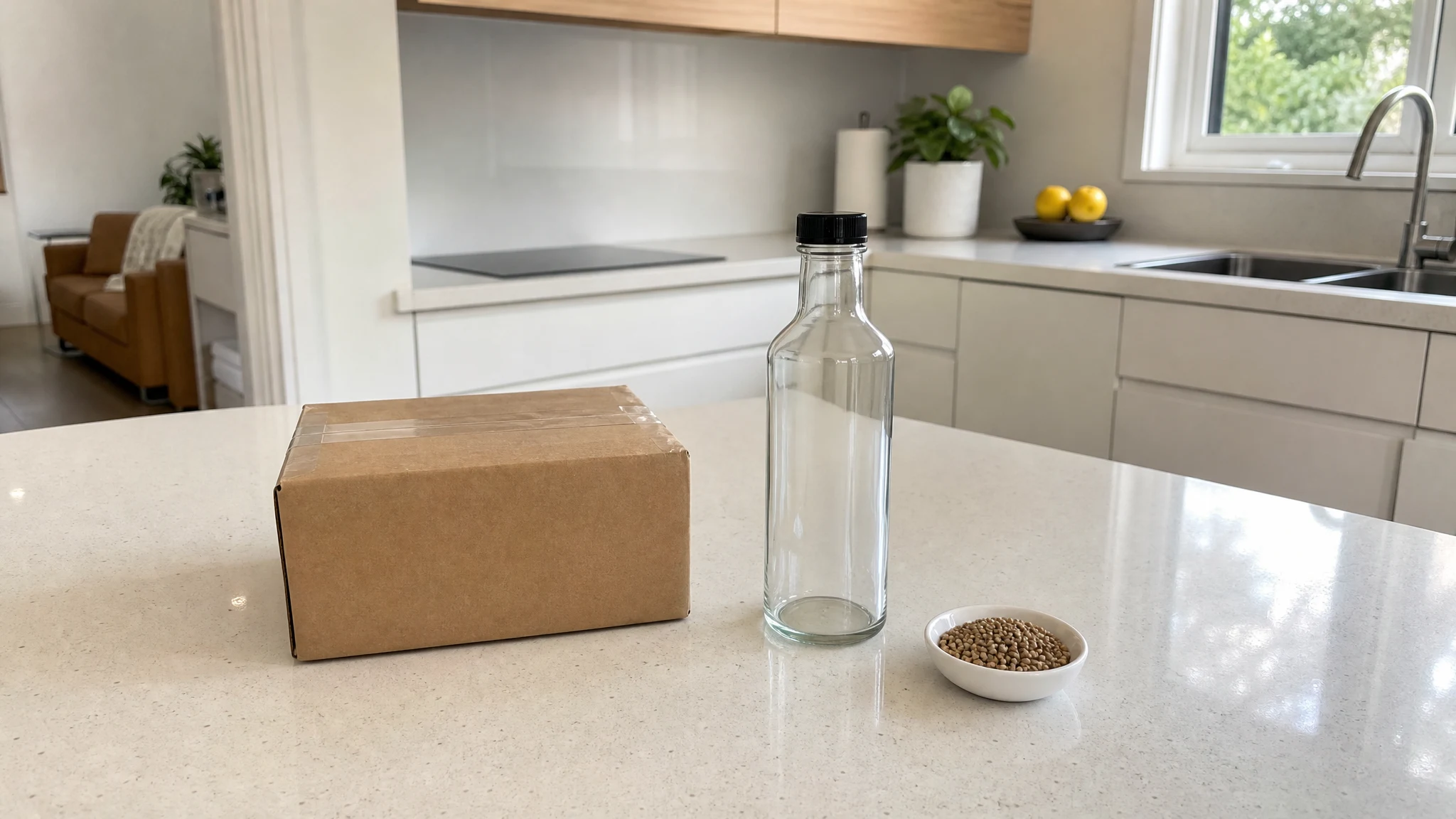
For a first order of coriander seed oil, buy the smallest bottle that covers your project and treat it as a way to learn, not to stock up. The decisions that matter happen in three places: before checkout, when the parcel arrives, and during your first week of use.
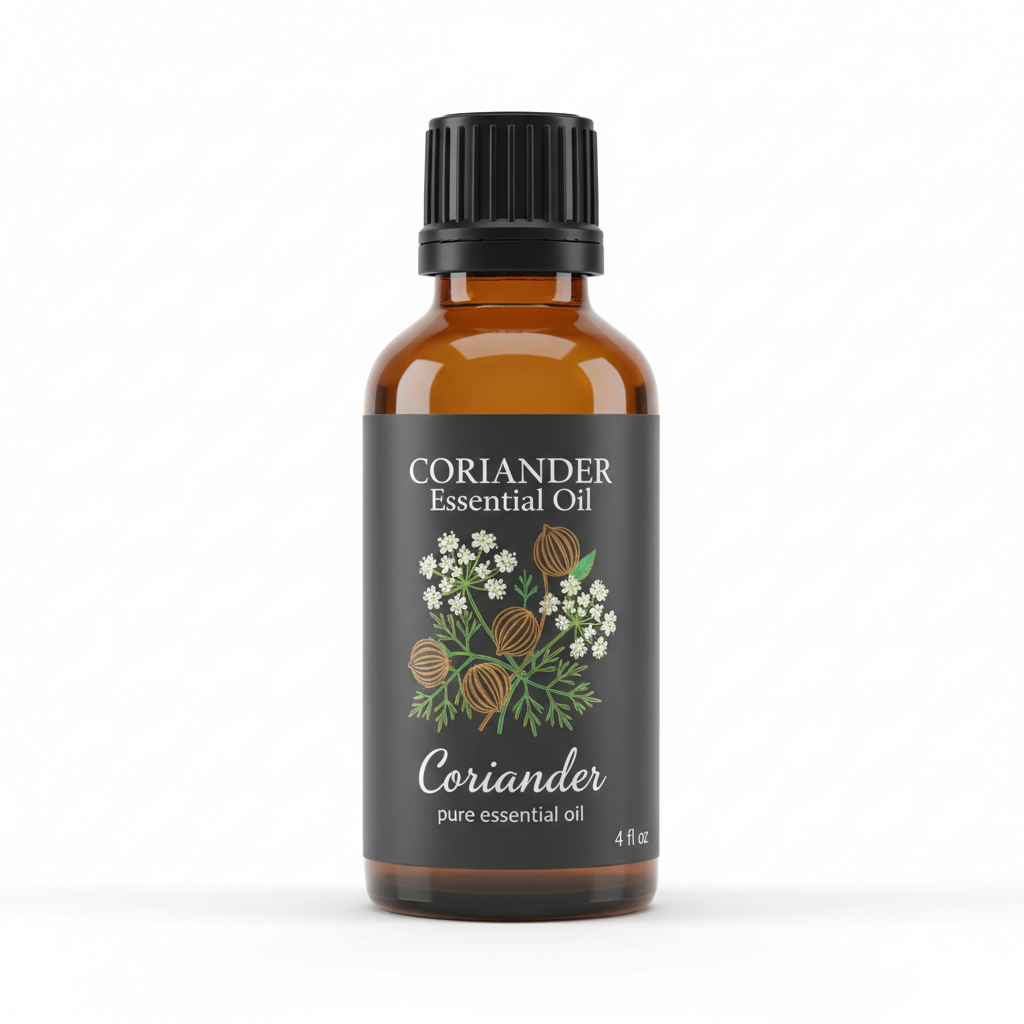
Coriander Essential Oil
Our own Coriander Essential Oil, in sizes from 0.5 oz to bulk.
From $12.99
Shop Now →Before you buy: three questions
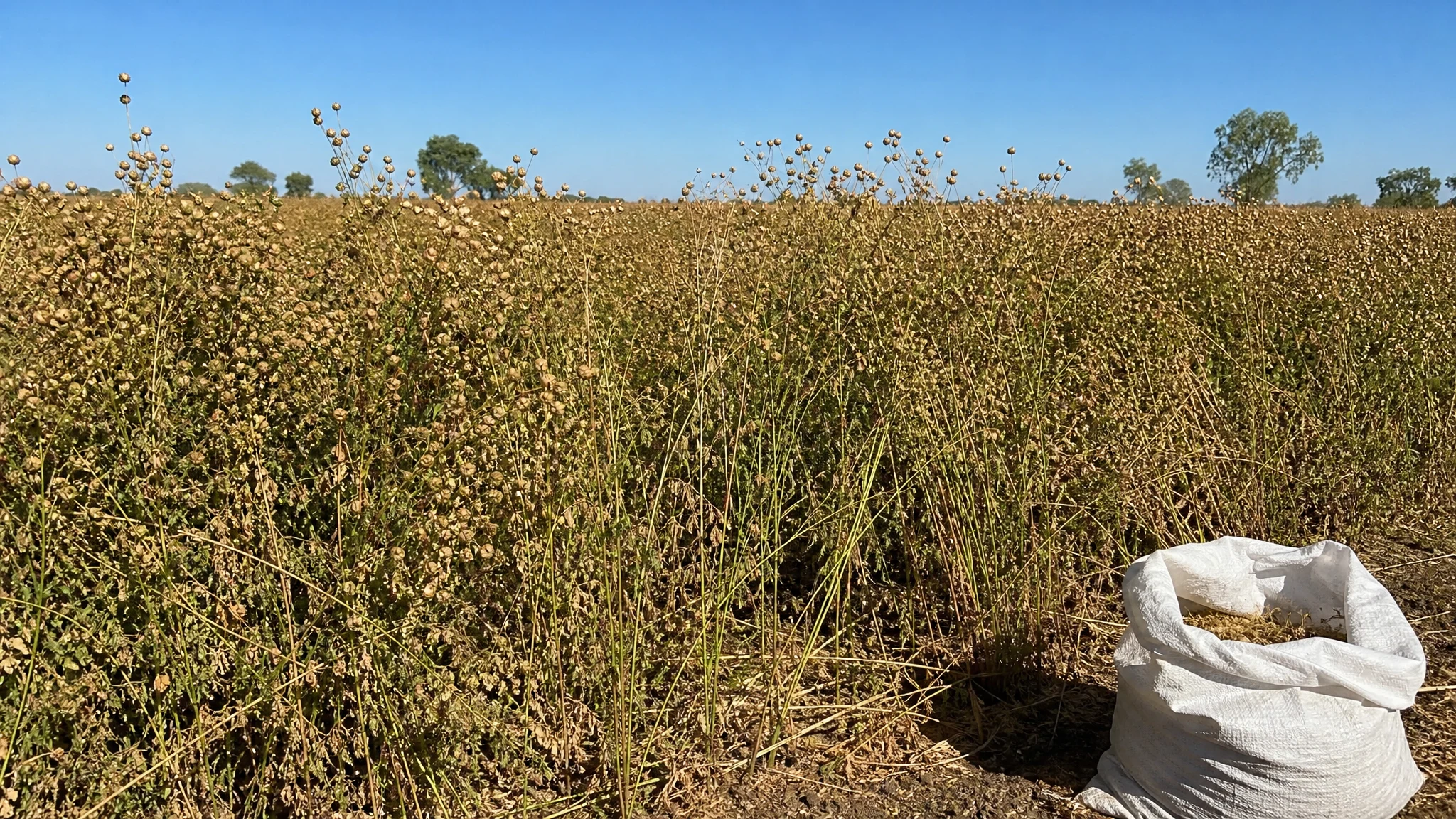
These work with any seller, including us. First, which plant part? Seed oil and leaf oil are different materials. In 11 Portuguese samples, fruit oils were 60 to 73% linalool while aerial-part oils were led by 2-trans-decenal and n-decanal (Machado et al., 2023, coriander fruit and aerial-part oils). Second, which lot is in the bottle, and is there paperwork for that lot? Third, what does the report actually measure?
For our part, the Certificate of Analysis on our site covers one batch (CORFBCUNUSC001A). It lists appearance, smell, a relative density of 0.857 and a refractive index of 1.464. If you need a GC/MS profile or other lot paperwork, ask us in writing through the contact page before you order. And when any GC/MS table arrives, remember the Tisserand Institute's reminder that area percentages are "a practical, commonly accepted approximation, but an approximation nonetheless" (St-Gelais, Tisserand Institute, on reading GC-MS). Our guides to reading a GC/MS report and checking for adulteration go further.
Sizing it with arithmetic
A fluid ounce is 29.57 ml, and the batch on our certificate has a relative density of 0.857, so a millilitre weighs about 0.857 g. A 30 ml body oil at 1% needs 0.3 ml of coriander, around 6 drops at the rough convention of 20 drops per ml. A 0.5 oz bottle holds about 14.8 ml, enough for dozens of batches like that. So the real limit on a small bottle is how long you take to use it, and we say the oil typically lasts 2 to 3 years tightly capped in a cool, dark place. Our sizes article covers the larger bottles.
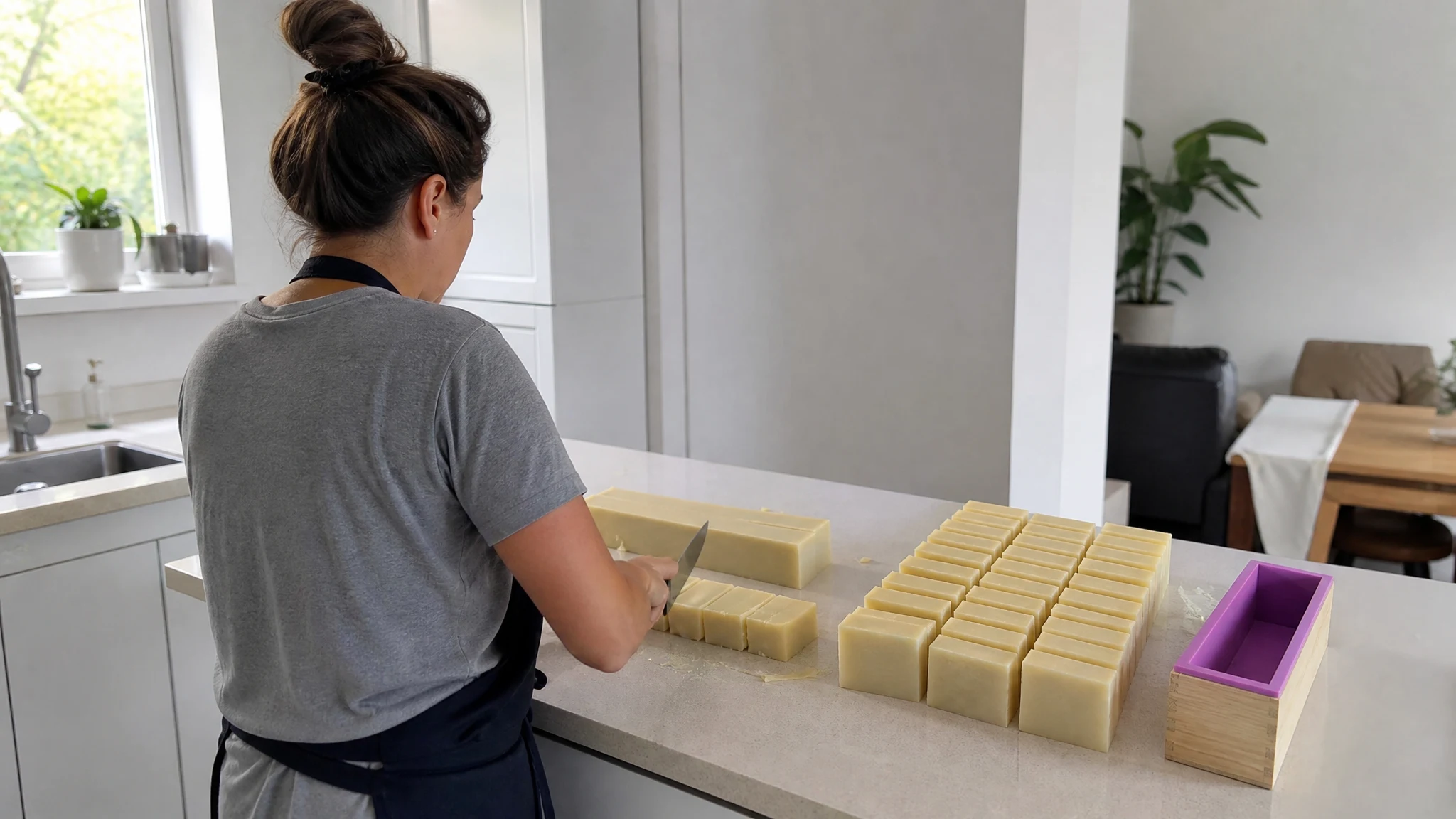
If you are a business evaluating the oil for a product, the wholesale page offers a sample bottle, which lets you run it through your own process before committing to volume.
Start smaller than you think
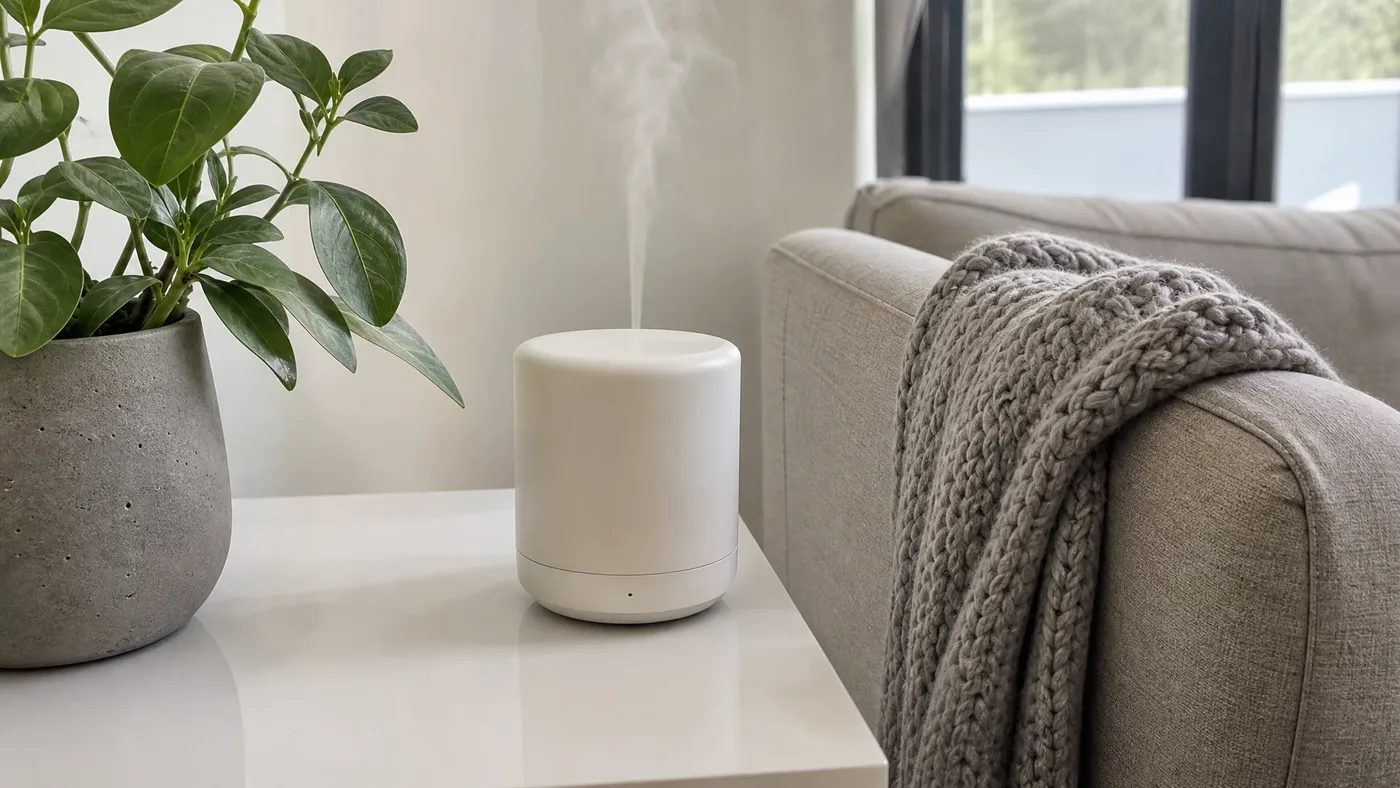
It is tempting to order the biggest bottle that looks sensible, especially when a project feels exciting. We would gently talk you out of it. A first bottle is for learning what the oil smells like in your own kitchen, with your own carrier and your own diffuser, and a few drops teach you that just as well as a few ounces. Once you know you love the warm, softly spicy character, ordering more is easy. Our suggestion is to decide what you will make first, work out the drops, and only then pick the size.
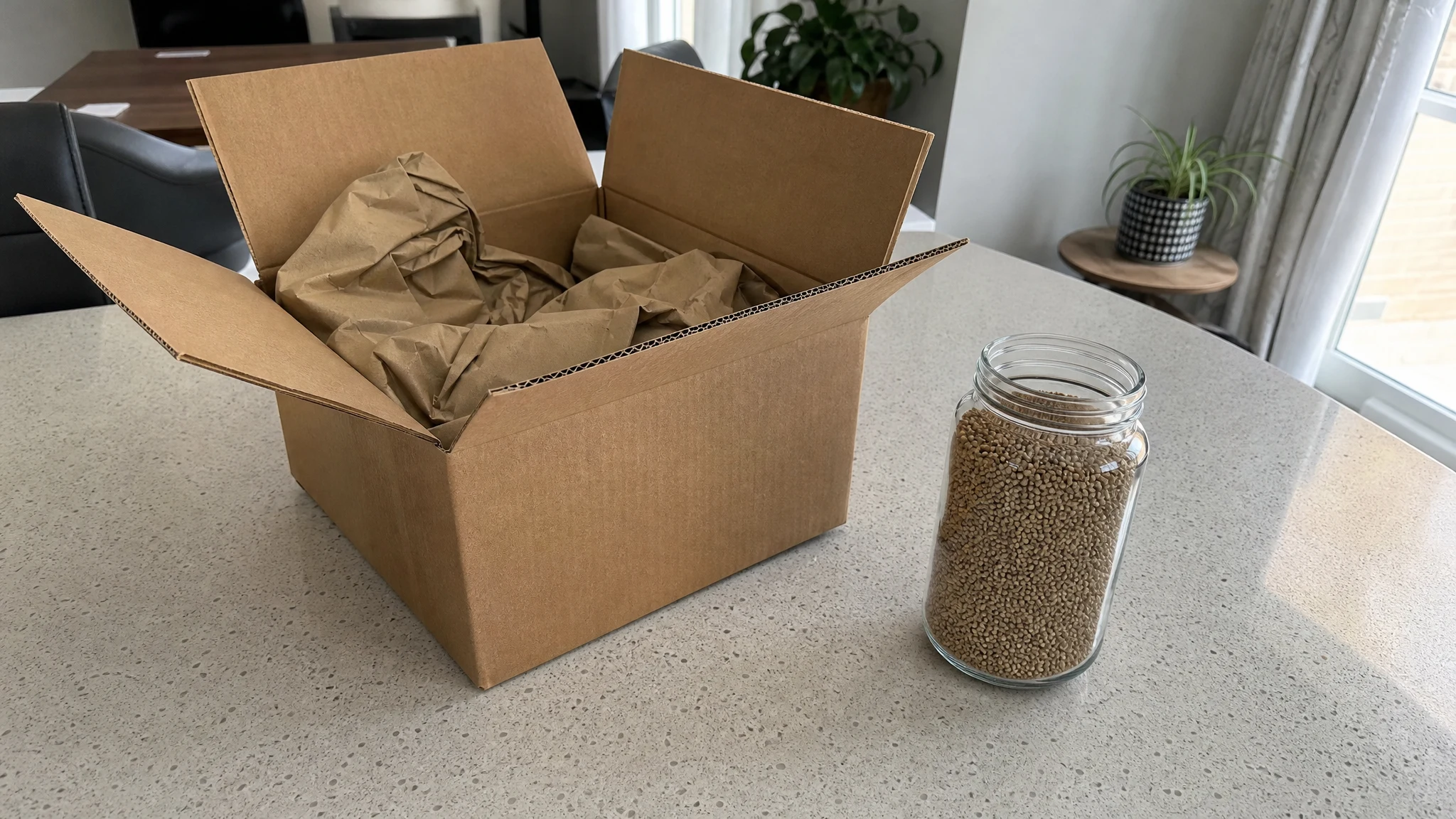
When it arrives
- Glass and cap. Our bottles are amber glass. Check the cap is tight and the neck is dry.
- Label. Look for the plant name, the word seed and a lot number, and keep that number.
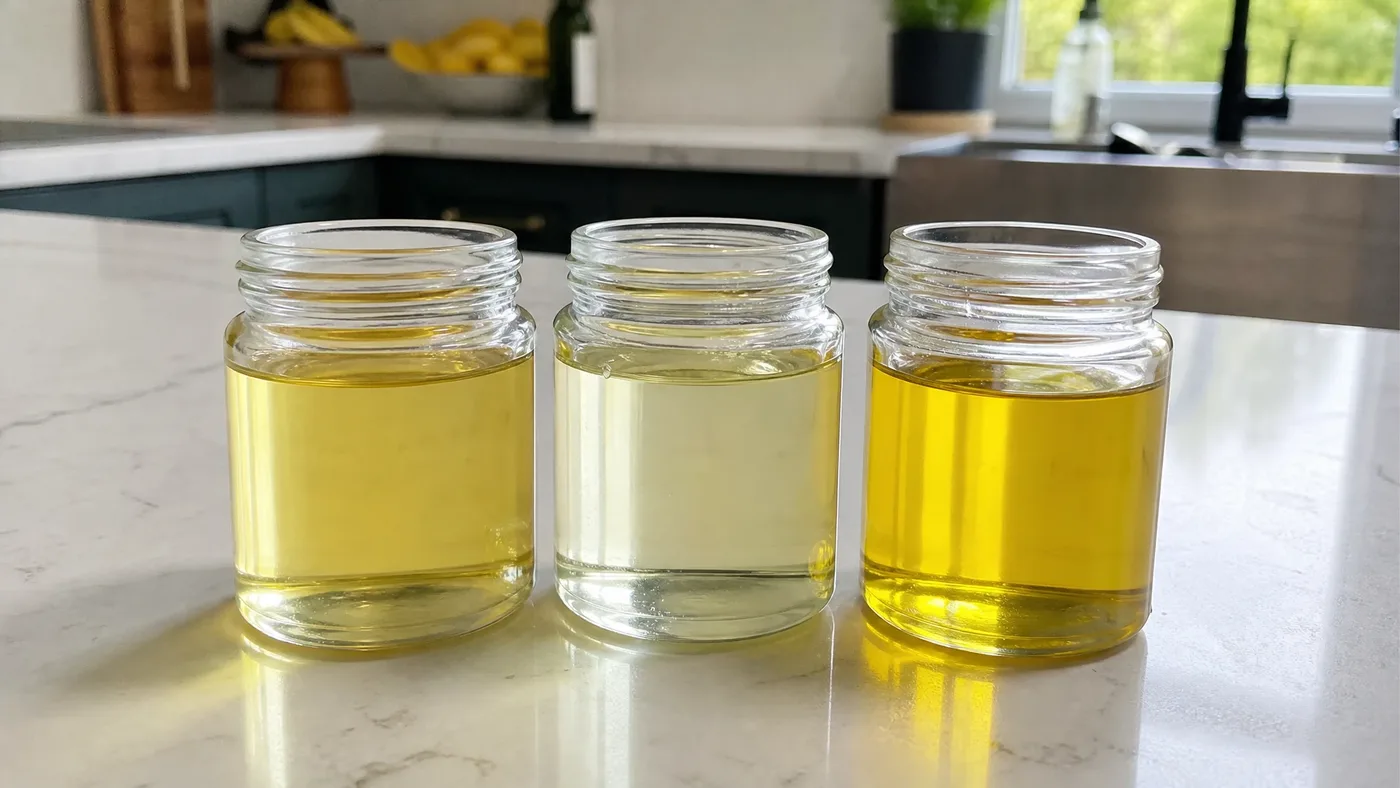
- Appearance. The standard on our certificate is a colourless to yellow liquid.
- Smell on a strip. Smell one drop after a minute and again after ten. We describe the aroma as warm, woody and softly spicy with a light floral edge. If you expect fresh cilantro leaf, this is not it, and our scent profile explains why.
- A note to yourself. Write the date received and opened on the box. If a smell change or reaction comes later, you will know the timeline.
Your first week on skin
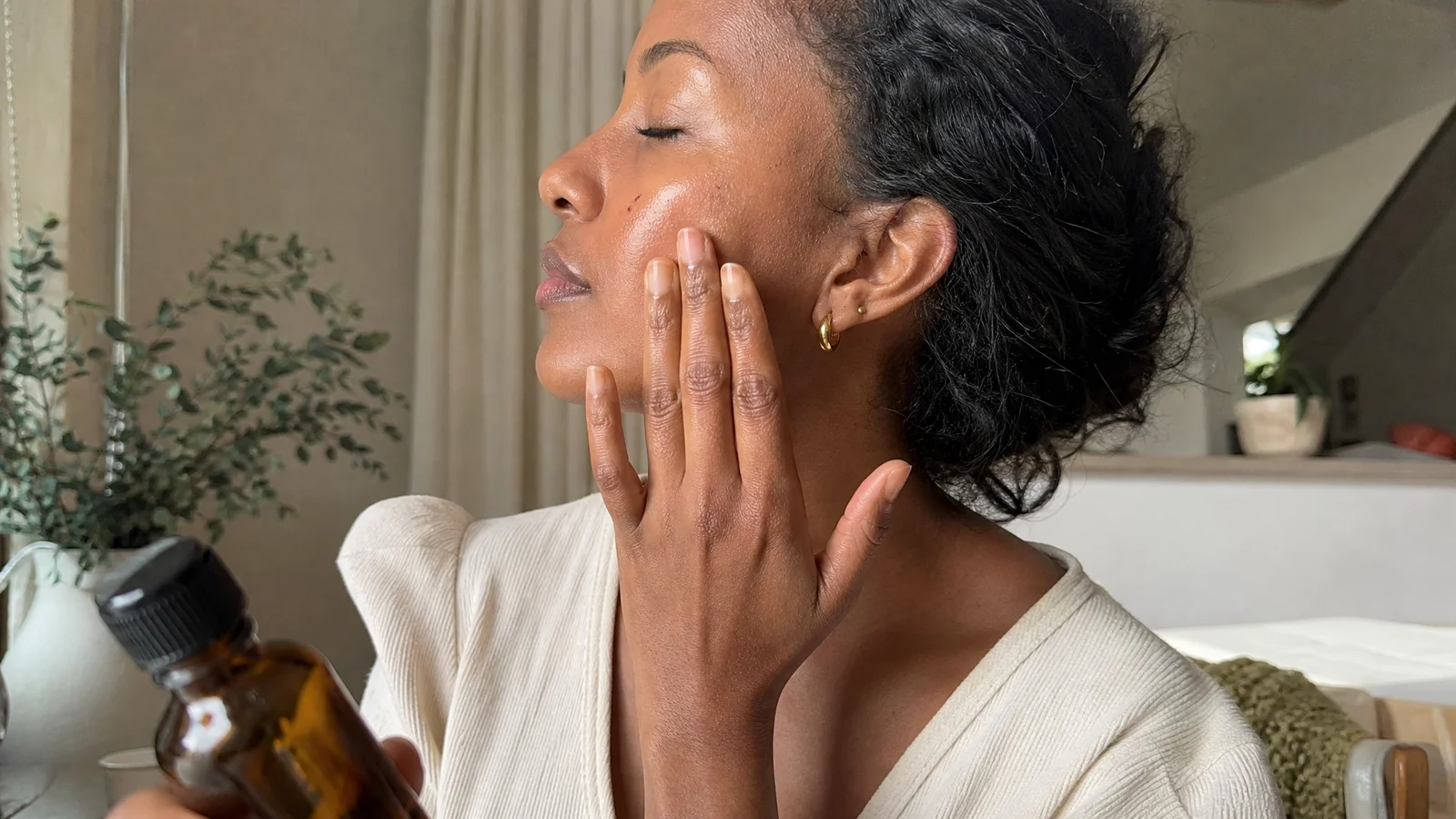
We recommend 0.5% to 2% in a carrier oil, starting at the low end. For delicate areas the Tisserand Institute's ranges are lower: 0.2 to 1% for sensitive skin and 0.5 to 1.2% for the face (Tisserand Institute, dilution guidelines), and where the two differ we would use the lower figure for the area. The Institute also says it does not generally recommend patch testing (Tisserand Institute, irritation and allergic reactions), so think of a patch as a cheap check rather than a clearance. Begin small, use one area, avoid adding other new scented products that week, and stop at itching or a rash. EFSA classes coriander fruit oil as a skin irritant and sensitiser (EFSA FEEDAP Panel, 2023, coriander fruit oil opinion), and anyone with eczema or a known fragrance allergy should ask a dermatologist first. Our side effects article has the long version.
Give it a proper introduction
Before the oil goes into anything, spend a day getting to know it. Put one drop on a paper strip and carry it around the house, sniffing it in the morning and again in the evening. You'll notice the first impression, bright and a little sweet, settle into something rounder and woodier as the strip dries. Jot down a word or two each time. Those notes become your guide when you decide what to blend it with, and they are far more useful than any description we could give you.
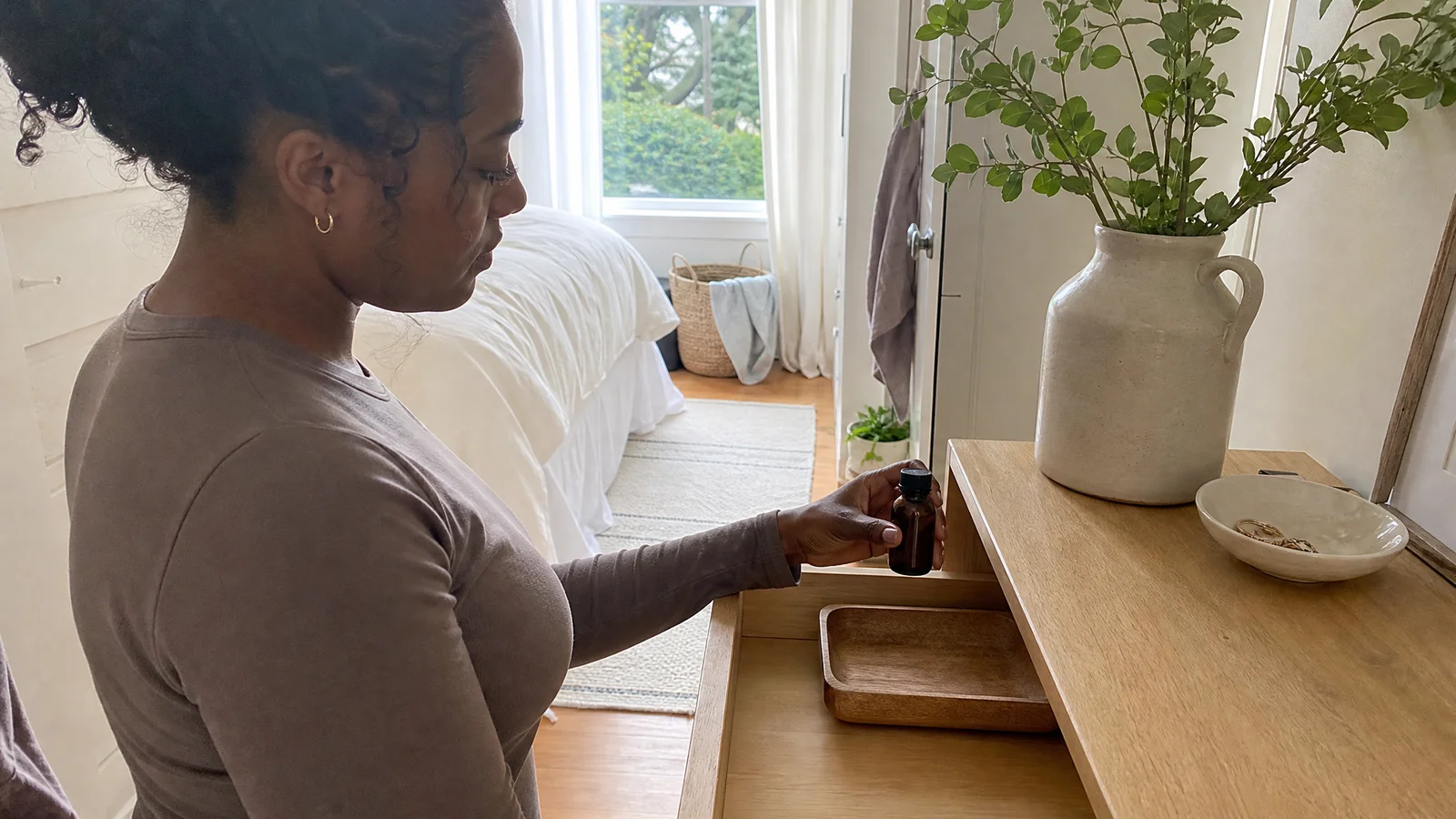
Then give the bottle a home. A drawer or a cupboard away from the stove and the sunny windowsill suits it. Amber glass already does part of the job, and keeping the cap tight and the bottle upright does the rest. Put the box and the lot number together somewhere you will find them again.
Who this oil is not for
If you want a flavouring, this is the wrong product: our oil is an external cosmetic oil and is not for internal use, and our ingestion article reports what the rules say. If you are after the smell of cilantro leaf, you want a leaf oil, because ours is made from the seed.
A small first bottle, a lot number and a paper strip are all you need to judge an oil for yourself. Everything else can wait until you know you like it.
Coriander Essential Oil
Coriander Essential Oil from our own shop, in sizes from 0.5 oz to bulk.
From $12.99
Shop Now →