Where Does Coriander Oil Come From? 4 Questions to Ask
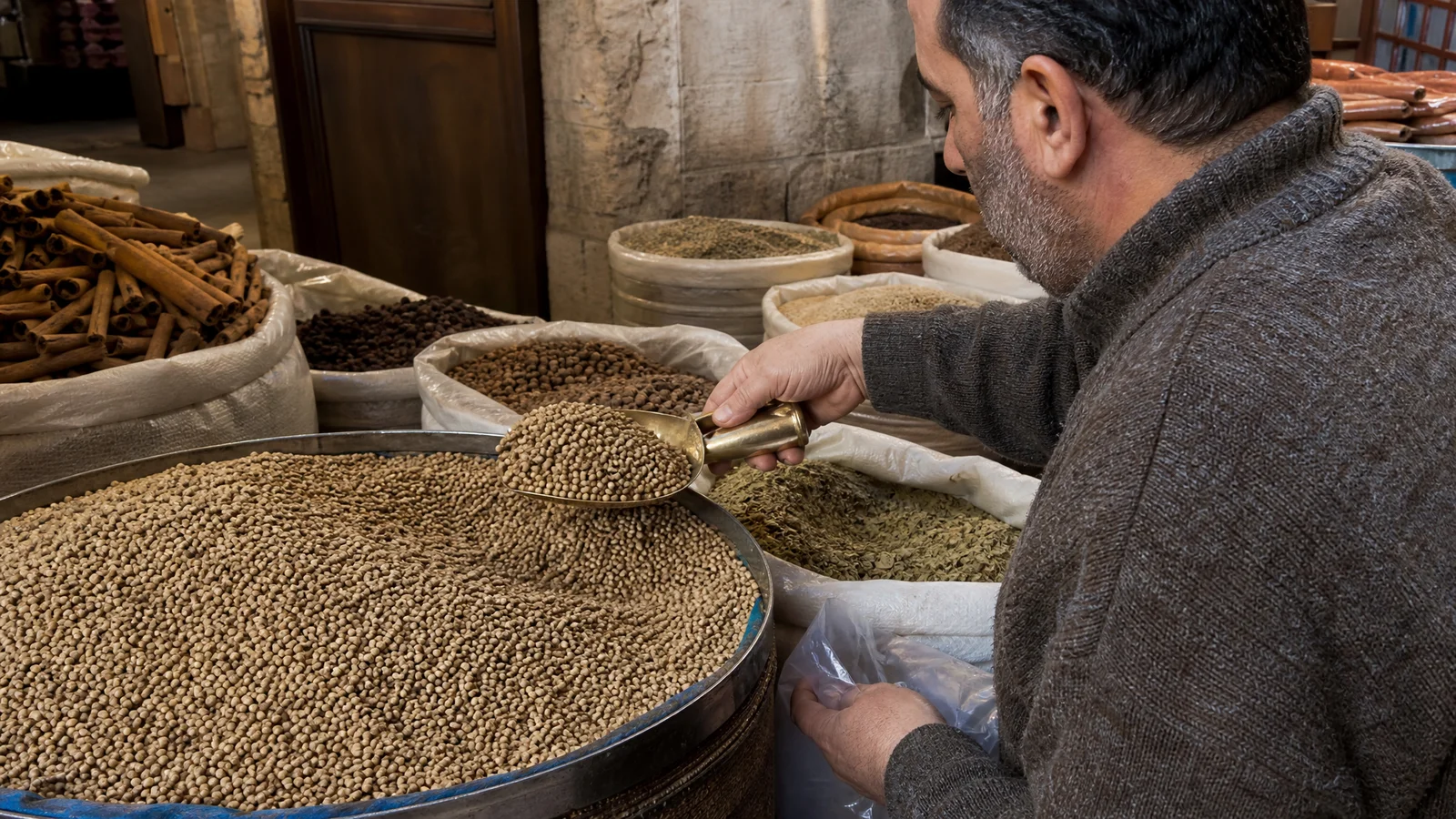
Origin lines on essential oil labels carry a lot of weight in shoppers' minds. A country and a flag feel like proof of something. With coriander, the more helpful move is to treat the origin line as the opening of a conversation and to know which questions come next.
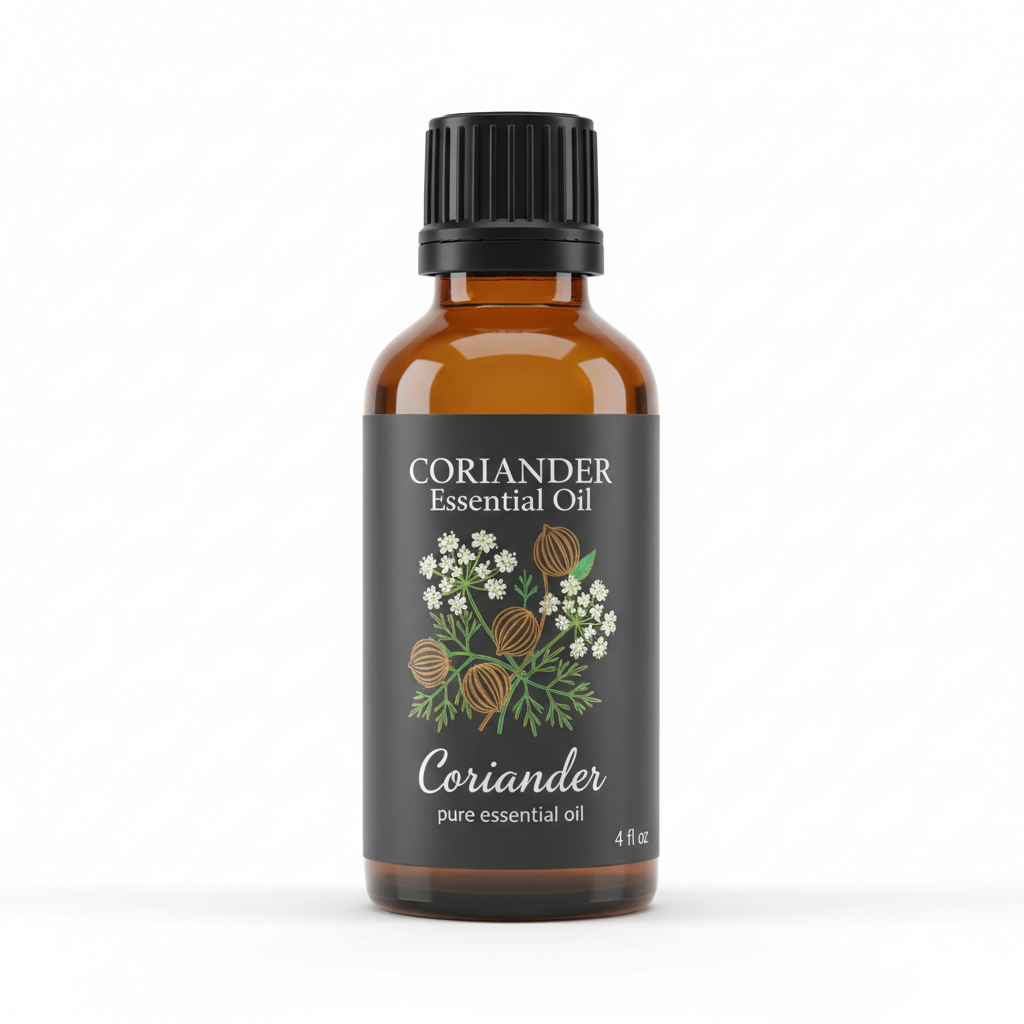
Coriander Essential Oil
Our own Coriander Essential Oil, in sizes from 0.5 oz to bulk.
From $12.99
Shop Now →What a country name does tell you
Origin earns its keep in three ways. It helps a seller trace a lot back to where the seed was grown if anything ever needs checking. It helps you reorder the same thing: if you have built a scent around one lot, asking whether later lots share a source and harvest year is entirely fair. And it feeds customs and trade paperwork. What it does not do is rank oils. The composition studies on coriander show that variety, sowing date and growing conditions swing the oil's linalool share widely, and that lots from one country can differ more than lots from two. We cover that in our piece on why oils from one country can differ.
Why the question comes up so often
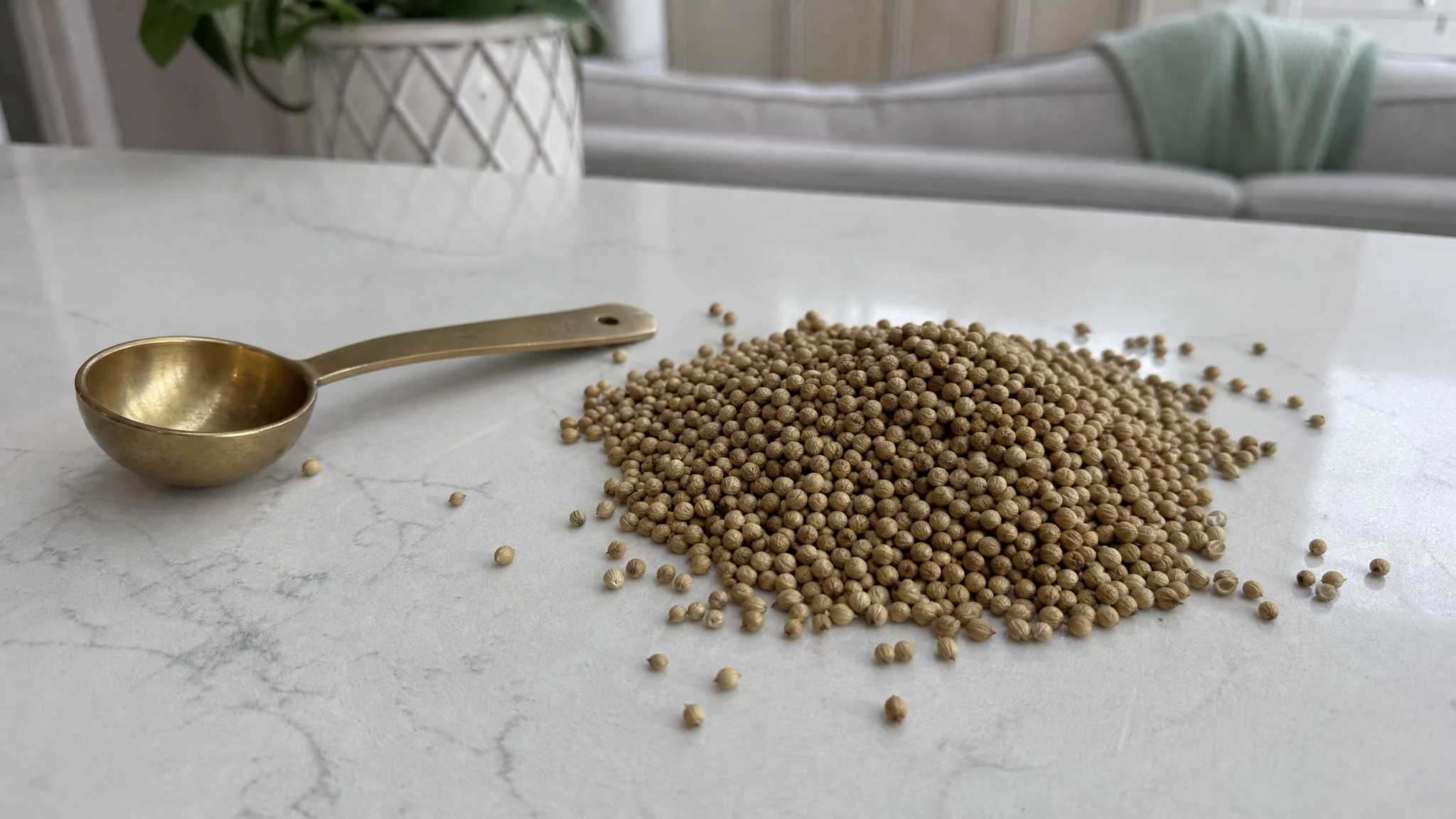
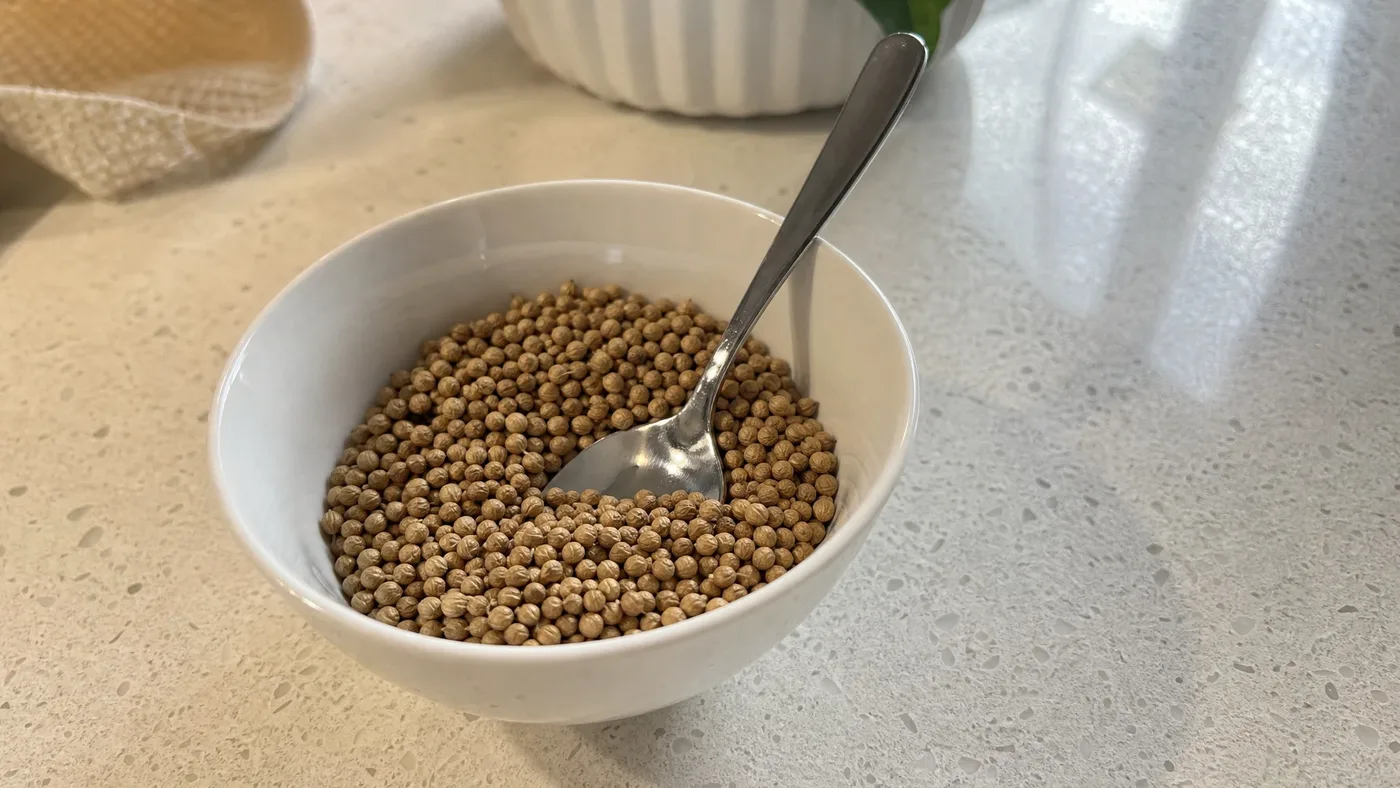
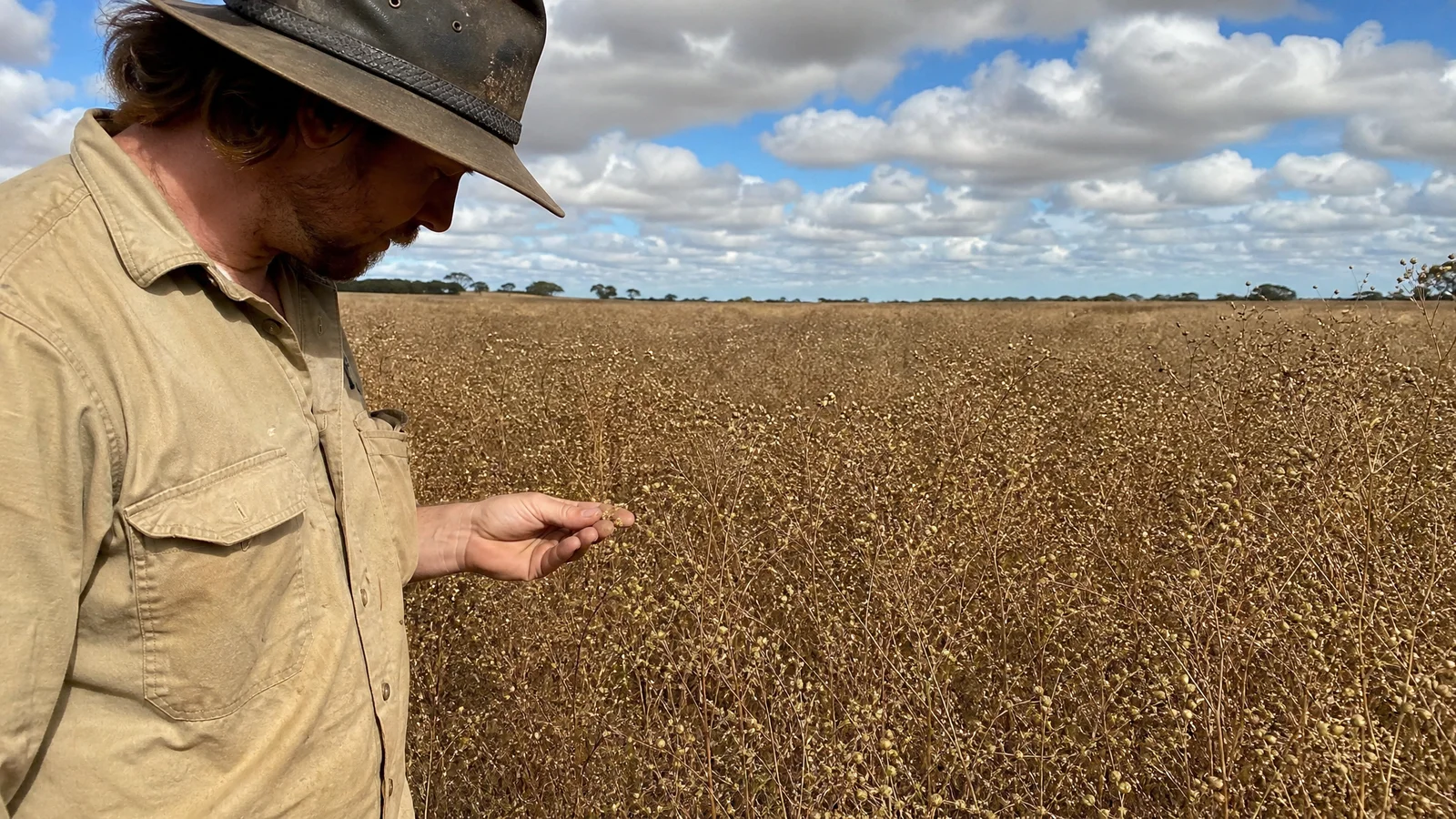
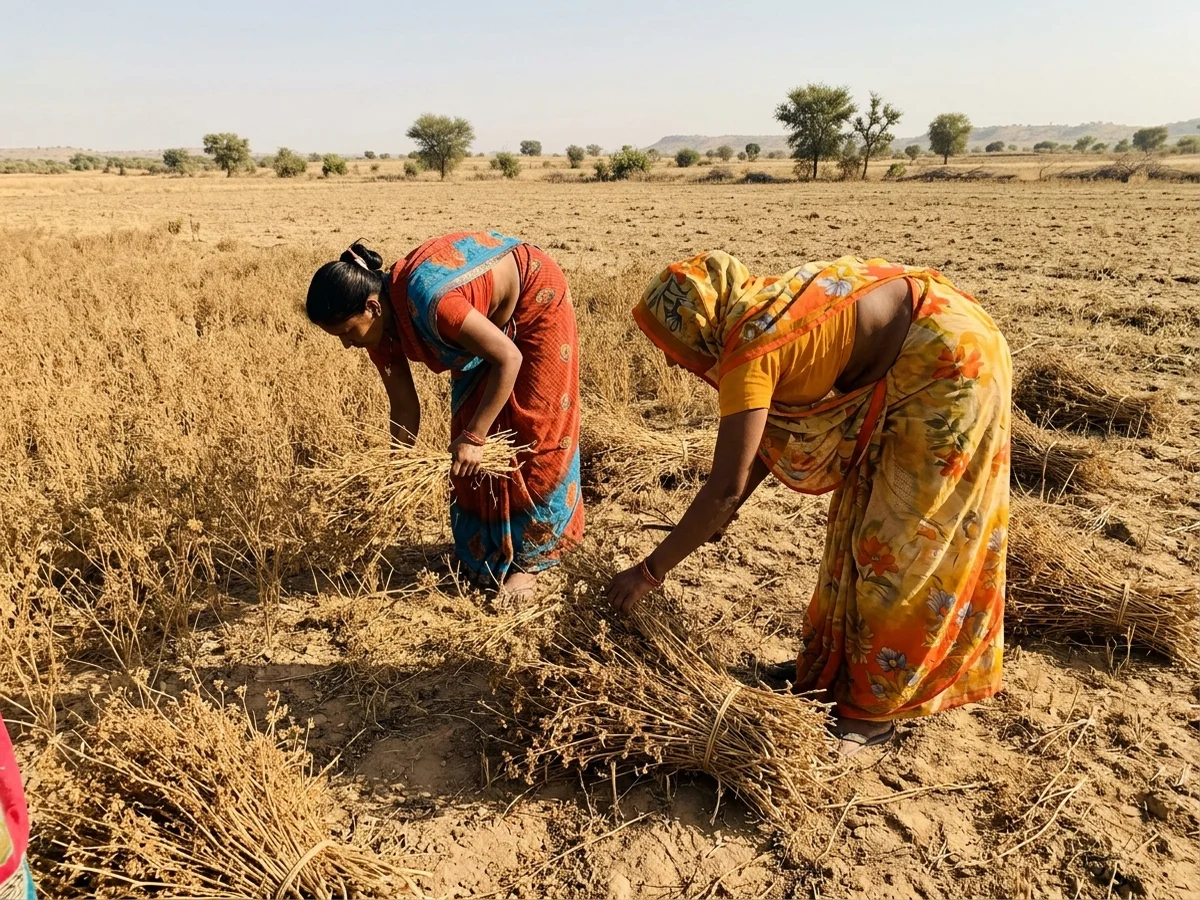
People ask about origin for good reasons. A country name feels like a story you can picture: fields, a harvest, hands. With coriander seed it is easy to imagine a field going to seed in late summer, the seed heads drying and browning on the plant before they are gathered. That picture is a nice one, and the questions below are how you turn it from a feeling into something you can check.
Question one: which plant part?
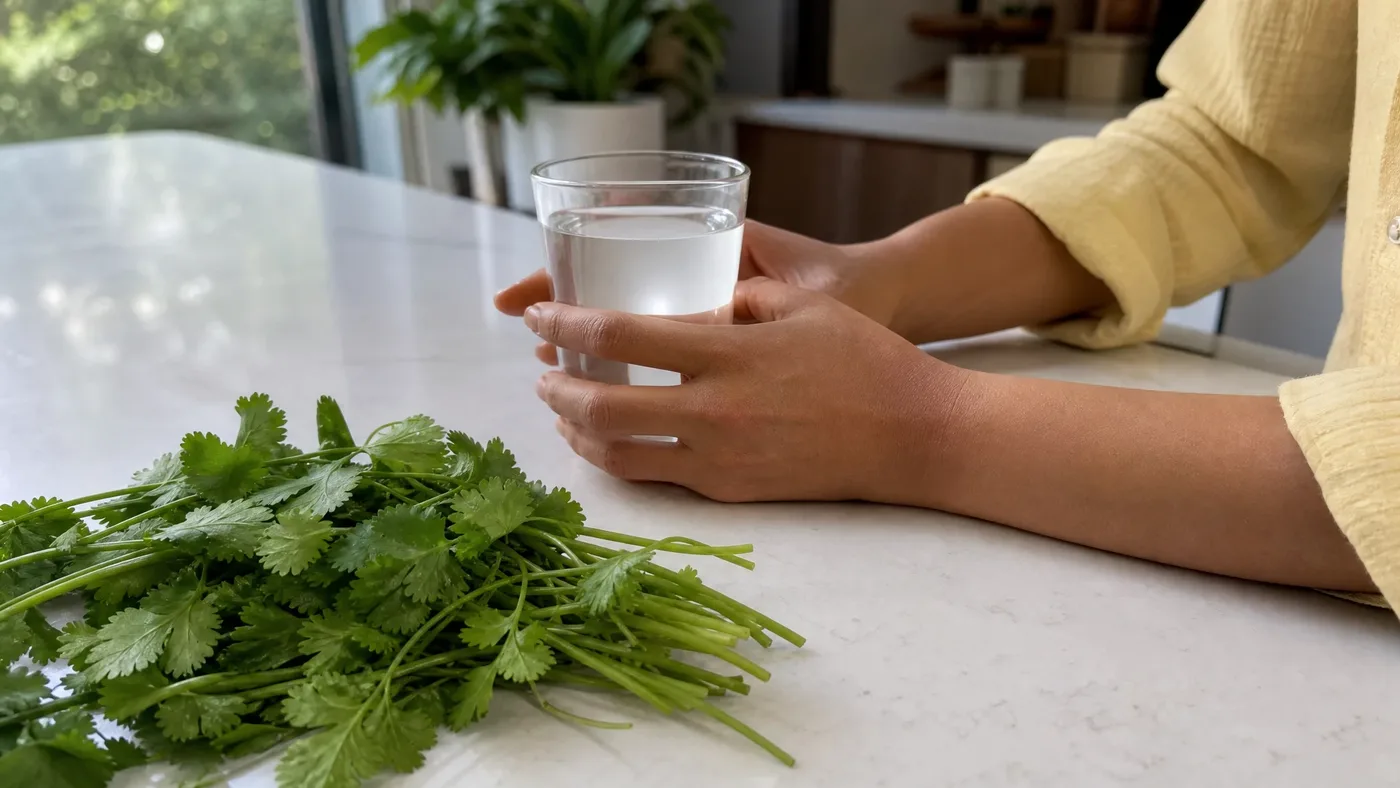
This is the big one. In a Portuguese study of 11 coriander samples, the fruit oils were dominated by linalool, at 60% to 73%, while oils from the leafy aerial parts were dominated by 2-trans-decenal and n-decanal (Machado et al., 2023). Different molecules, different smell: seed oil is warm and softly floral, and leaf oil is the green, sharp scent of fresh cilantro. A label that names a country and leaves out the plant part has skipped the question that matters most. Our seed versus leaf article explains the contrast. Ours is a seed oil, from Coriandrum sativum seed.
Question two: which year and which lot?
Coriander is an annual crop, and each harvest is its own thing. A lot number and a year let both of you talk about the same oil. If the seller cannot tie a bottle to a lot, there is nothing to ask a laboratory about later.
Question three: how was it analysed?
Ask for the chromatography report, and note the detector. The European Food Safety Authority reported the same five batches of a coriander fruit oil two ways: a mean linalool of 71.7% by one detector and 58.72% by another (EFSA FEEDAP Panel, 2023). So a linalool percentage means little unless you know the method behind it, and comparing figures across sellers only works detector to detector. Our GC/MS checklist shows how.
Question four: what will you put in writing?
Whatever the answers are, keep them. A written reply about plant part, year and country for your lot is worth more than a flag on a label.
What a good answer sounds like
A helpful reply is specific and unhurried. It names the plant part, it ties the oil to a lot, and it is honest about what the seller does not know. "We will check and come back to you" is a perfectly good answer; a long paragraph of beautiful words with no lot number in it is not. Watch how a seller treats the questions as much as what is said. You are not trying to catch anyone out, you are trying to learn what you are buying.
It also helps to ask in the order that matters to your project. A hobbyist making a body oil may only care about plant part and storage. Someone making a product line will care about year, lot and paperwork too. Decide which sort of buyer you are before you write, and keep the message short.
A short list to keep beside you
- Plant part: seed or leaf?
- Botanical name: Coriandrum sativum?
- Year of harvest and lot number
- The method behind any linalool percentage
- The reply in writing, saved with your order
Be patient with the reply
Good answers sometimes take a few days, especially when a seller has to check on a lot. Give them the time, and mention what you are making so they know what matters. A short, friendly message that says who you are, which oil you are asking about and which three things you need to know will usually get a faster and clearer reply than a long list.
Keeping your own records
Once you have answers, treat them as part of the recipe. Note the lot number from the bottle, the date you opened it and anything you were told. If you make something you love, you will want to make it again, and the notes are what let you ask for the same oil next time instead of "the one from last spring". Two lines in a notebook now save a lot of guessing later.
We sell a single coriander oil, from the seed. The Certificate of Analysis we publish covers one batch and gives density, refractive index, appearance and smell, plus the botanical name and plant part. If origin, harvest year or GC/MS data matter for what you are making, write to us through the contact page before you order and we will tell you what we can.
Good sourcing questions are never rude, and the sellers worth buying from tend to like answering them.
Coriander Essential Oil
Coriander Essential Oil from our own shop, in sizes from 0.5 oz to bulk.
From $12.99
Shop Now →