How to Diffuse Coriander Oil: Drops, Timing, Tips
Coriander oil in a diffuser is a quiet pleasure: a warm, softly spicy, lightly floral scent that fills a room without announcing itself. Because it is that subtle, the best approach is a small amount and a short session. You can always add a drop, but you cannot take one back out of the water.
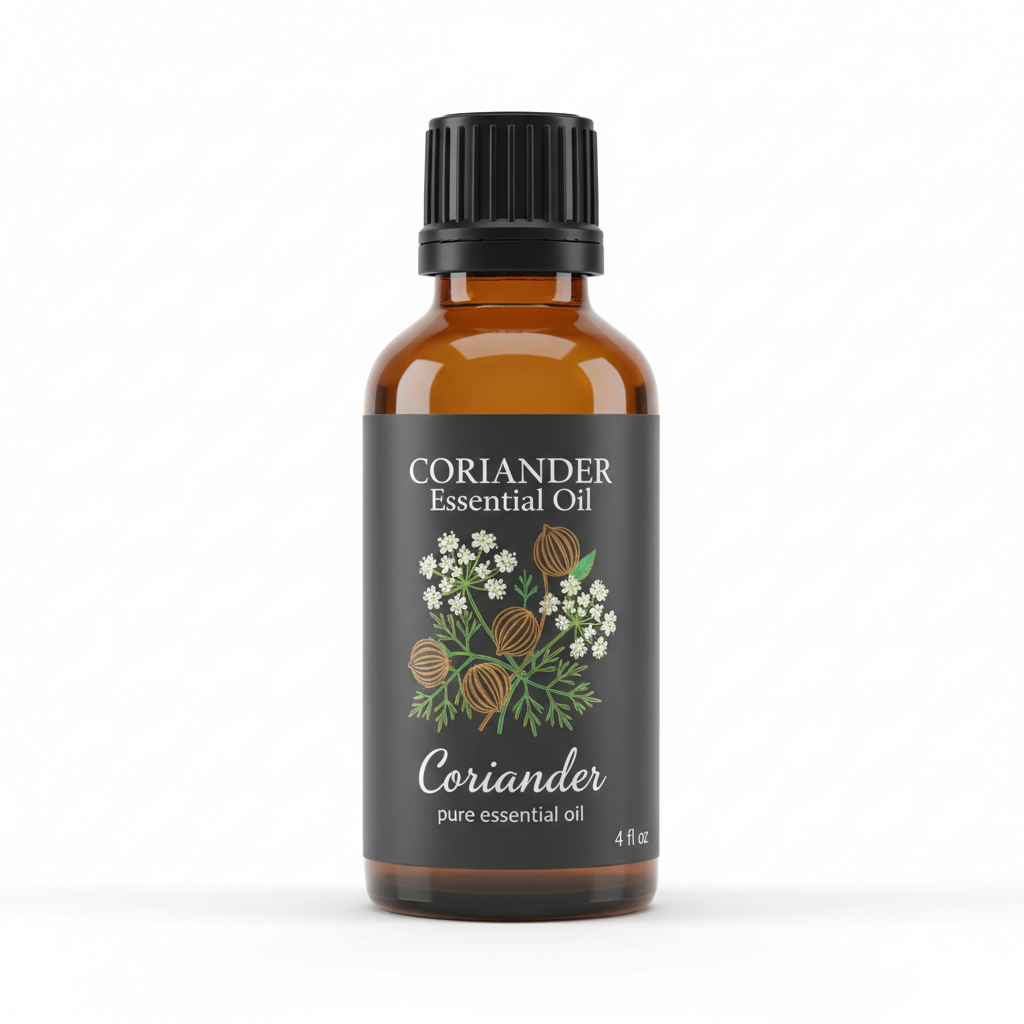
Coriander Essential Oil
Our own Coriander Essential Oil, in sizes from 0.5 oz to bulk.
From $12.99
Shop Now →Start smaller than you think
It helps to think of the first session as an introduction rather than a performance. You are not trying to fill the room with scent. You are simply getting to know the oil, and the lighter your touch, the more you will notice about how it behaves.
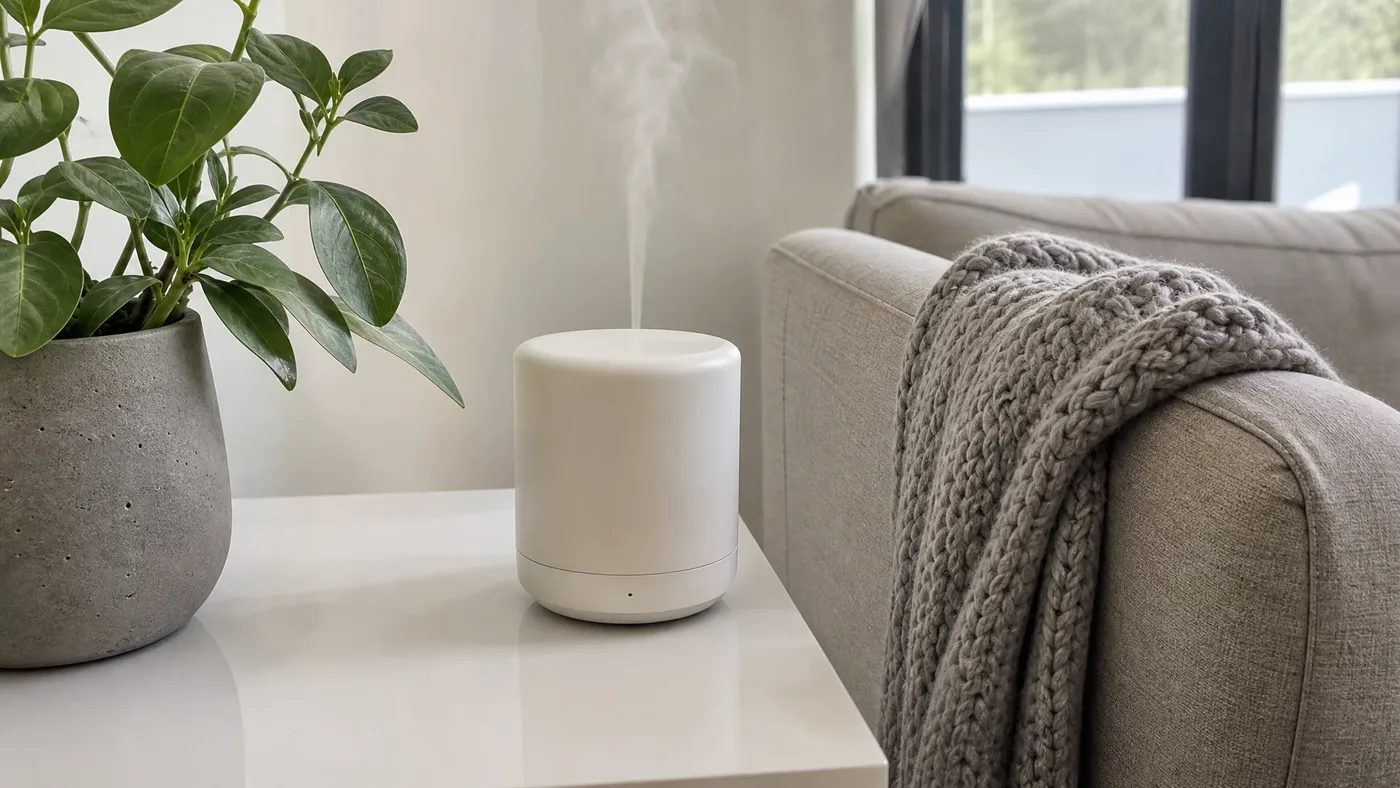
Every diffuser is different, and the drop guidance belongs to the device maker, so check your manual first. Then start below it. We describe this oil as one where a little goes a long way in a diffuser, and the practical translation is two or three drops in a small ultrasonic tank on a first run. If you cannot smell it after a few minutes, add one drop on the next session and see how that feels.
A nebulizing diffuser works differently. It atomises neat oil with no water to dilute it, which makes it intense, so the control you have is time rather than drops. The Tisserand Institute's inhalation guide says barely perceptible, low-level diffusion is fine for several hours, while intense diffusion is best run intermittently, and that the benefits of a scent tend to tail off after 30 to 60 minutes (Tisserand Institute, essential oil inhalation). A timer on the diffuser handles that for you.
One note on numbers: the 0.5% to 2% we recommend is a skin dilution in a carrier oil, roughly 3 to 12 drops per ounce. It does not translate to a diffuser, so leave it at the bench.
Noticing what the room tells you
The best measure of a good session is what happens when you walk back in after a short break. A nicely judged amount greets you softly, as a warm, spiced note with a hint of citrus and a floral edge, and fades into the background after a minute. If the scent hits you like a wall, it was too much, and if you have to hunt for it, add a drop next time. Keep a scrap of paper by the diffuser with the date, the drops and the time, and you will quickly find your own number.
Choosing the type of diffuser
- Ultrasonic units use a little water and make a fine mist. They are gentle and easy, and they ask for a clean tank and fresh water each time.
- Nebulizers are the strongest and use the most oil, so they suit short bursts in a larger room.
- Heat or candle diffusers warm the oil in a dish. We lean toward the methods without a flame or heating element, since coriander's scent is delicate and a gentle mist keeps it that way. That is a preference and not a rule.
A simple routine
Open a window a little, run the first session for about 30 minutes, then step out and come back in. If the room already smells fairly strong when you return, you used enough, and you can use a drop less next time. Air the room afterward. If anyone in the room gets a headache, a cough or itchy eyes, switch the diffuser off and let in fresh air.
Fresh oil also makes a difference. Linalool, the main compound in coriander seed oil, reacts slowly with air, and the oxidised form is better known for skin reactions than for scent. Keeping the bottle capped, cool and out of the light protects the aroma too, and our storage article walks through the habits.
Pairing the scent with the moment
A scent feels best when it suits the room. Coriander, with its warm, rounded character, fits well in a kitchen corner, a reading nook or a hallway where you want a welcome as people come through the door. It is less at home in a small, closed bathroom where the air is already full of other fragrance. Think about where you spend your time, and put the diffuser where the scent will be appreciated rather than where it will compete.
Cleaning up
Once a session ends, empty the tank, wipe it with a soft cloth and let it dry. Old water and leftover oil can smell stale, and a clean tank lets the next batch smell the way you expect. Follow the maker's instructions for deeper cleaning, since each device has its own rules.
Who should think twice about a diffuser
Some households are better off without one. The American Lung Association notes that essential oils are concentrated, that inhaling them can irritate the airways, and that people with asthma or COPD may be especially sensitive, so it suggests asking a healthcare professional first (American Lung Association, essential oils). The same goes for shared rooms: the Tisserand guide asks you to consider other people and pets who use the space. We keep our oil away from children and pets, and our articles on children and pets have more, though your pediatrician or veterinarian is the right person for specifics.
If you enjoy blending, we list bergamot, black pepper, cypress, jasmine, lavender and sweet orange as partners for coriander. You would pick those up from another supplier, and our blending guide is a good place to start. Coriander on its own is lovely too, and sometimes the quietest scent in the room is the one people keep noticing.
Coriander Essential Oil
Coriander Essential Oil from our own shop, in sizes from 0.5 oz to bulk.
From $12.99
Shop Now →