How Is Coriander Oil Made? From Ripe Seed to Bottle
Coriander seed oil is made by passing steam through crushed, ripe coriander fruit and collecting what the steam carries out. The equipment is the least interesting part. In the published work, two things change the oil most: how ripe the fruit is when it is harvested, and how long the still runs.
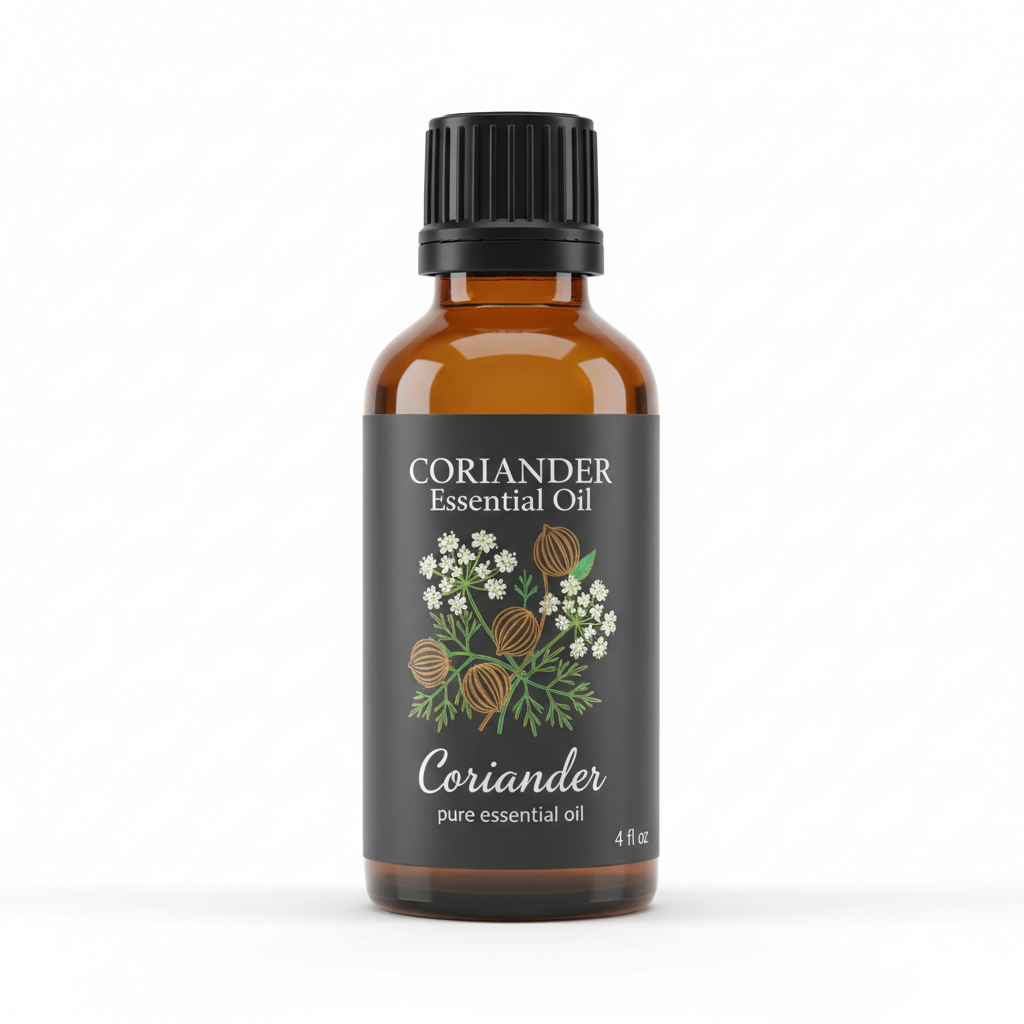
Coriander Essential Oil
Our own Coriander Essential Oil, in sizes from 0.5 oz to bulk.
From $12.99
Shop Now →Ripeness changes everything
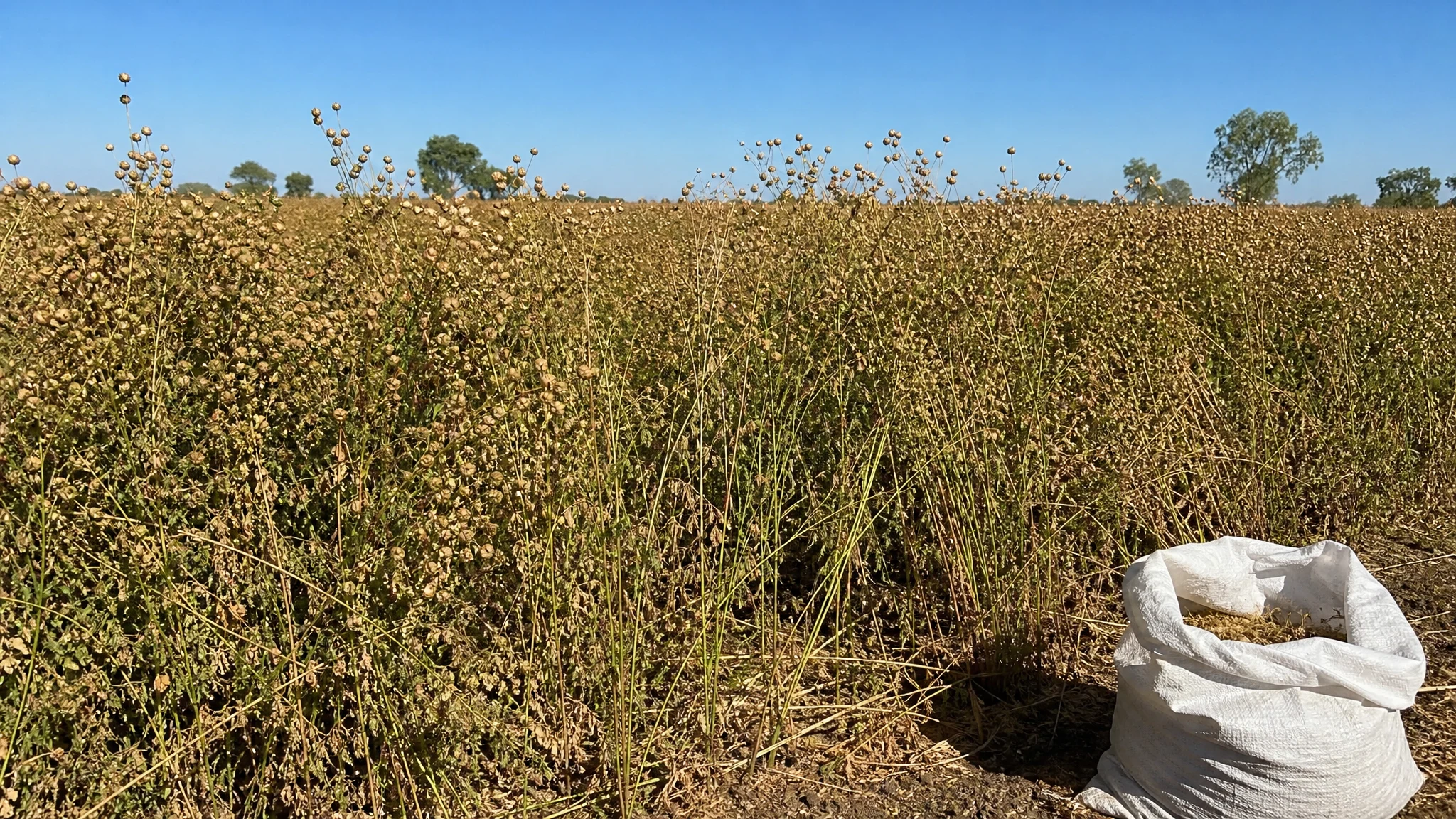
Start with a common misconception: that any coriander seed will do. A 2007 study in Food Chemistry distilled coriander fruits at three stages of maturity. Immature fruit was dominated by geranyl acetate (46%), with linalool at only 11%. Mid-stage fruit reached 76% linalool, and fully mature fruit 88%, with yield rising as the fruit ripened (Msaada et al., 2007, coriander fruit maturity). It is one study from one place, so take the pattern, not the exact figures. The pattern is why ripeness matters: our seed is ripe seed, gathered when it is dried and browned on the plant, then cleaned and sorted. Green or mixed seed would give an oil with less linalool and a different smell.
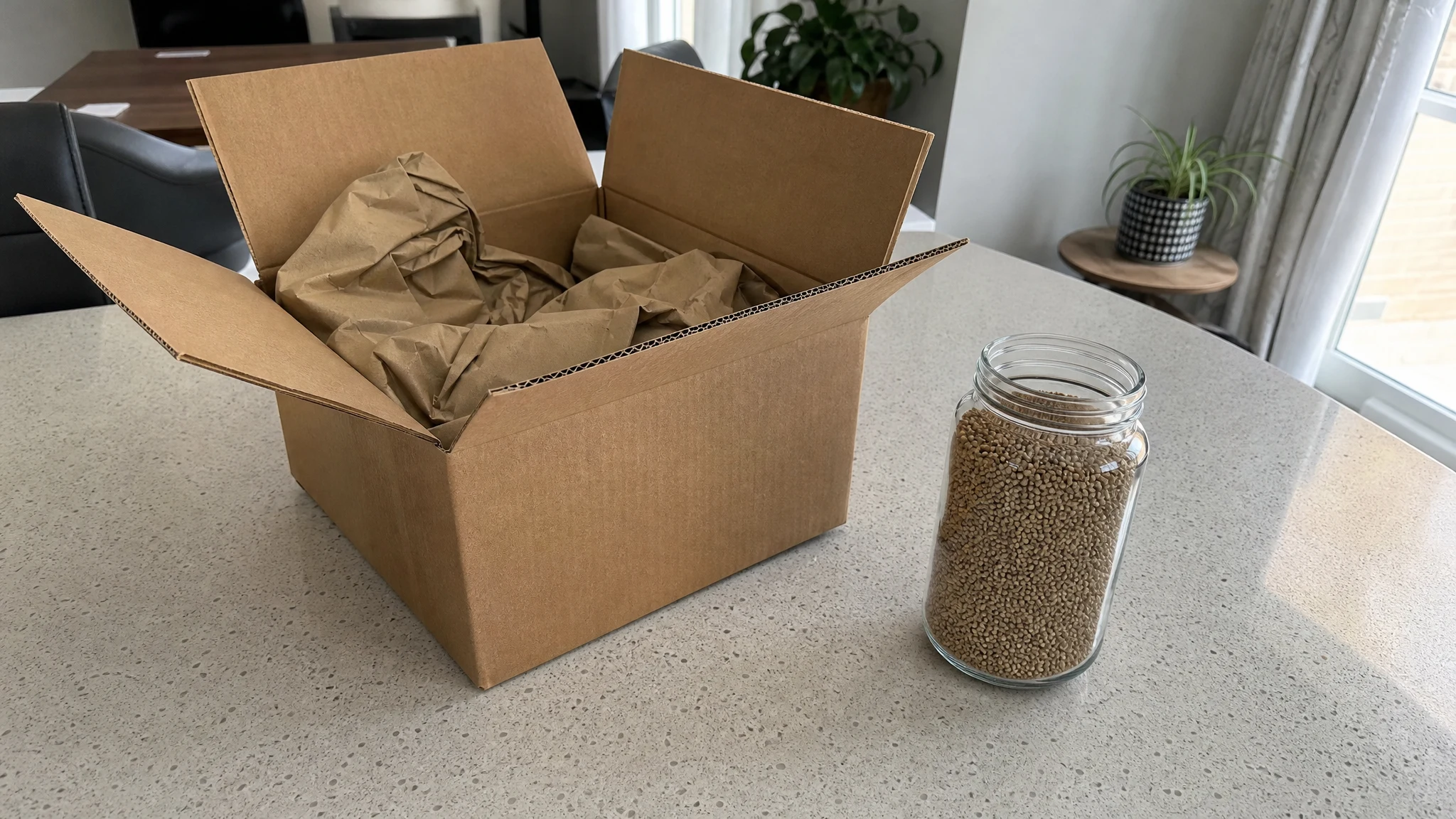
If you have ever opened a jar of whole coriander seed, you already know the smell that all this effort is chasing. Crack one open between your teeth or your fingers and you get warmth, a bit of sweetness and a faint citrus. A bottle of oil is that smell gathered up from a great many seeds, and the patience that goes into collecting it is part of why we enjoy it so much.
Seed, fruit and the label
What we call a coriander seed is botanically the dried fruit. EFSA's panel notes that "coriander" is restricted to the dried fruit, while the leafy parts are called cilantro, and that the oil is extracted from the crushed mature fruit by steam distillation (EFSA FEEDAP Panel, 2023, coriander fruit oil opinion). The two parts give strikingly different oils: in 11 Portuguese samples, fruit oils were 60 to 73% linalool, while aerial-part oils were led by 2-trans-decenal and n-decanal (Machado et al., 2023, coriander fruit and aerial-part oils). Our seed versus leaf article explores the smell.
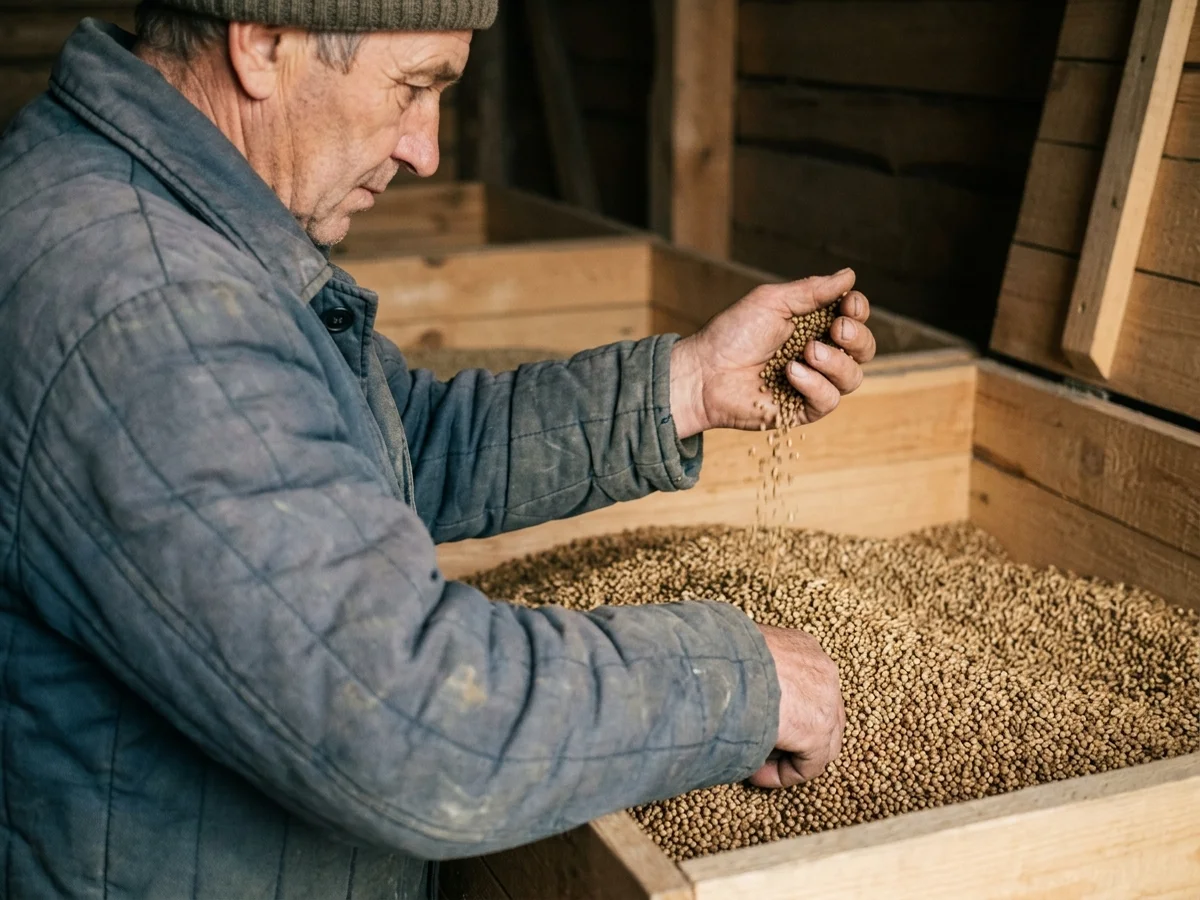
Cracking the seed
The oil lives inside the fruit, so the seed is cracked before it meets steam. A coarse crack opens the fruit without turning it to powder, which is sensible reasoning, though we found no study that isolates the effect of particle size on coriander yield, so we offer no figure.
What we can say is that the yield is modest. Dried seed from Iranian accessions gave 0.1 to 0.36% oil (Nejad Ebrahimi et al., 2010, coriander seed oil content). At those yields, a kilogram of oil takes somewhere between 280 and 1,000 kg of seed, by our arithmetic. That is a big part of why seed oils cost what they do, a point our cost article explores without quoting prices.
Steam, condensing and separating
The steps are the same for most crushed-fruit oils. Steam carries the volatile compounds out of the plant material, the vapour is condensed, and the oil floats off the water and is separated by decanting (EFSA FEEDAP Panel, 2022, black pepper oil opinion, describing the process for another crushed-fruit oil). Two products come off the still, the oil and the water, and ours is the oil. One note on the research: several of the studies in this post used hydrodistillation, where the seed sits in boiling water, while the pharmacopoeia definition is steam distillation, where steam passes through it. The two are close relatives, so lab numbers show direction rather than predicting any production still.
How long the still runs
A 2014 study in the Journal of Oleo Science distilled coriander for different lengths of time. Yield peaked between 40 and 160 minutes, and the lighter compounds, alpha-pinene and limonene, came off first while geraniol and geranyl acetate rose later; linalool climbed from 51% to 68% (Zheljazkov et al., 2014, distillation time and coriander oil). The takeaway is a satisfying one: the same seed can give a slightly different oil depending on when the distiller stops. It also explains why a GC/MS report for a specific lot tells you more than a general description. Our GC/MS checklist shows how to read one.
Why the steam matters to the scent
Steam is a gentle carrier compared with fire or hard pressing. It lifts the light, aromatic molecules out of the cracked seed and leaves the heavy, fatty parts behind, which is why the finished oil is thin and clear instead of thick and cloudy. When you tip a bottle and watch the oil move, you are seeing the result: a runny, pale liquid that spreads quickly on a paper strip and begins to open within seconds.
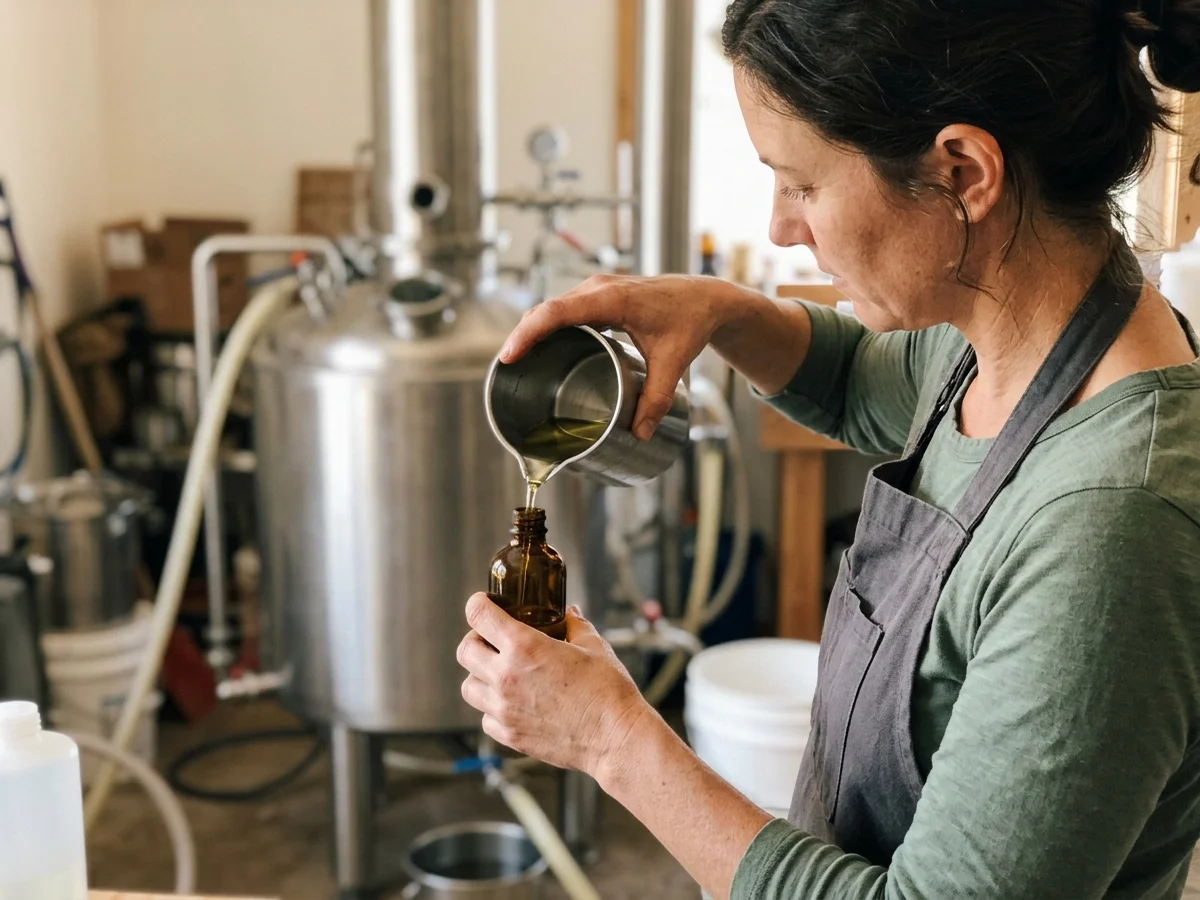
What you can see in a bottle
Hold a drop up to the light on a white saucer and look at the colour. The certificate we publish for one batch lists the appearance as complying with a colourless to yellow liquid, so a light, clear tone is what to expect. We bottle in amber glass, which is why a saucer is the easiest way to see it. Pale and clear is the picture to keep in mind.
Smelling it as it opens
Put a drop on a strip and smell it at three moments: right away, after a few minutes, and after an hour. At first you may pick up the brighter, lighter edge. Later the oil settles into the warm, woody and softly spicy heart we describe, with the light floral edge more noticeable as the top fades. Following the scent through those stages is the nicest way to appreciate how much a small volume of oil can hold.
What it means for your nose
Ripe seed, a sensible crack and a well-judged run add up to the smell we describe as warm, woody and softly spicy, with a light floral edge and a hint of citrus peel. Our certificate for one batch records the appearance, smell, density and refractive index, and if you would like to know more about a particular lot, you can ask us in writing through the contact page.
Next time you smell a drop of coriander oil, you are smelling a ripe seed, a hot cloud of steam and a very small harvest of oil.
Coriander Essential Oil
Coriander Essential Oil from our own shop, in sizes from 0.5 oz to bulk.
From $12.99
Shop Now →