Coriander Oil and Pets: Why Cats Need Extra Care
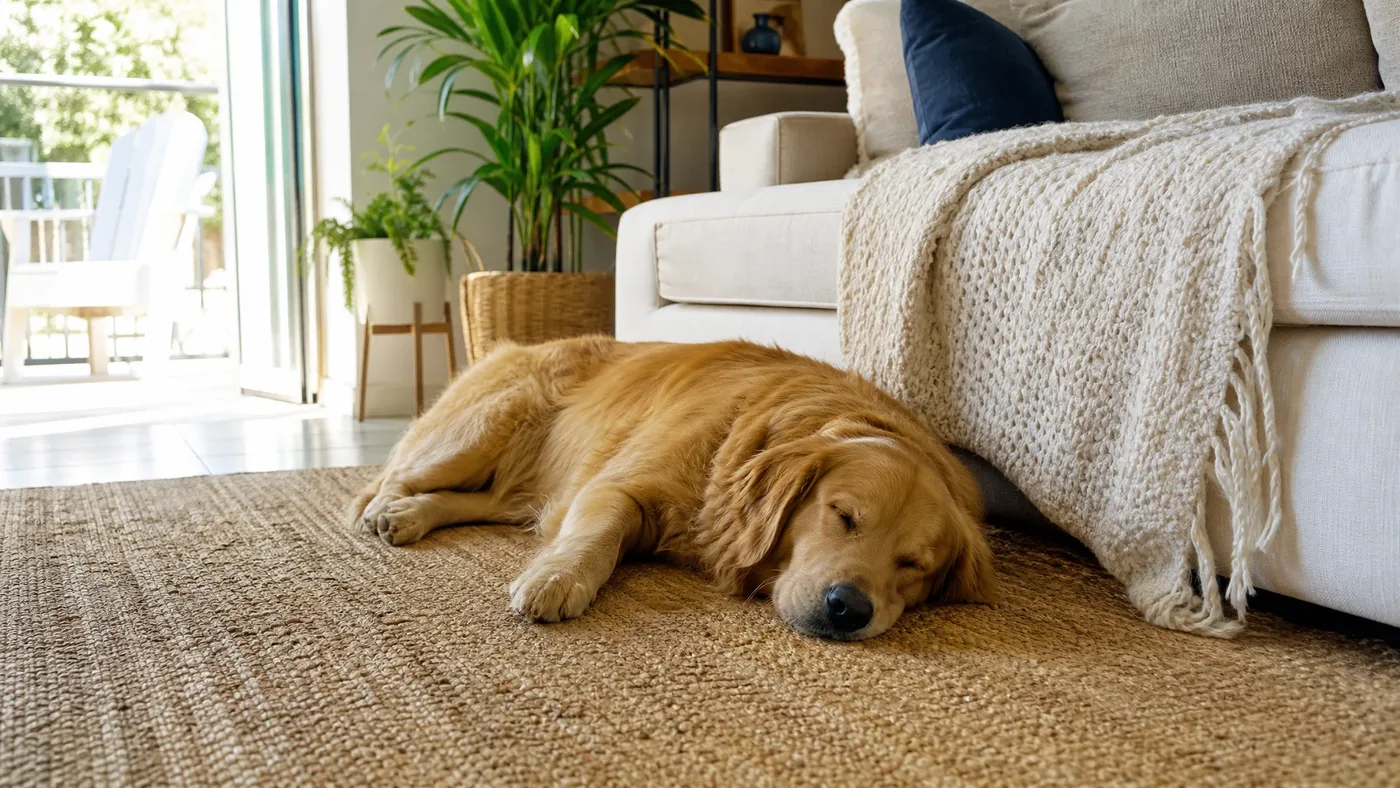
If you share your home with a cat, they deserve to be the first thing you think about before you diffuse any essential oil. Cats handle certain compounds differently from dogs and people, and that difference shows up in veterinary advice and even in a regulator's assessment of coriander oil. Here is what that looks like in practice.
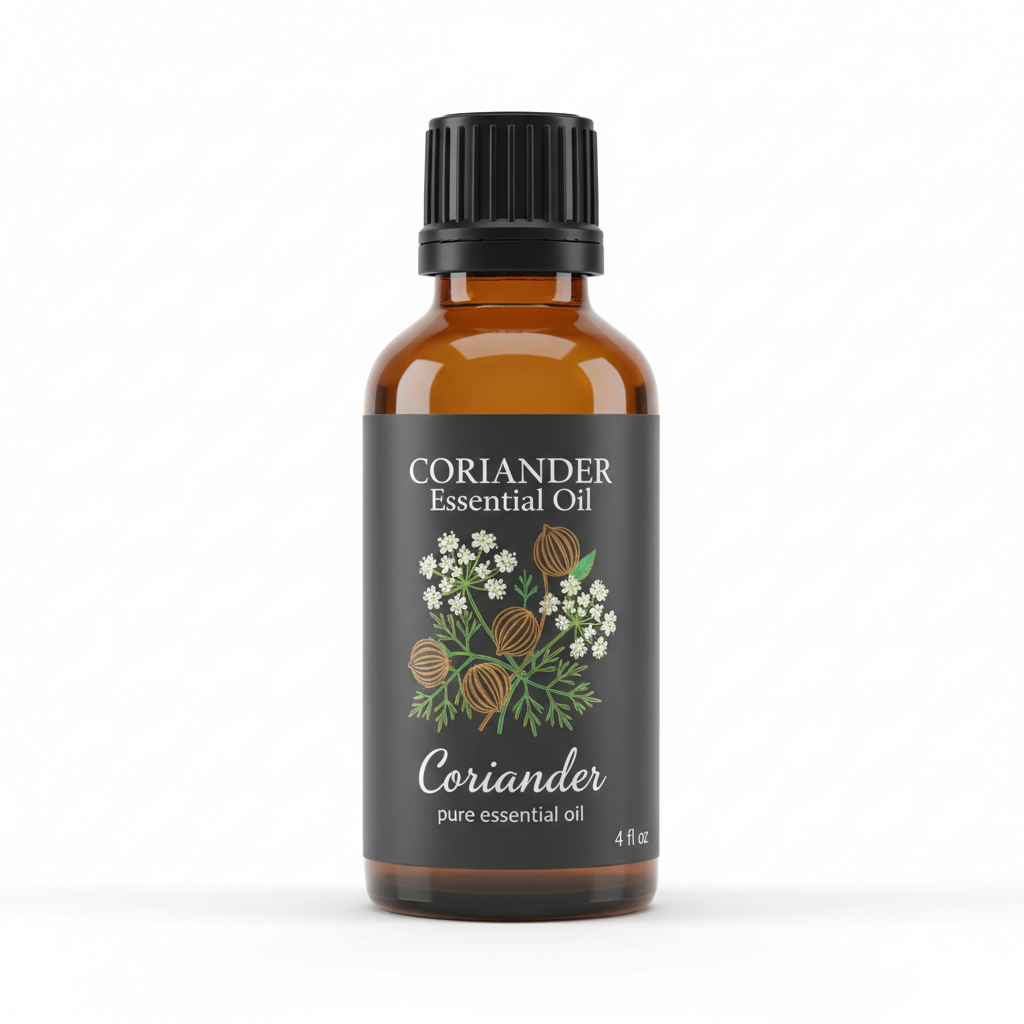
Coriander Essential Oil
Our own Coriander Essential Oil, in sizes from 0.5 oz to bulk.
From $12.99
Shop Now →The plant list is not the oil
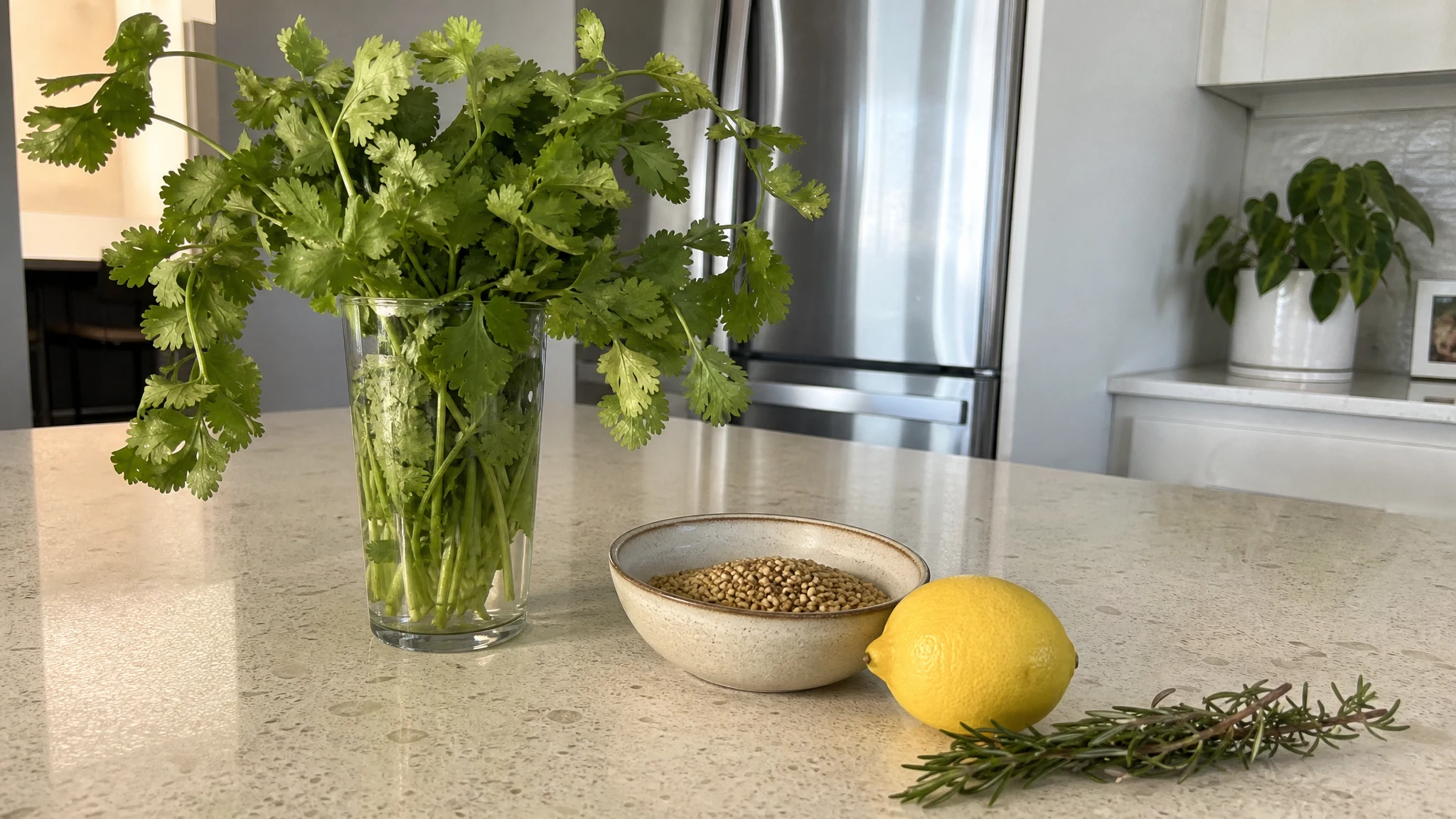
The ASPCA lists cilantro, Coriandrum sativum, as non-toxic to dogs, cats and horses (ASPCA). That is about the leafy herb in a garden. Our coriander oil is a distillate of the seed, and a plant being safe to nibble says nothing about a concentrated oil, so that listing does not carry over to the bottle.
Why cats first
Every cat species examined carries a disabled copy of UGT1A6, a gene involved in clearing phenolic compounds by glucuronidation, and the authors estimate the defect arose roughly 35 to 11 million years ago (Shrestha et al., 2011). That is a gene study, not an essential oil study. But it echoes how EFSA treated coriander oil as a feed additive: the panel proposed a maximum of 14 mg per kg of complete feed for cats against 30 mg/kg for dogs, citing cats' low capacity for glucuronidation, and wanted a bigger safety margin for them (EFSA FEEDAP Panel, 2023). That concerns swallowed oil in food, not a diffuser, so we take from it a simple lesson: cats call for the most caution.
Diffusers, fur and grooming
The Merck Veterinary Manual explains the two diffuser types. Passive ones such as reed diffusers mainly risk respiratory irritation unless tipped over. Active ones, nebulizing or ultrasonic, release microdroplets that can settle on fur or feathers, where a pet can absorb them through skin or swallow them while grooming, with cats and birds more exposed. It says concentrated essential oils should never be applied directly to pets and recommends keeping pets out of the room while a diffuser runs, ventilating afterward, running diffusers for under 30 minutes and using diluted rather than concentrated oils (Merck Veterinary Manual). Pet Poison Helpline ranks exposure risk as oral first, then skin, then breathing, and says cats and birds are at greatest risk (Pet Poison Helpline).
Our oil is sold undiluted, so a spill on a counter a cat walks across is a concentrated-oil event. Keep the bottle capped and out of reach; our storage article already recommends a tightly capped bottle in a cool, dark place.
A sensible order of decisions
- A cat in the same airspace: leave the diffuser out. A veterinarian can tell you whether your cat's situation changes that.
- A dog only, or a closed room the animal cannot enter: follow the Merck conditions of short runs, ventilation afterward and a very light hand. Our diffusing guide shows how little oil a room needs.
- Skin and hair products you make: residue on your hands or clothes can reach a pet that licks you, so wash up before cuddling and keep scented body oils off areas a pet might lick.
- Anything meant for the animal itself: not from us. Our oil is an aroma and cosmetic oil for people, and flea or tick questions belong with a veterinarian.
Small habits in a home with animals
Pets are curious, quick and not always predictable, so the habits that protect them are mostly about the ordinary corners of a house. Keep the bottle in a closed cupboard, not on a low shelf or at the edge of a table where a cat jumps. Cap it before you answer the door. When you make a scented body oil, work at a counter the animals cannot reach and wipe it down afterward, along with the syringe and the bottle.
Think about where a pet actually spends its time. A cat that sleeps on the bed will meet whatever has been sprayed on the pillowcase, and a dog that follows you from room to room will not respect a closed diffuser door for long. A closed room only works if the door really stays closed.
If a pet is exposed
Both Merck and Pet Poison Helpline say not to induce vomiting, because of the risk of aspiration. Pet Poison Helpline suggests fresh air after breathing exposure, bathing with liquid dish detergent after skin contact, and having the product label and concentration ready. Its 24/7 line is (855) 764-7661. Call your veterinarian or an animal poison service first, and take a pet that is vomiting, drooling, wobbly or struggling to breathe to a clinic.
Tell the household
If more than one person lives in your home, make sure everyone knows the rules. A diffuser left running by a partner or a flatmate defeats the best plan, so agree where the bottle lives and when the diffuser stays off. A small note on the cupboard door can save a lot of worry.
Notice your animal
Every animal is different, and the person who knows yours best is you. If a pet leaves the room when you open the bottle, hides, or seems unlike themselves after a scent has been in the air, take the hint, switch things off and open a window. An animal that walks away from a smell is giving a clear answer. Respect it, and call your veterinarian if something seems wrong rather than waiting to see.
For people, our dilution and safety guide and side effects article cover skin. For pets, the plain rule is a closed bottle, a diffuser kept away from cats, and your veterinarian for anything beyond that.
Coriander Essential Oil
Coriander Essential Oil from our own shop, in sizes from 0.5 oz to bulk.
From $12.99
Shop Now →Sources & Further Reading
- ASPCA. Cilantro, toxic and non-toxic plants. aspca.org
- Shrestha B et al., 2011. Evolution of a major drug metabolizing enzyme defect in the domestic cat and other Felidae. PLoS One. PMC3065456
- EFSA FEEDAP Panel, 2023. Safety and efficacy of an essential oil from the fruit of Coriandrum sativum L. PMC10613936
- Merck Veterinary Manual. Toxicoses from essential oils in animals. merckvetmanual.com
- Pet Poison Helpline. Essential oils. petpoisonhelpline.com