Coriander Oil and Children: Storage, Skin and Air
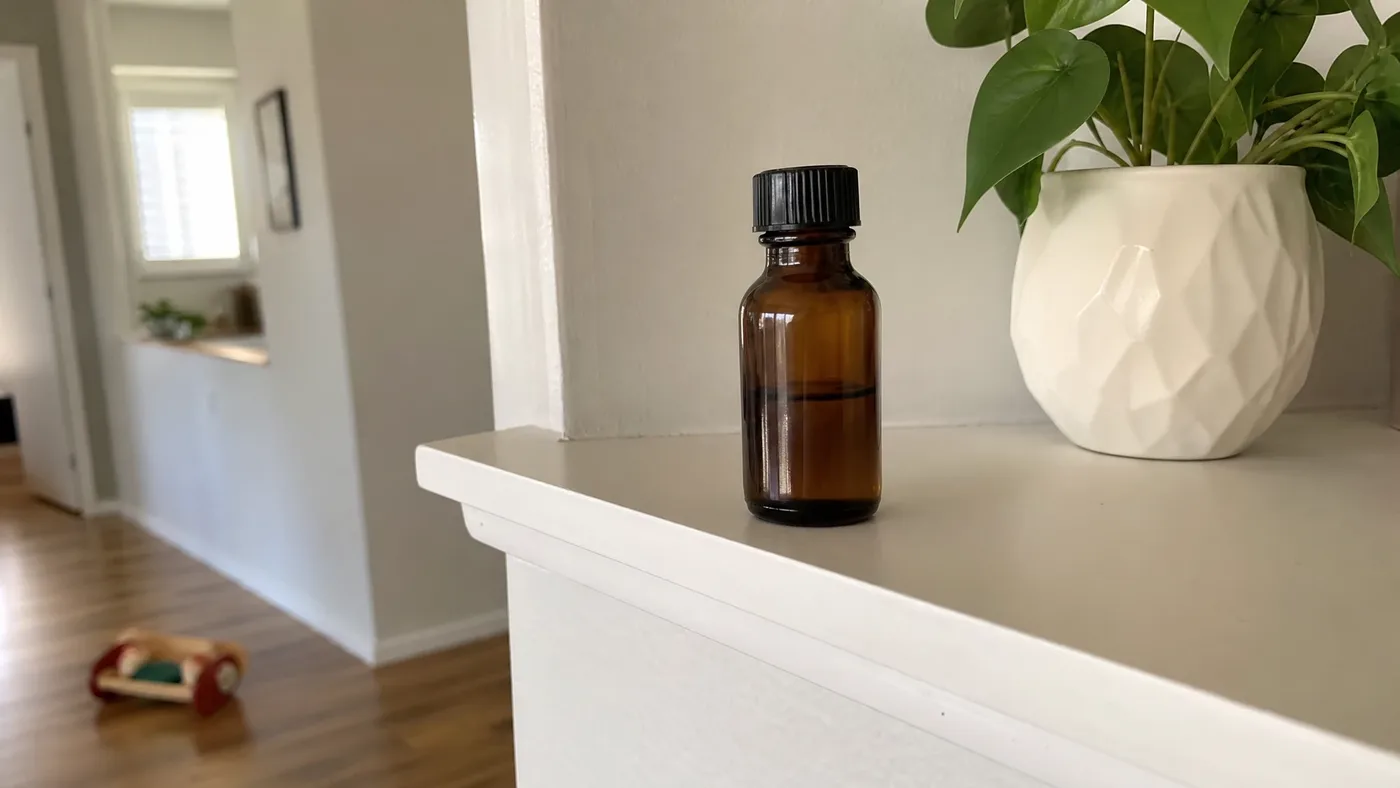
The most useful thing to know about essential oils and children has little to do with blends or diffusers: it is where the bottle lives. A small amber bottle looks harmless on a shelf, and a toddler sees something to open. Everything else in this article builds on that.
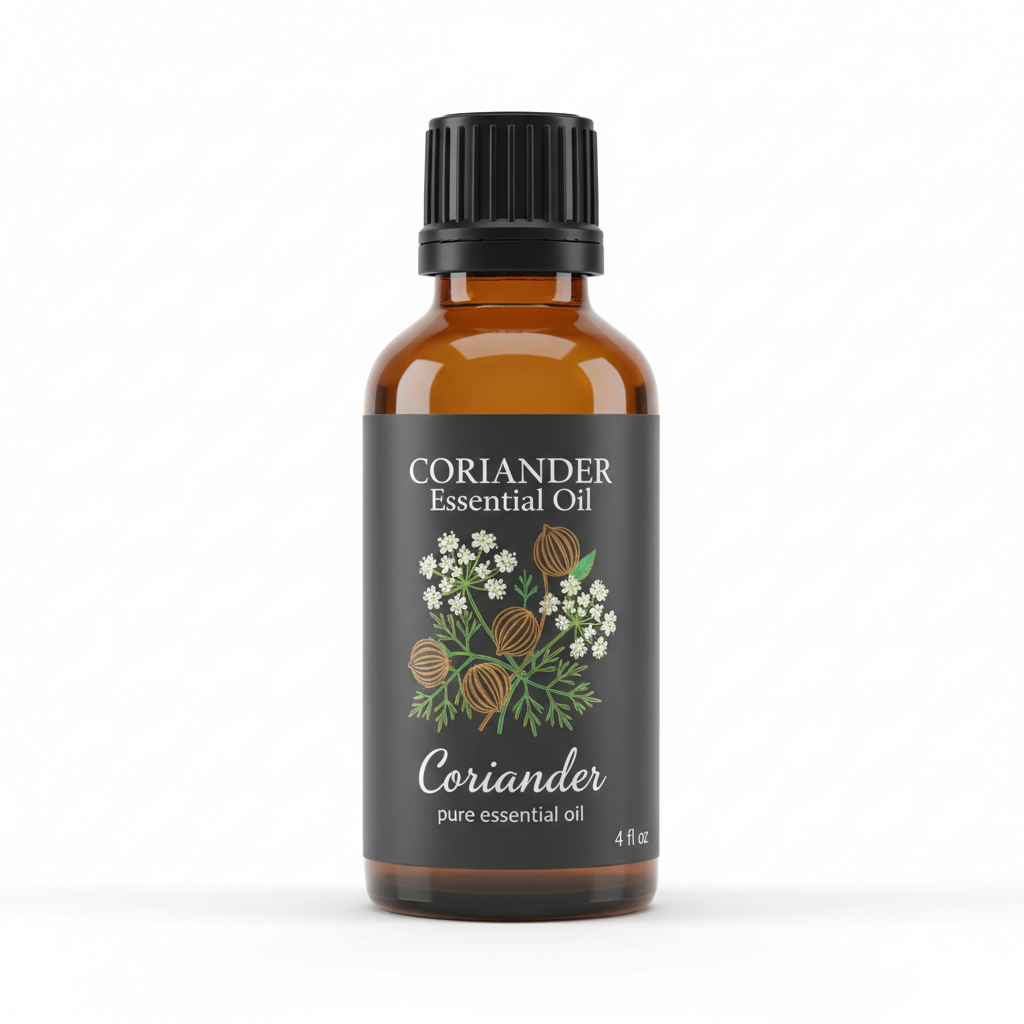
Coriander Essential Oil
Our own Coriander Essential Oil, in sizes from 0.5 oz to bulk.
From $12.99
Shop Now →Keep the bottle out of reach
US Poison Control says misuse of essential oils can cause serious poisoning and that children may be more susceptible than adults because of thin skin and immature livers. It advises storing oils where children and pets cannot get to them (Poison Control). The Tisserand Institute adds that bottles belong where young children cannot reach and that children should never handle them; it notes that child-resistant caps do not always work but do make a difference (Tisserand Institute, safety guidelines).
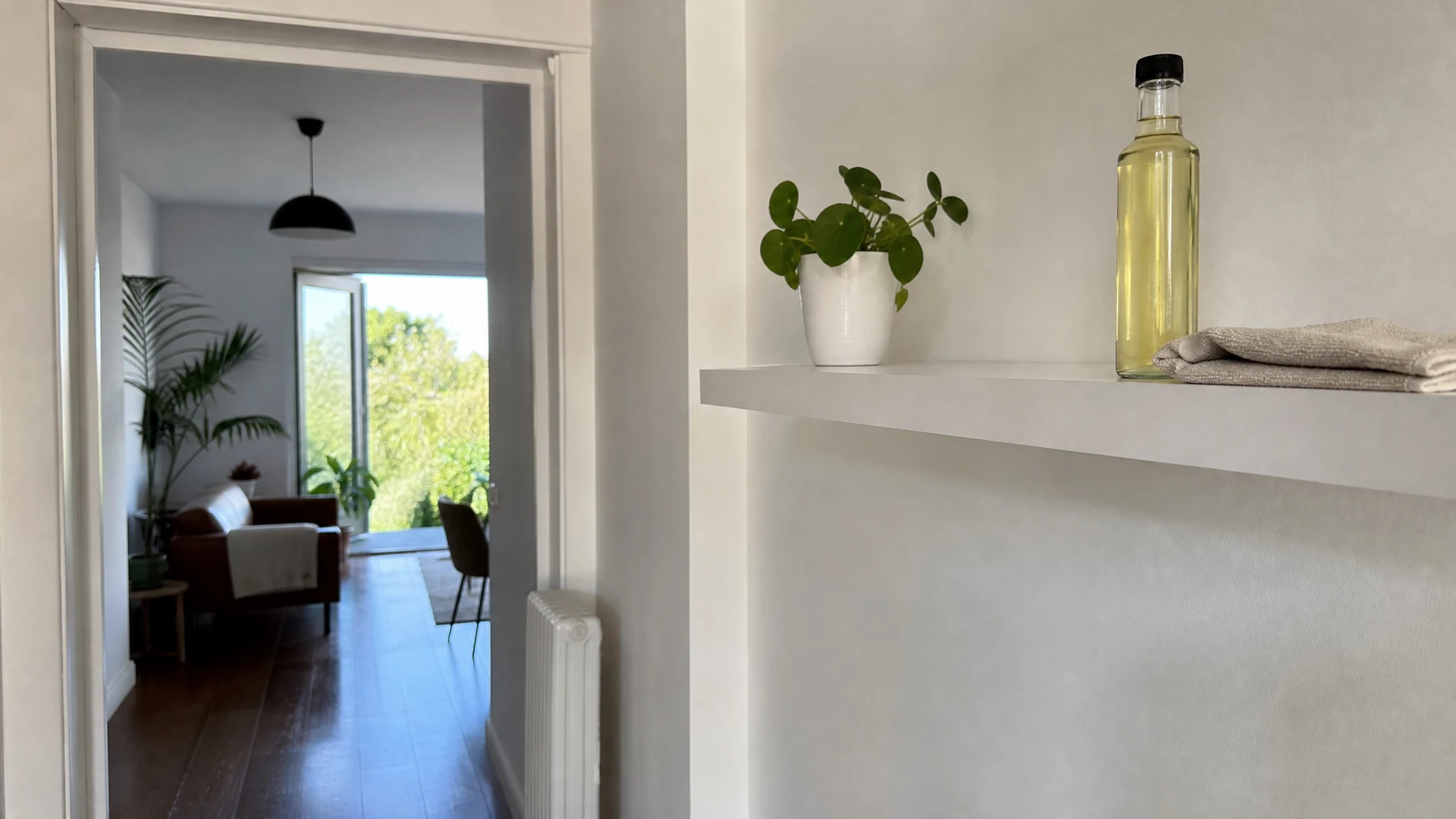
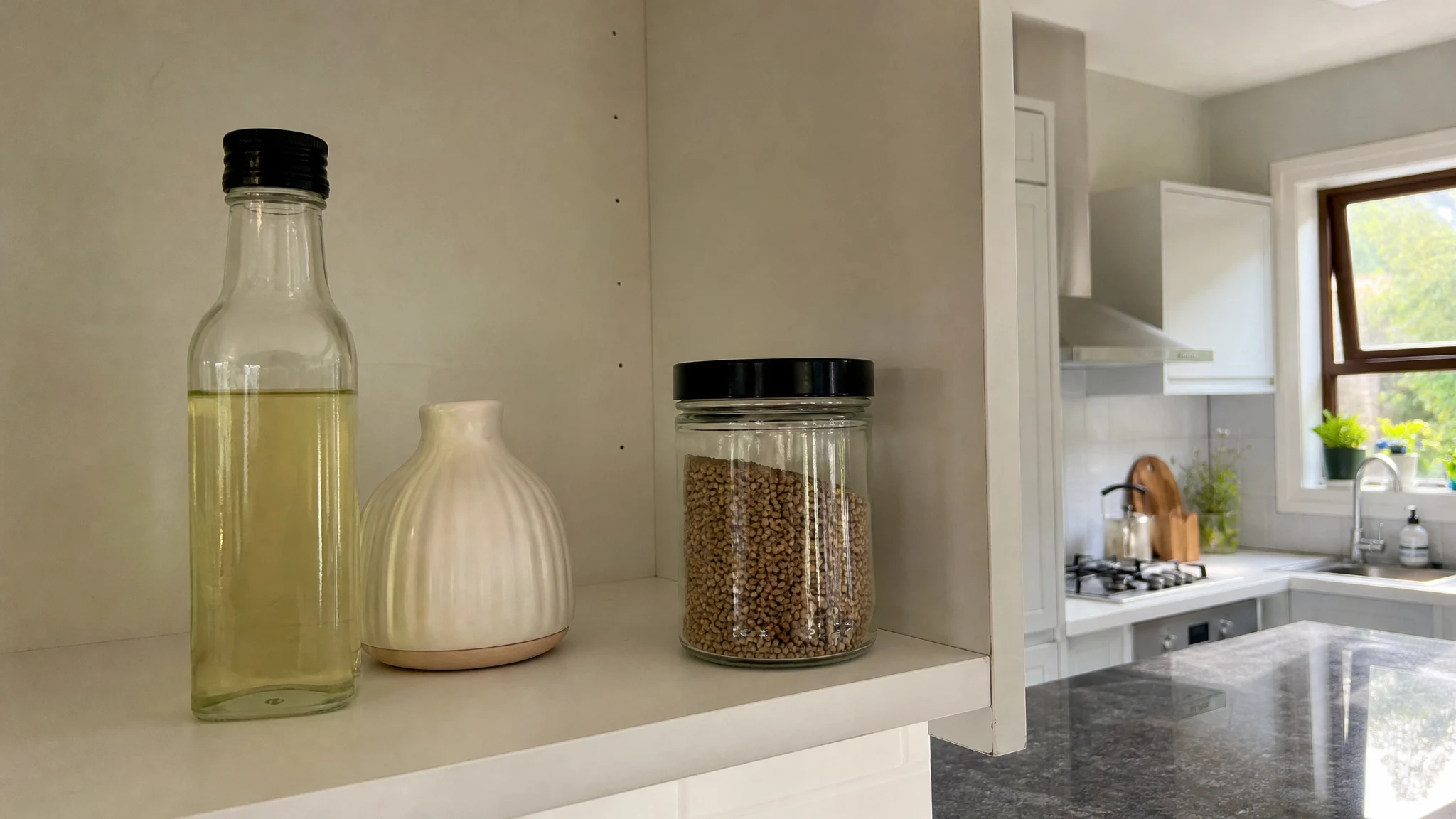
So our practical advice is a high, closed cupboard, ideally one that locks, and the cap back on every time. Our storage article already suggests a cool, dark place, so the same spot works for both. If a child swallows oil, call Poison Control at 1-800-222-1222 right away, and call 911 for collapse, a seizure or trouble breathing. Our ingestion article has the details.
Where the bottle lives in a busy house
Households with children are rarely tidy places, and that is exactly why a routine matters more than good intentions. Pick one spot for every oil and bottle in the house, up high and out of sight, and put them back there every single time, even when you are about to use them again in five minutes. A bottle left on a bathroom shelf "just for now" is the one that slips out of the grown-up's mind and into a small hand.
Visitors deserve a thought too. A grandparent's bag, a guest's handbag and a friend's coat pocket are all places where small bottles end up within reach. If you are hosting, a quick glance round the room costs nothing.
On a child's skin
Our oil is sold undiluted, and our 0.5% to 2% guidance is general skin guidance, not a children's dilution. The Tisserand Institute says its age-based dilution table for children under 6 applies to any topical use, and that individual oils can be exceptions in either direction (Tisserand Institute, safety guidelines). We have no coriander-specific children's figure to give you, so for a baby or young child the right person is a pediatrician.
There is a chemical reason to be thoughtful too. Coriander oil is mostly linalool, and EFSA says the oil should be considered an irritant to skin and eyes and a skin and respiratory sensitiser (EFSA FEEDAP Panel, 2023). Linalool that has aged in air is the form most linked to contact allergy, as our side effects article explains. A child's skin reaction can be hard to read, so the simplest rule is to keep our oil off children's skin unless a pediatrician says otherwise.
In the air
The American Academy of Pediatrics' integrative medicine contributor writes about aromatherapy mainly in terms of skin, noting that some people get irritation from undiluted oil, and the page does not address diffusing around children (HealthyChildren.org). We could not find a study of coriander oil diffused around children, so our practice as a seller is simple: not in a baby's room, and for older children check with your pediatrician, especially if there is asthma or wheezing. When adults diffuse, a light touch and a ventilated room are plenty; our diffusing guide shows how.
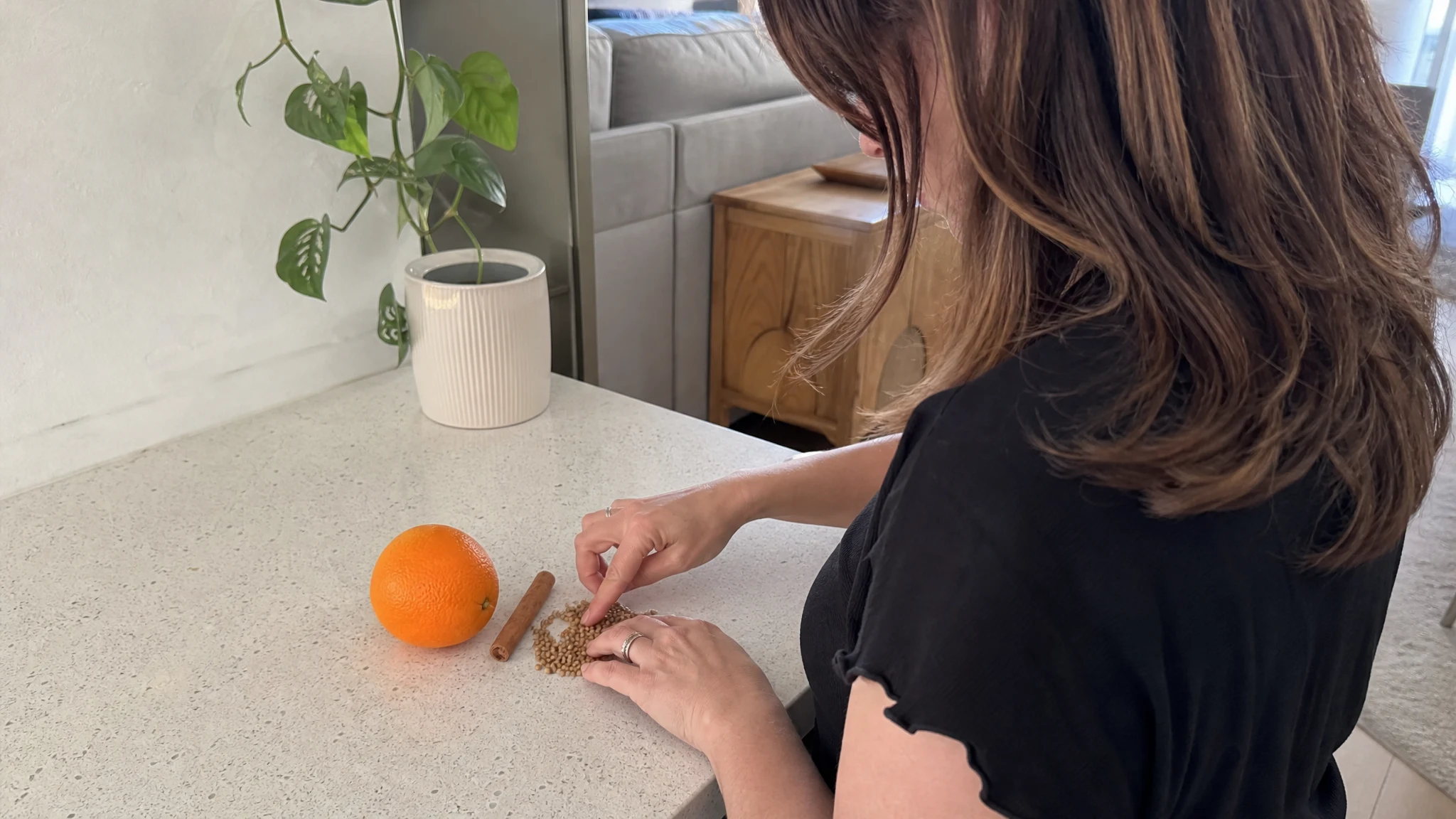
Tidying up after making things
If you make scented products for yourself, the mixing is only half the job. Wipe down the counter, wash your measuring syringe and bottles, and put the oil away before you do anything else. Oil on a countertop, a spoon left by the sink or an unlabelled bottle of body oil can all look like something else to a child. Label whatever you make with what it is and the date, and store it with the original bottle, never alongside food or drinks. Our shop lists the sizes we sell, and our bulk page and guide to buying coriander oil in bulk cover larger quantities, which also take up more storage space.
When there are allergies in the family
If your child has a known allergy to coriander, celery-family foods or fragrance, ask an allergist before bringing any coriander product into the house, in any form.
Keeping the house simple
The most reliable households are the plain ones. Fewer open bottles, one storage spot, a habit of capping and putting away, and a quick check before visitors arrive. None of it needs special equipment, only the decision to do it the same way every time. If you find yourself wondering whether to leave a bottle out, the answer is always to put it away.
Talking to older children
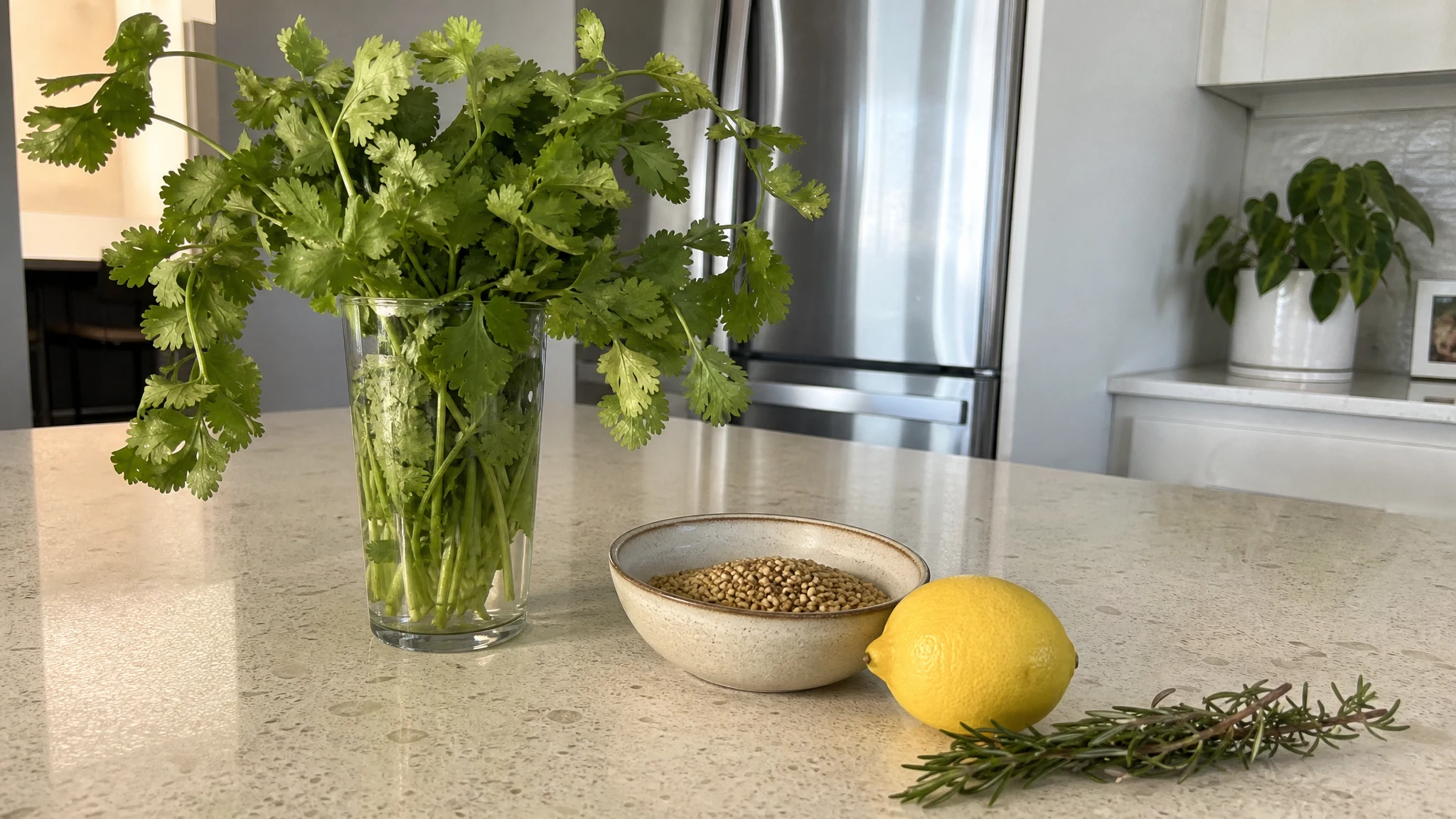
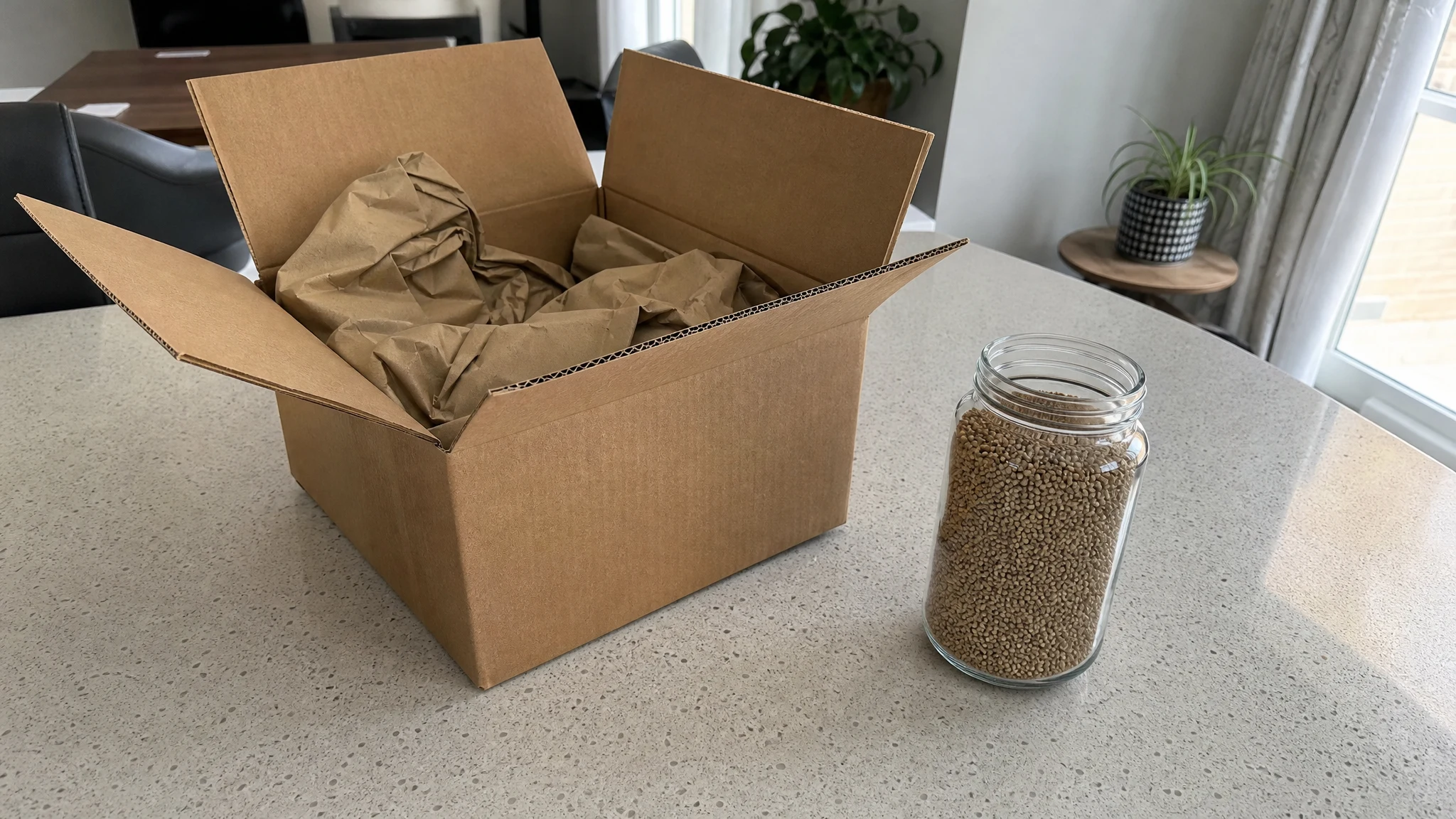
Children are curious about what adults do, and older ones often want to help. A good answer is one that explains rather than forbids: it is a strong scent, it is for grown-ups, and it lives up high because it can hurt if it goes in the wrong place. A jar of whole coriander seed from the kitchen makes a friendly stand-in for a smelling lesson, with the real bottle staying out of sight. Curiosity handled openly is much easier than curiosity handled by hiding things.
A scent for a child's room
Coriander seed oil is an adult aroma material: warm, sweet and softly spicy. If you want fragrance for a child's space, your pediatrician is the right person to settle what suits your family. For the same kind of question at another stage of life, see our pregnancy article.
Coriander Essential Oil
Coriander Essential Oil from our own shop, in sizes from 0.5 oz to bulk.
From $12.99
Shop Now →Sources & Further Reading
- Poison Control. Essential oils. poison.org/articles/essential-oils
- Tisserand Institute. Safety guidelines. tisserandinstitute.org/safety/safety-guidelines
- EFSA FEEDAP Panel, 2023. Safety and efficacy of an essential oil from the fruit of Coriandrum sativum L. PMC10613936
- HealthyChildren.org (AAP). Aromatherapy for children. healthychildren.org