DIY Coriander Cologne: Two Formulas for a 30 g Bottle
Coriander seed oil smells nothing like the fresh leaf. It is warm, softly spicy and a little floral, with a rounded sweetness that makes it a natural middle note for a cologne. A bottle you mix yourself can be lovely, and it comes down to getting one number right before you start: how much oil goes into the bottle.
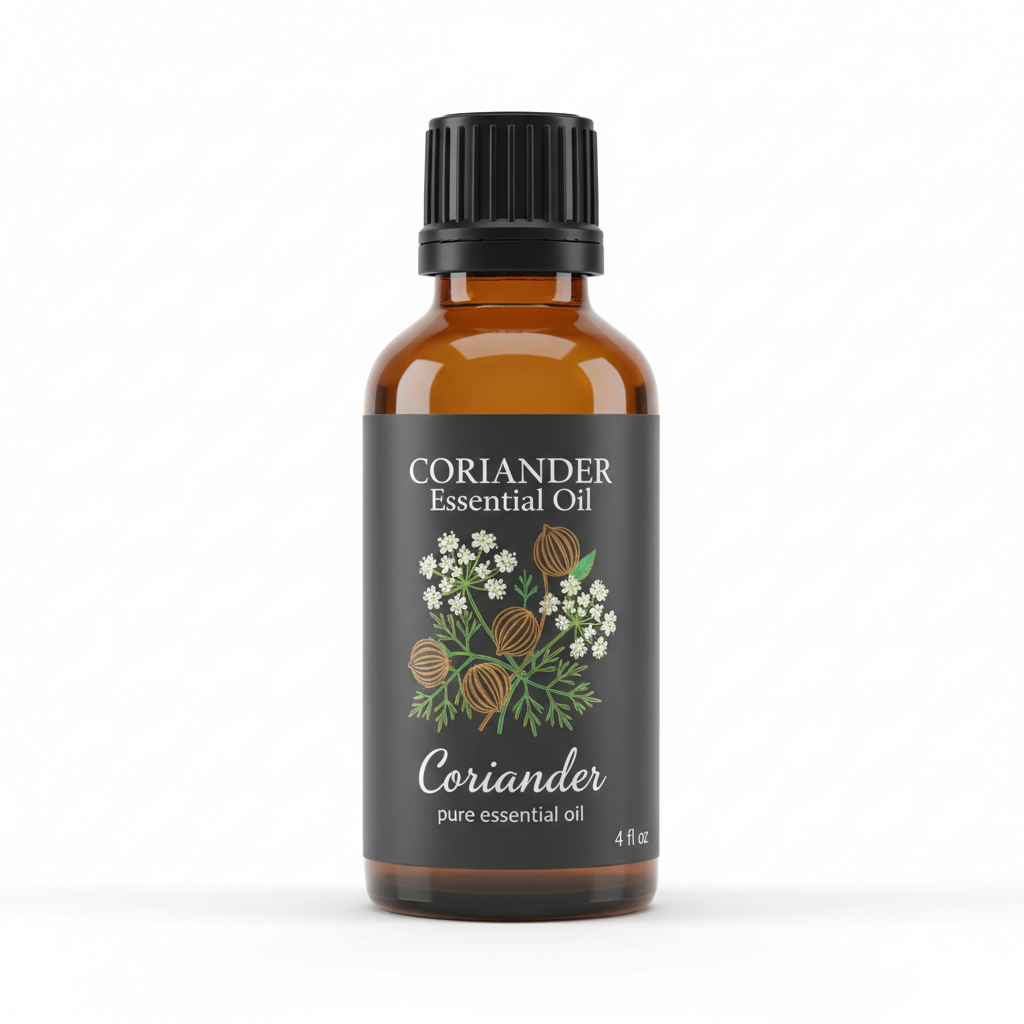
Coriander Essential Oil
Our own Coriander Essential Oil, in sizes from 0.5 oz to bulk.
From $12.99
Shop Now →Start with the strength
Nobody legally defines "cologne" or "eau de parfum." One European perfume retailer gives typical averages of 1 to 3% perfume oil for a body mist, 2 to 5% for an eau de cologne, 6 to 12% for eau de toilette and 10 to 20% for eau de parfum (Perfume Lounge). Those describe finished commercial perfumes, which are built from fragrance materials chosen and tested for that purpose.
For a spray made from essential oils that will sit on your skin, we would work lower. The Tisserand Institute suggests 0.5% to 1.2% for the face and 1% to 3% for body oils and lotions, and says its ranges are starting points (Tisserand Institute, dilution). Our own guidance for coriander on skin is 0.5% to 2% in a carrier. So we aim for a light, clean body cologne at 2% total essential oil or less, and for anything stronger we would reach for a room or fabric scent instead; our diffusing article is the place to start.
Why coriander makes a good body for the blend
Coriander oil is mostly linalool, a floral, slightly woody molecule. The coriander fruit oil assessed by EFSA is specified at 65 to 78% linalool (EFSA FEEDAP Panel, 2023), and that is why it feels smooth rather than sharp. Used with a light hand it holds a citrus top note and a dry woody base together without fighting either. Bergamot, black pepper, cypress and jasmine are all pairings we like on paper, and frankincense gives a different, resinous direction. The two formulas below show those two moods.
Because linalool can irritate skin once it has been exposed to air for a long time, we keep coriander itself at 0.5% in both formulas and let the other oils round things out.
Two formulas for a 30 g bottle
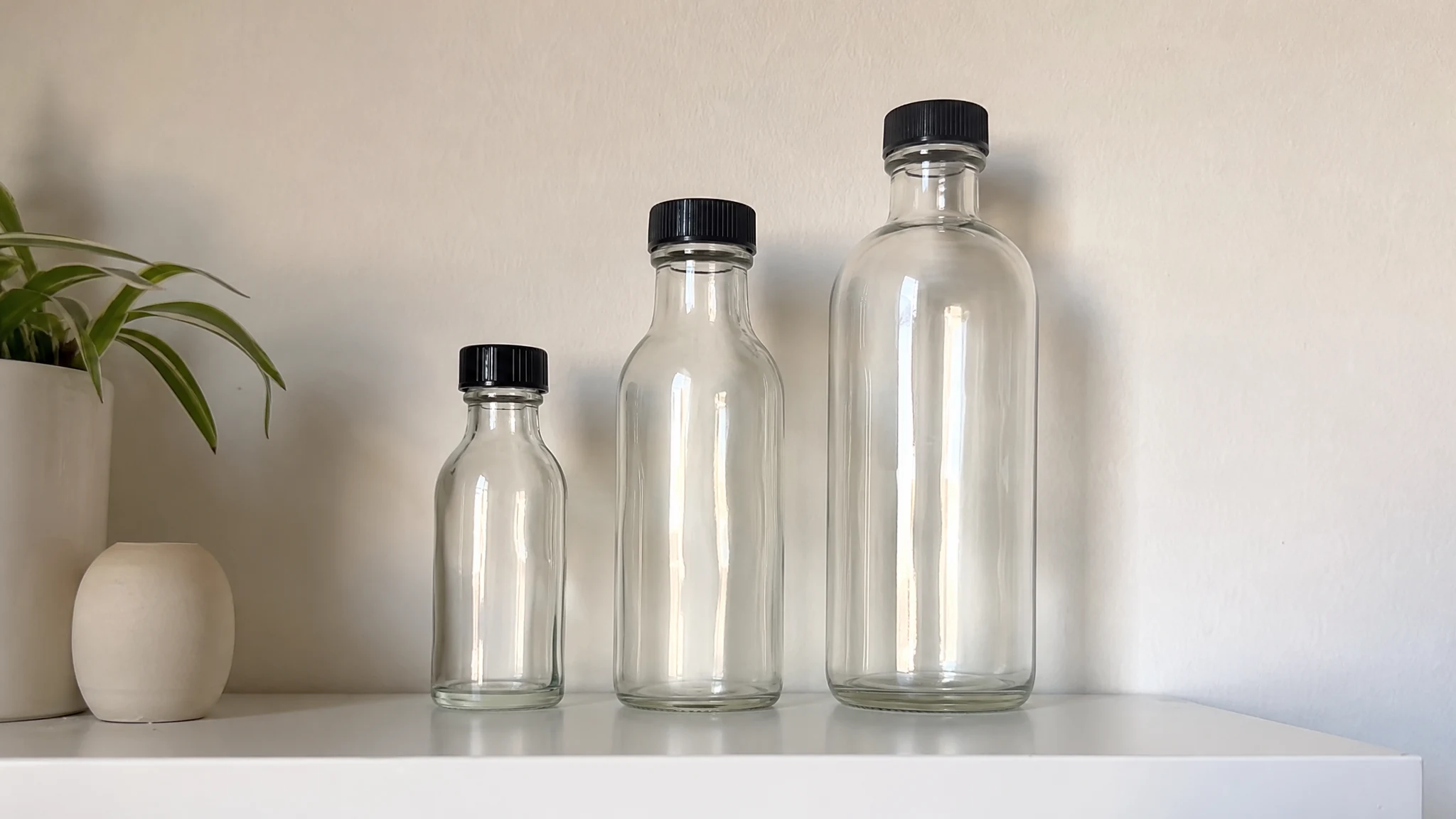
Weighing beats counting drops, so a 0.01 g scale is worth owning. At 2% total, 30 g of finished cologne needs 0.60 g of essential oil and 29.40 g of ethanol. The alcohol, the other oils and the bottle come from a perfumery-supplies seller; we sell the coriander. A dark glass bottle with a spray top suits it.
| Ingredient | Citrus cologne | Dry woody |
|---|---|---|
| Coriander seed oil | 0.50% (0.15 g) | 0.50% (0.15 g) |
| Bergamot FCF | 1.00% (0.30 g) | none |
| Cypress | 0.30% (0.09 g) | 0.60% (0.18 g) |
| Frankincense | none | 0.60% (0.18 g) |
| Black pepper | 0.20% (0.06 g) | 0.30% (0.09 g) |
| Total essential oil | 2.00% (0.60 g) | 2.00% (0.60 g) |
The Certificate of Analysis we publish for one batch lists a relative density of 0.857, so 0.15 g of our coriander is about 0.175 ml, or three to four drops at the rough convention of 20 drops to the ml. The 0.06 g of black pepper is about one drop, which is the reason to use a scale. Put the oils in the bottle first, swirl, then add the ethanol.
Choose furocoumarin-free (FCF) bergamot for anything left on skin. The Tisserand Institute notes that the IFRA guideline caps ordinary bergamot at 0.4% in a leave-on product for sun-exposed skin, while FCF bergamot is treated as non-phototoxic (Tisserand Institute, phototoxicity). Our bergamot pairing article goes further into the grades. For cypress, frankincense and black pepper, ask each supplier for its IFRA certificate and check your amounts against it.
Picture where you will wear it
Before you weigh anything, decide the mood. The citrus formula is the bright one, a little like opening a window, and it is easy to imagine on a warm afternoon. The dry woody formula is quieter and deeper, closer to a favourite jumper. You are not stuck with either; they are starting points for your own nose.
Making it yours
Smell it on a paper strip right away, again after a day, and again after a week; scents settle as the oils mingle, and notes on paper are the best way to decide whether to nudge the cypress up or the bergamot down. Date the bottle, keep it out of sun and heat, and retire it if it begins to smell sharp. We store our undiluted oil tightly capped in a cool, dark place, and a finished spray deserves the same treatment.
Spray one small area on the first day and wait before wearing it widely. The Tisserand Institute does not generally recommend formal patch testing, and suggests starting around 1% for people who are prone to reactions (Tisserand Institute, irritation and allergy), so going down to 1% total is a sensible first batch. If you have fragrance allergies or skin conditions, check with a dermatologist first, and keep alcohol sprays away from eyes and flame. Our side effects article explains the difference between irritation and allergy, and the roller blend article is the no-alcohol version of the same idea.
Give each version its own label with the date and the ratio, then wear them on paper before you wear them on skin. You may find the one you reach for is not the one you planned to love.
If you expect the smell of fresh cilantro, our seed versus leaf article explains why this oil is warmer and sweeter. That warmth is exactly what a good cologne wants.
Coriander Essential Oil
Coriander Essential Oil from our own shop, in sizes from 0.5 oz to bulk.
From $12.99
Shop Now →Sources & Further Reading
- Perfume Lounge. Perfume concentrations explained. perfumelounge.eu
- Tisserand Institute. Dilution of essential oils. tisserandinstitute.org/dilution-essential-oils
- EFSA FEEDAP Panel, 2023. Safety and efficacy of an essential oil from the fruit of Coriandrum sativum L. PMC10613936
- Tisserand Institute. Phototoxicity: essential oils, sun and safety. tisserandinstitute.org
- Tisserand Institute. Irritation and allergic reactions. tisserandinstitute.org