Coriander and Frankincense Diffuser Blend: A 2 to 1 Mix
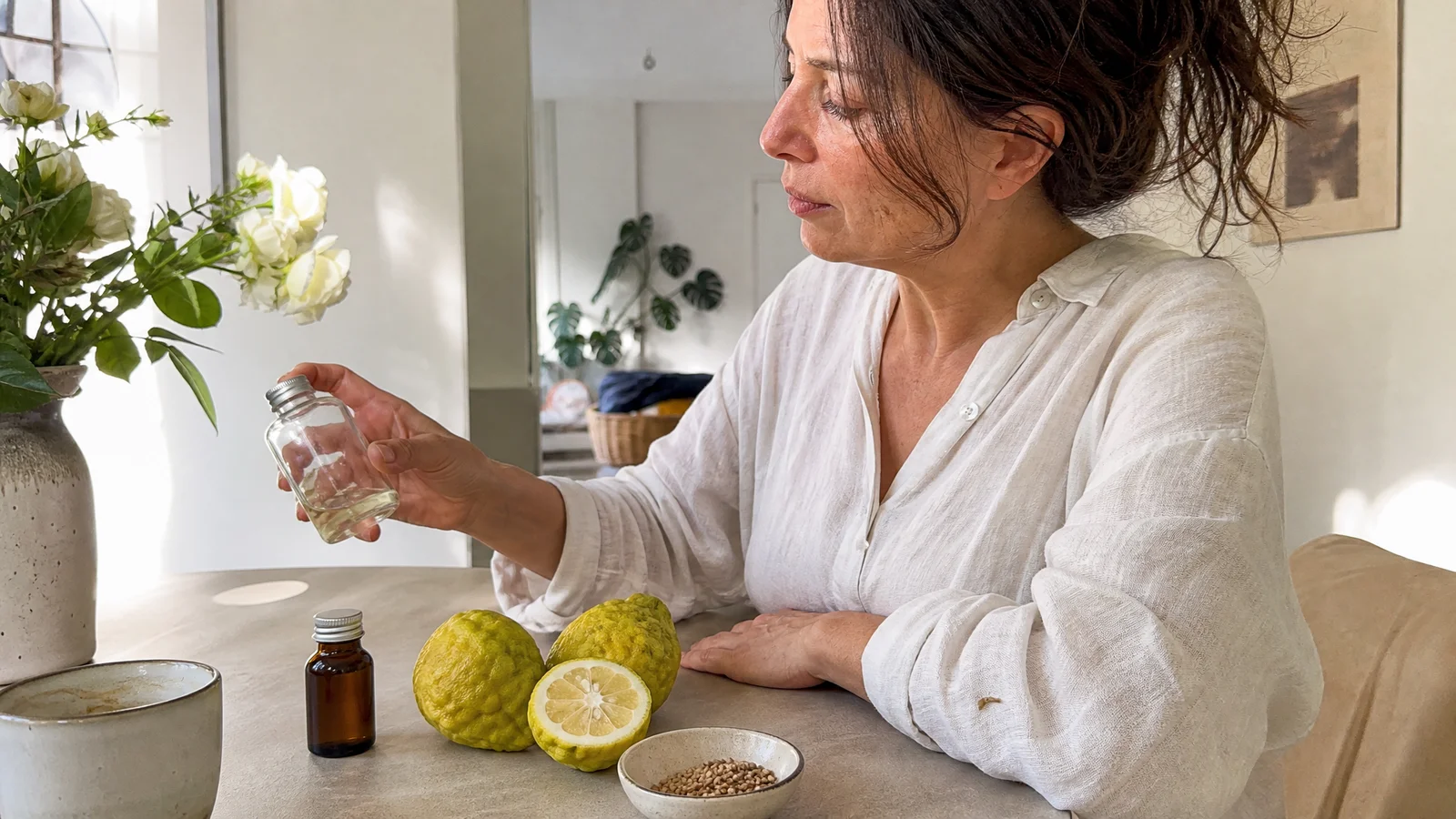
Think of a bright kitchen corner on a slow weekend: window cracked open, a small diffuser humming, and a scent that is warm and rounded on top with something resinous underneath. Coriander seed oil and frankincense make a natural pair for that picture. Coriander brings the woody, softly spicy, lightly floral warmth, and frankincense sits below it like a quiet floor.
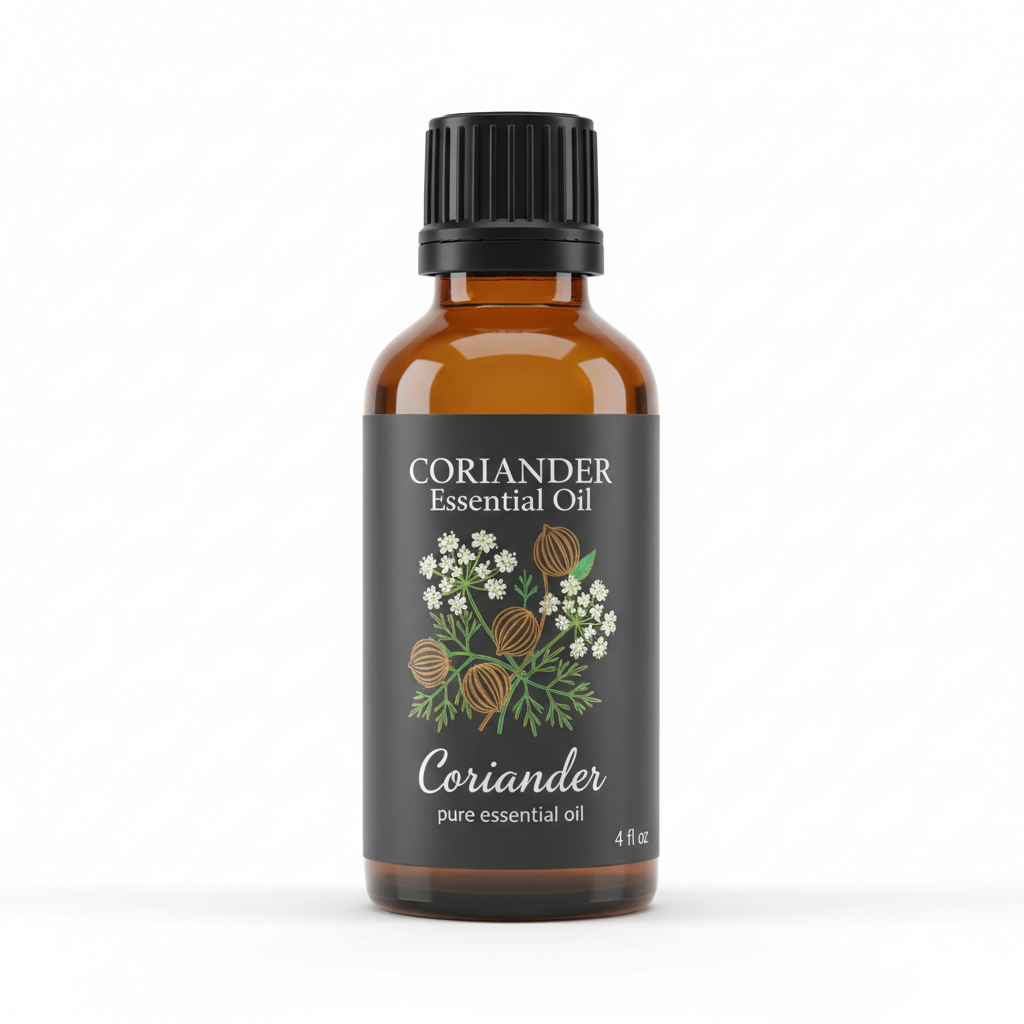
Coriander Essential Oil
Our own Coriander Essential Oil, in sizes from 0.5 oz to bulk.
From $12.99
Shop Now →The stock blend
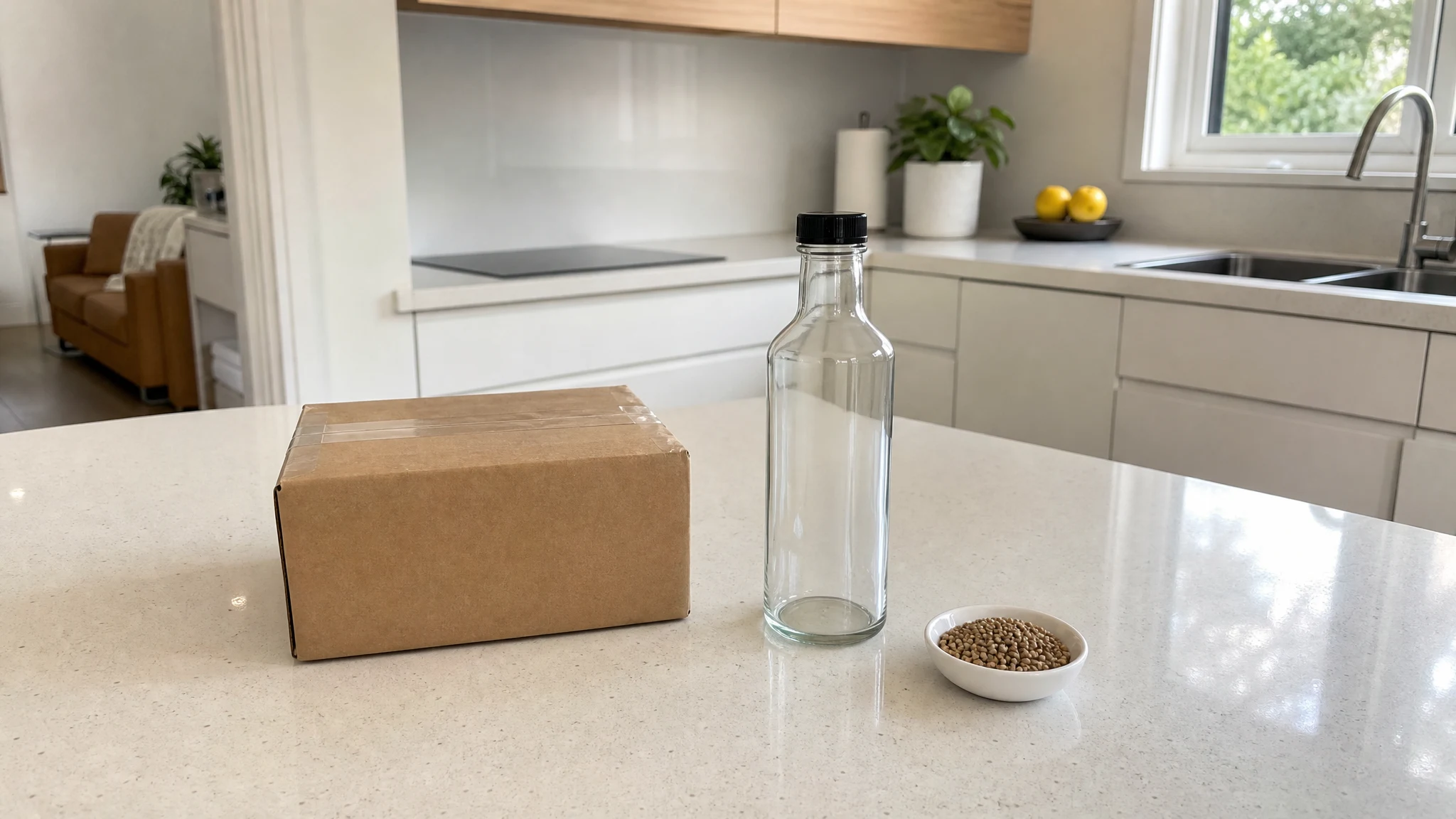
This is a formulation worked out from the arithmetic, not a fixed rule. A good starting stock is 2 parts coriander to 1 part frankincense by volume. In a 5 ml amber bottle, that is about 3 ml coriander and 1.5 ml frankincense, leaving room at the top. At the rough convention of 20 drops per ml (drop size varies by bottle), that is around 60 drops of coriander and 30 of frankincense. Label the bottle with the ratio and the date.
We suggest frankincense as a partner for our coriander, alongside bergamot, black pepper, cypress, jasmine and sandalwood. We sell the coriander only, so the frankincense comes from elsewhere, and that brings us to the one thing worth a little care.
Where to put the diffuser
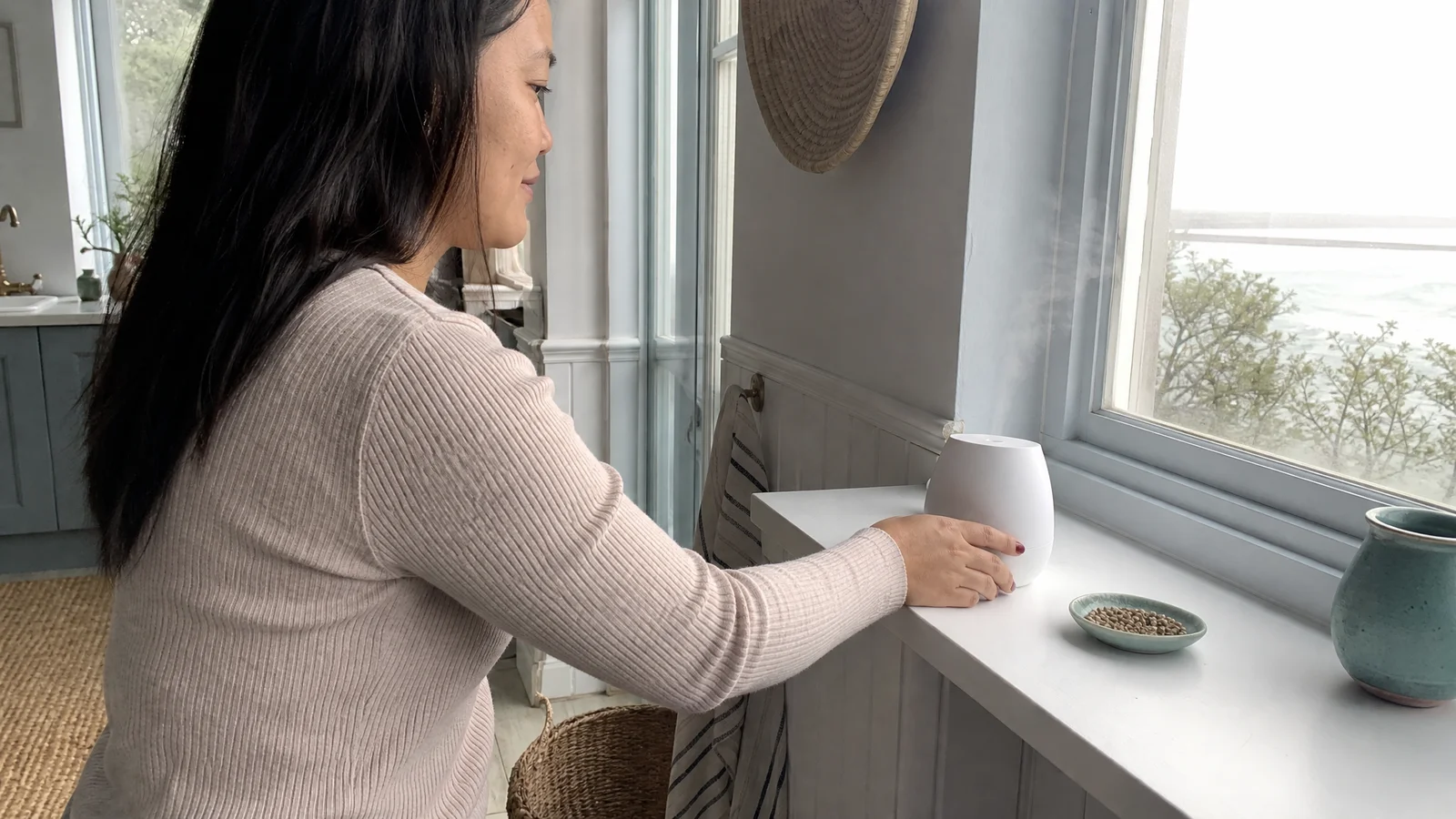
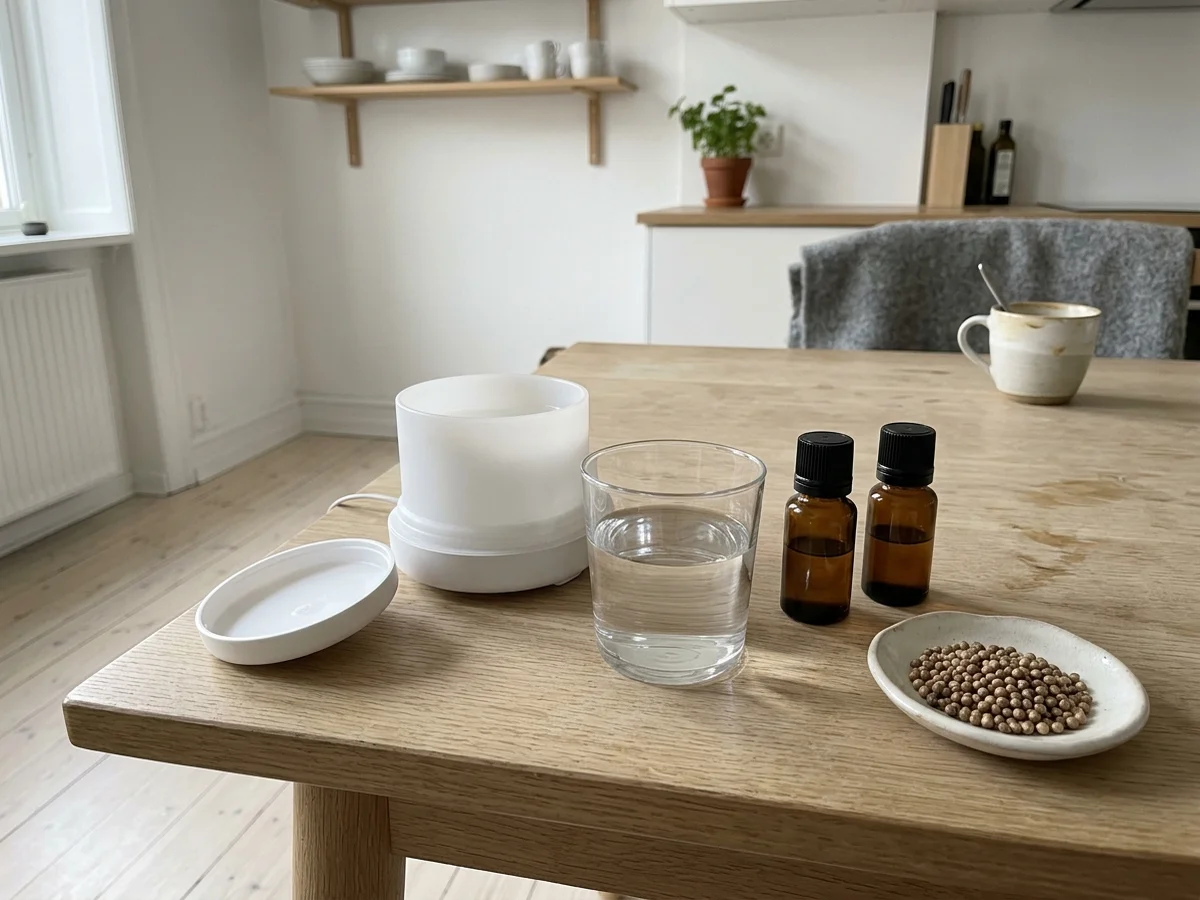
Place it at about table height, away from the edge, on a surface that does not mind a splash. A spot across the room from where you sit lets the scent drift to you; right at your elbow it can feel like too much. Start with the lowest setting and a few drops, and wait ten minutes before you decide to add more.
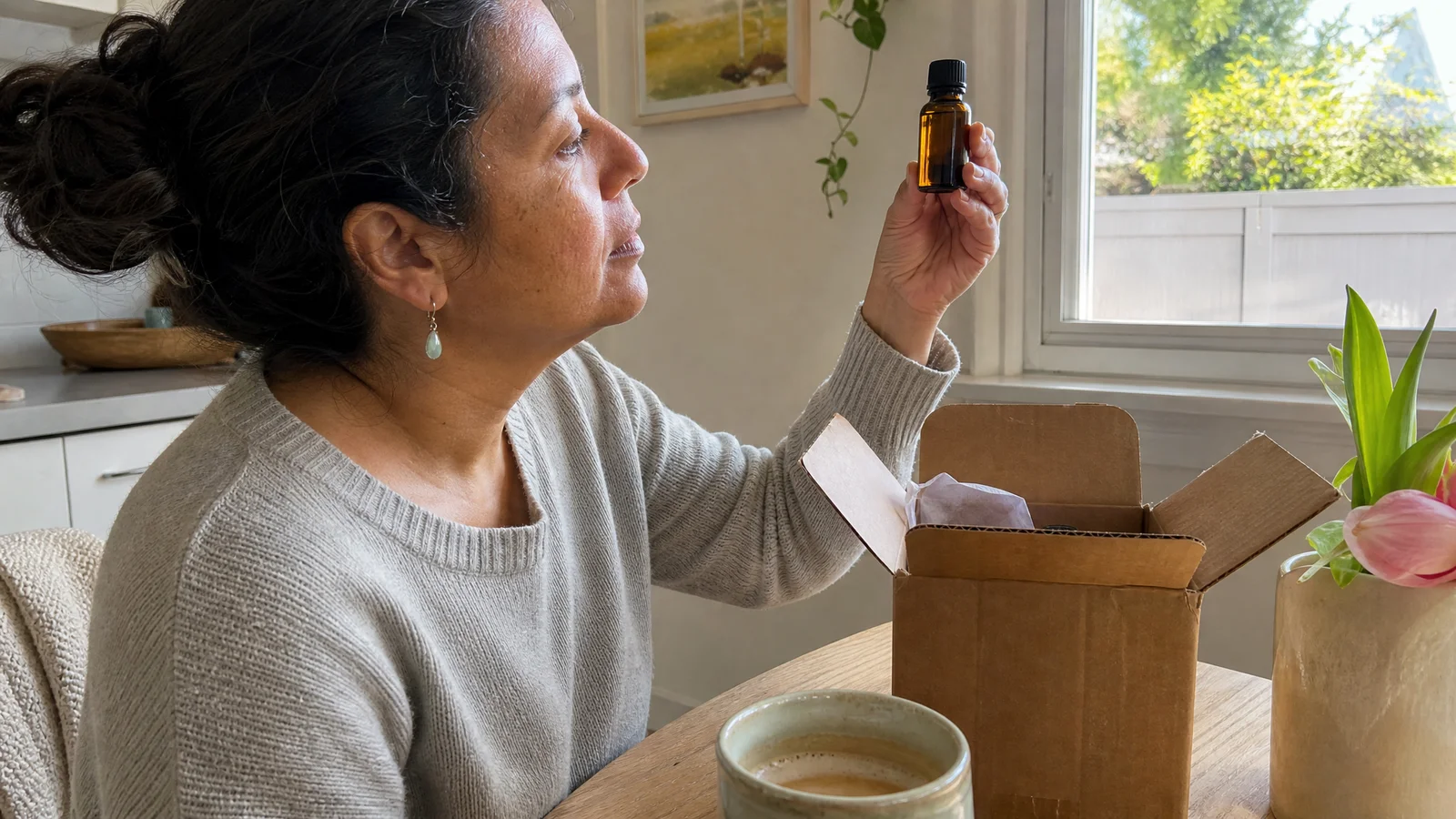
Choosing the frankincense
A 2022 study bought 21 oils sold online as Boswellia carteri and compared them with two oils the authors distilled themselves from Somaliland resin (Ojha et al., Plants, 2022). Using GC-MS, the authors found that nine of the commercial oils had limonene at 17.3 to 26.1%, against about 10% in their reference oils, and five had octyl acetate at 3.9 to 7.7%, against about 1%. They concluded that every commercial sample was adulterated or contaminated with other species.
It is one paper, one group and one snapshot in time, so it does not describe every frankincense on the market. As a buying habit, though, it is useful. When you pick a frankincense, look for a lot-specific GC-MS report that names the species, lists compounds with percentages, and ideally includes chiral analysis. Treat a price far below everyone else's as a reason to ask a question. Our GC/MS checklist shows how to read such a report.
For our own oil, the Certificate of Analysis we publish for one batch gives a relative density of 0.857 and a refractive index of 1.464 at 20 C, both within its standard. For a GC-MS report on a lot, ask us in writing through the contact page. Reports also differ by method: EFSA found a mean of 71.7% linalool by GC-FID but 58.72% by GC-MS for the same five batches (EFSA FEEDAP Panel, 2023), so ask any seller which method a number came from.
What the two smell like together
Put the coriander and the frankincense on separate paper strips, then fan them together under your nose. You'll notice the coriander rises first, warm and softly spicy with a rounded sweetness, while the frankincense hangs back and gives the scent a dry, resinous floor. After a few minutes the coriander softens and the resin comes forward. It is a slow, layered scent, which is why we like it for a room you linger in.
If the blend seems too sweet to you, add a drop or two of frankincense. If it feels heavy and dry, add a touch more coriander. Change one oil at a time and write down what you did.
Make a stock you will actually finish
It is easy to mix more than you will use. A small 5 ml stock is enough for many sessions and stays fresh to the end. Write the date, the two names and the ratio on the label, and keep it with the lid snug in a drawer. When the stock runs low, make another and compare it with your notes; if you scribbled "a little more frankincense next time," now is when you act on it.
In the room
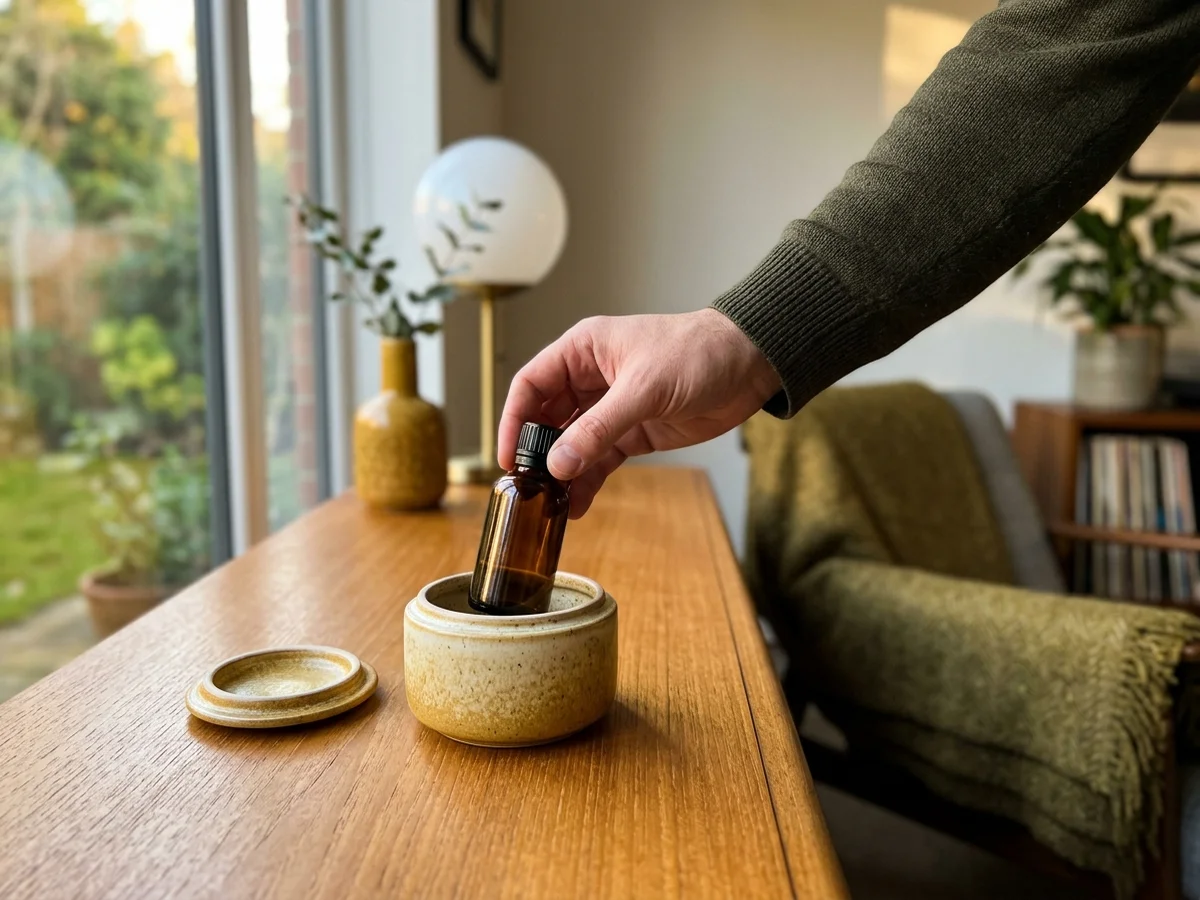
The Tisserand Institute says low-level diffusion, barely perceptible, is fine for several hours, while more intense diffusion is best done intermittently, with the benefit tailing off after 30 to 60 minutes, and that you should be able to air the room quickly and think about other people and pets in the space (Tisserand Institute, inhalation). So start with fewer drops than your diffuser's manual allows, run it in sessions, and open that window. Our diffusing article turns this into drops. We recommend keeping the oil away from children and pets, and anyone with asthma or a pet in the house should check with a physician or veterinarian.
This stock is meant for the diffuser, not skin. For a body oil or roller, the dilution rules are different, and our roller blend page covers them. Linalool changes in air, so make small stocks and use them up rather than letting a half-empty bottle sit for months.
A small bottle of two good oils, mixed in a ratio you wrote on the label, is a nice thing to have waiting by the window.
Coriander Essential Oil
Coriander Essential Oil from our own shop, in sizes from 0.5 oz to bulk.
From $12.99
Shop Now →Sources & Further Reading
- Ojha S et al., 2022. Chemical analysis of commercial Boswellia carteri essential oils. Plants 11(16):2134. pmc.ncbi.nlm.nih.gov/PMC9415502
- EFSA FEEDAP Panel, 2023. Safety and efficacy of coriander oil as a feed flavouring. pmc.ncbi.nlm.nih.gov/PMC10613936
- Tisserand Institute. The ultimate guide to essential oil inhalation. tisserandinstitute.org/essential-oil-inhalation