Coriander Oil Uses: Diffuser, Body Oil, Soap and More
A bottle of coriander seed oil goes a surprisingly long way. Its warm, softly spicy scent suits a room, a pulse point, a bar of soap or a candle, and almost every use comes down to one question: how much, and how diluted? Here is how we would approach each one.
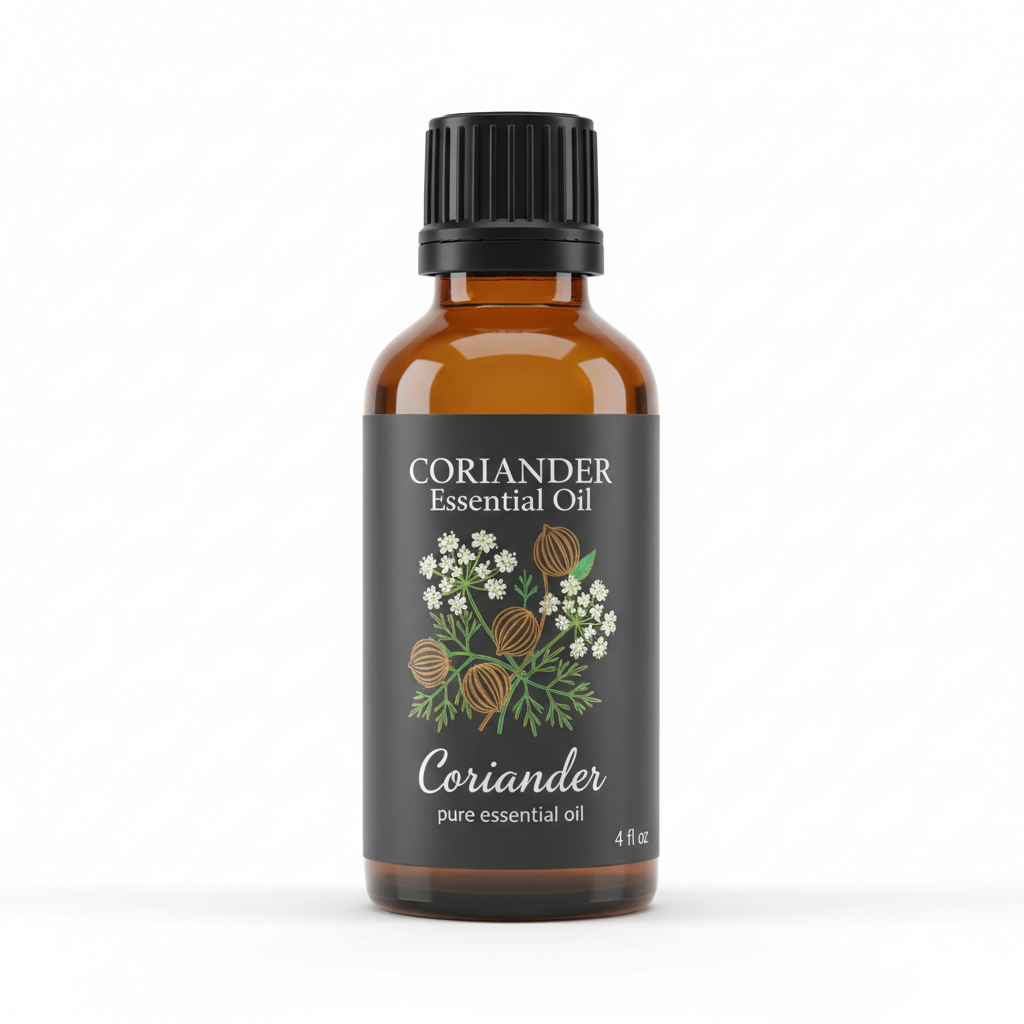
Coriander Essential Oil
Our own Coriander Essential Oil, in sizes from 0.5 oz to bulk.
From $12.99
Shop Now →In the diffuser
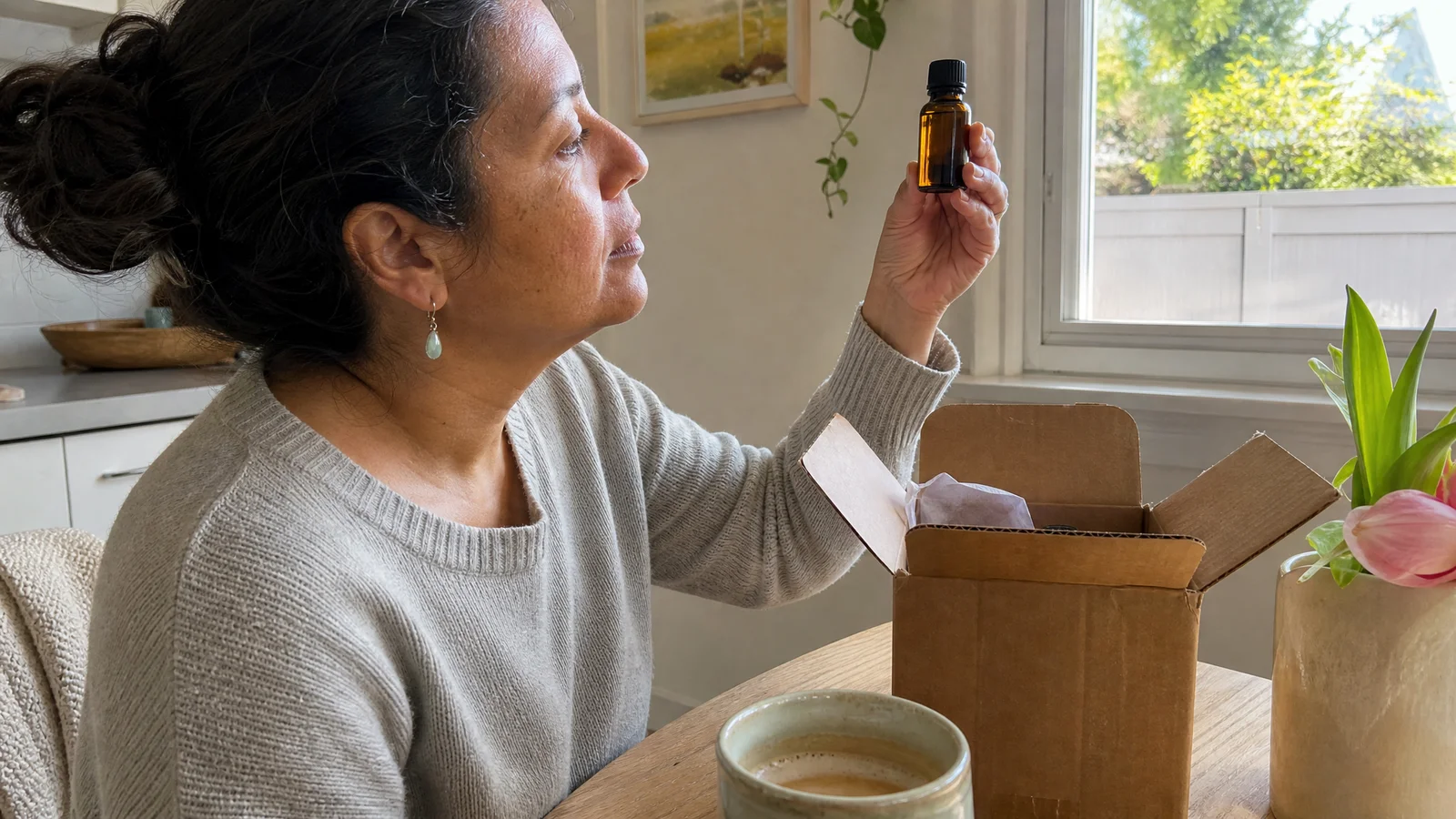
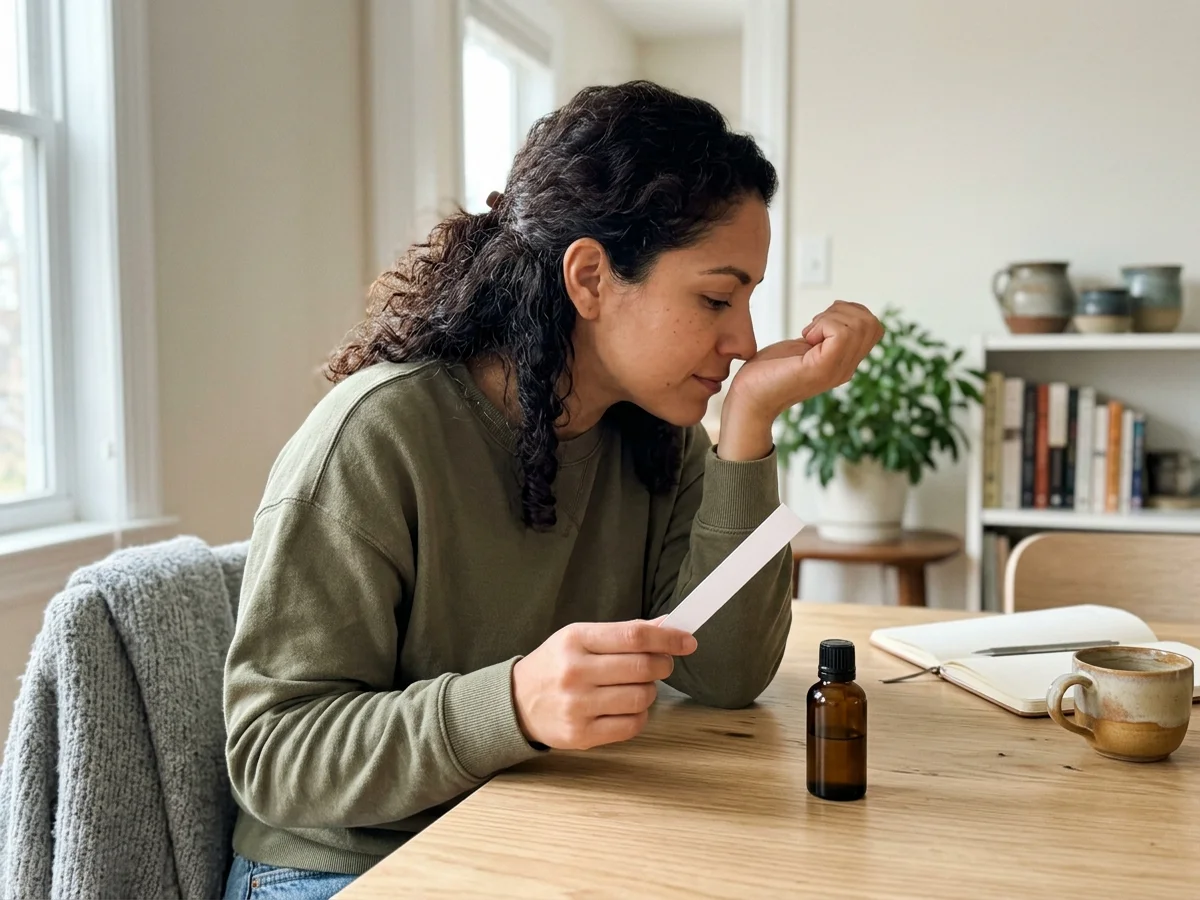
Part of the pleasure of coriander seed oil is how quickly it gets out of the way of the other scents in a room. Put a drop on a tissue first and carry it around the house if you want to know whether you like it before you commit a whole diffuser tank to it.
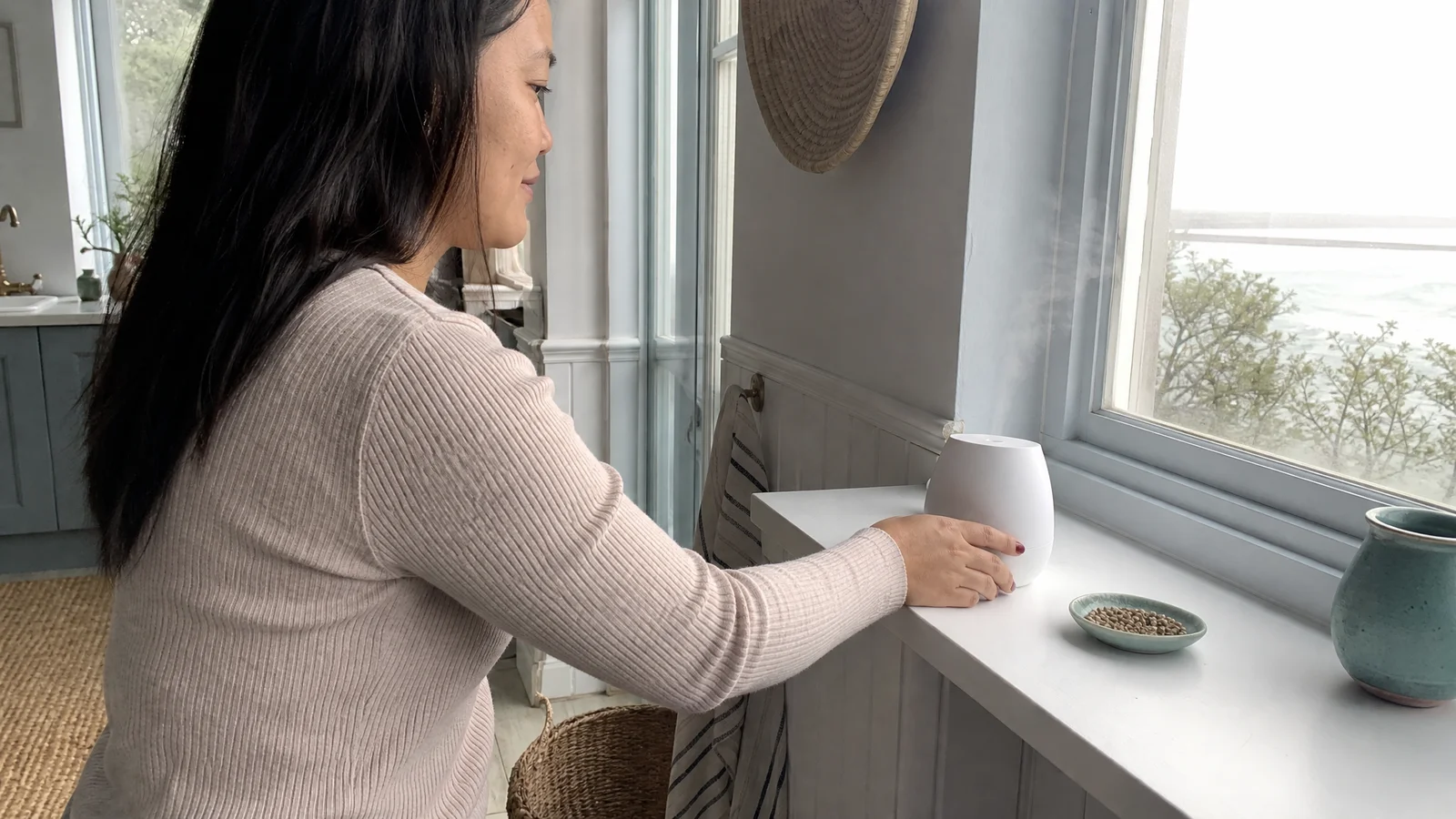
This is the easiest place to start. A little goes a long way, so begin with a drop or two and add more only if the room needs it. Coriander sits comfortably next to citrus, so a diffuser blend with a drop of sweet orange is a pleasant first experiment. Ventilate the room, and stop if anyone coughs or feels tight in the chest. Our diffusing guide covers timing in more detail.
As a roller perfume
A 10 ml roller bottle holds very little, so the maths is delicate. We recommend keeping the total essential oil to about 1% (roughly 0.1 ml, or three drops at a common 30 drops to the ml). Our roller blend article works out several combinations, and the carrier oil itself comes from a craft or supply shop, since we sell only the essential oil.
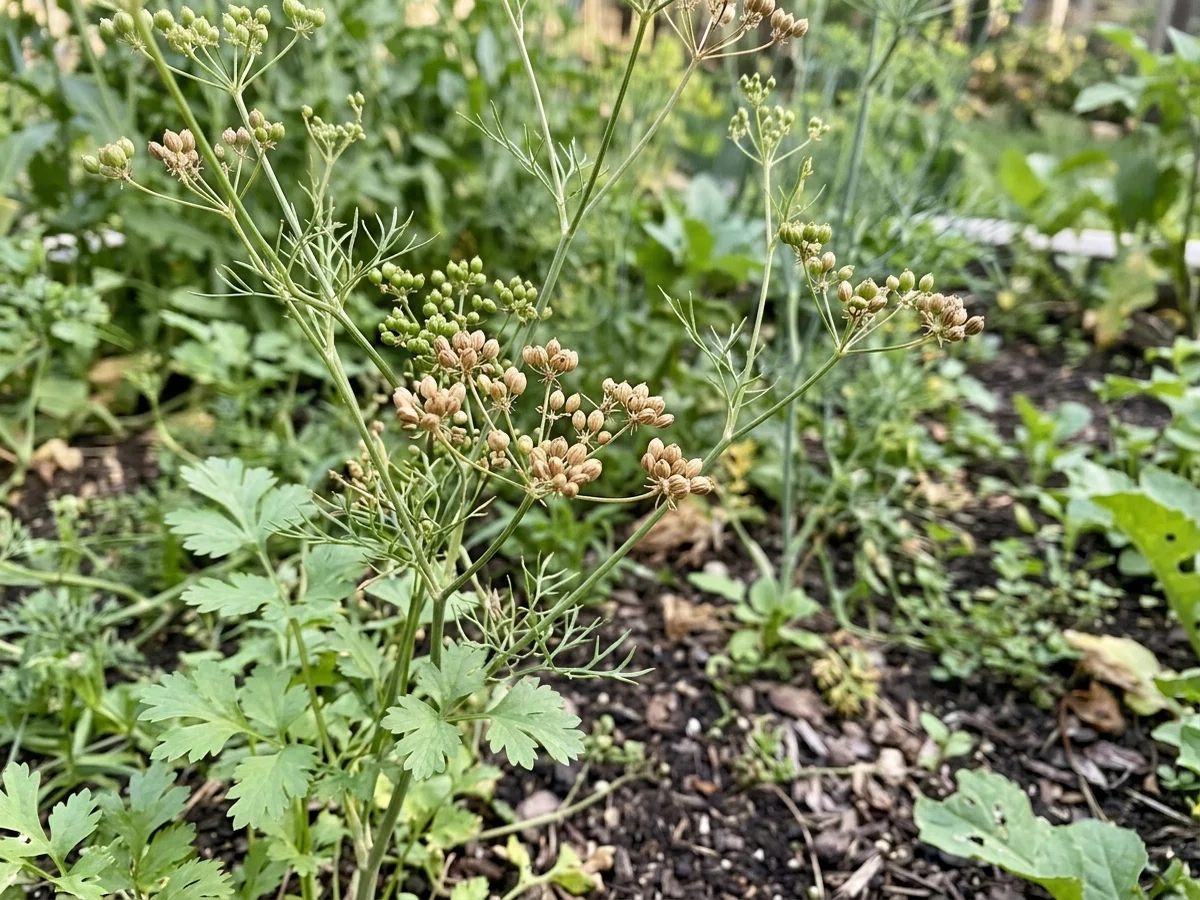
In a scented body oil
Make it small. A 30 ml bottle is plenty for a first batch, and it will stay fresher than a big one. Add your carrier first, then the coriander, cap it, and turn the bottle gently end over end rather than shaking it hard. Open it a few minutes later and you will notice how the warm, woody note comes forward while the sweetness hangs back. Write the date on a label so you know how old it is.
For a body oil, we recommend diluting to 0.5% to 2% in a carrier oil and patch testing first. In a 100 ml bottle that means between 0.5 ml and 2 ml of coriander oil, and the low end is a good place to begin because the scent carries well. If you plan to use it as a massage oil, see our massage oil measurements. We treat it as a scent addition, nothing more.
In soap and lotion
Coriander makes a warm, rounded soap fragrance. Soap making is a formulation craft with its own rules about usage rates and labelling, so start with our cold-process soap article and follow your supplier's guidance for the base you are using.
In candles
Candle makers like coriander for its spiced-citrus character. How much your wax can carry depends on the wax and wick, which are details for your supplier, but we have walked through the principles in our candle article.
In a cleaning spray
A little coriander oil can scent a homemade spray. It adds fragrance only, and we keep the claims there too: see our cleaning spray notes.
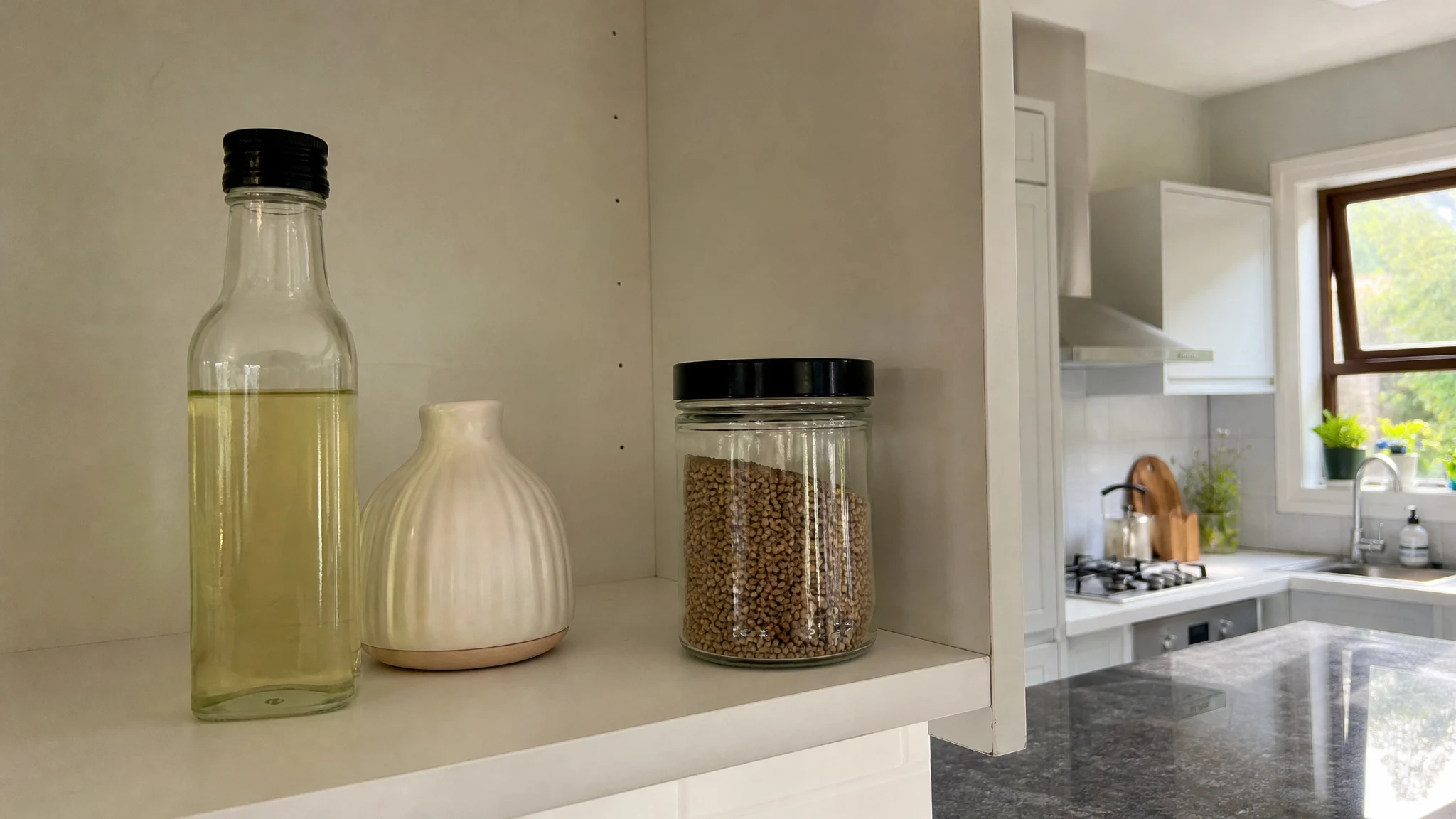
As a simple bottle on the shelf
Some people just like opening the bottle. That is a perfectly good use, and the aroma is the point.
Building a small routine around it
The people who enjoy this oil most tend to be the ones who give it a small, regular place instead of trying every idea in one week. Our suggestion is to choose a single use for the first month. If it is the diffuser, keep a notebook beside it and write down how many drops you used and how long it ran, so you can repeat the version you liked. If it is a body oil, make one blend and learn it well.

Pairing it with what you already own
Coriander is friendly with citrus and with other warm spices, so a good second step is to stand it next to something you already love. Hold the two bottles under your nose one at a time, then together, before you commit to a blend. We list bergamot, black pepper, cypress, jasmine, lavender and sweet orange as partners, though we sell none of them, so you would get those from a supplier you trust.
A word about patience
Fragrance projects reward patience. A soap or candle can smell quite different on the day you make it and a few weeks later, and a roller blend often smells rounder after a day or two in the bottle. Start small, write things down, and let your nose decide what stays.
The one safety paragraph
Like most essential oils, coriander oil is concentrated. European regulators assessing it for animal feed concluded it should be treated as a skin and eye irritant and as a skin and respiratory sensitiser, mainly because of its linalool. Linalool is gentle when fresh but forms oxidation products as it ages in air, so keep the cap tight, store the bottle cool and dark (we say typically two to three years that way), and use a bottle that still smells right. Keep it away from eyes, children and pets, and do not take it internally. If you have eczema, asthma or a history of fragrance reactions, ask your physician before using it.
Pick one use, start small, and let the scent tell you what it wants to be.
Coriander Essential Oil
Coriander Essential Oil from our own shop, in sizes from 0.5 oz to bulk.
From $12.99
Shop Now →Sources & Further Reading
- EFSA FEEDAP Panel, 2023, coriander oil opinion. EFSA
- Bared Christensson et al., 2010, oxidized linalool patch testing. PubMed
- Tisserand Institute, drop size and dilution guidance. Tisserand Institute