Coriander Seed Oil vs CO2 Extract: What Differs
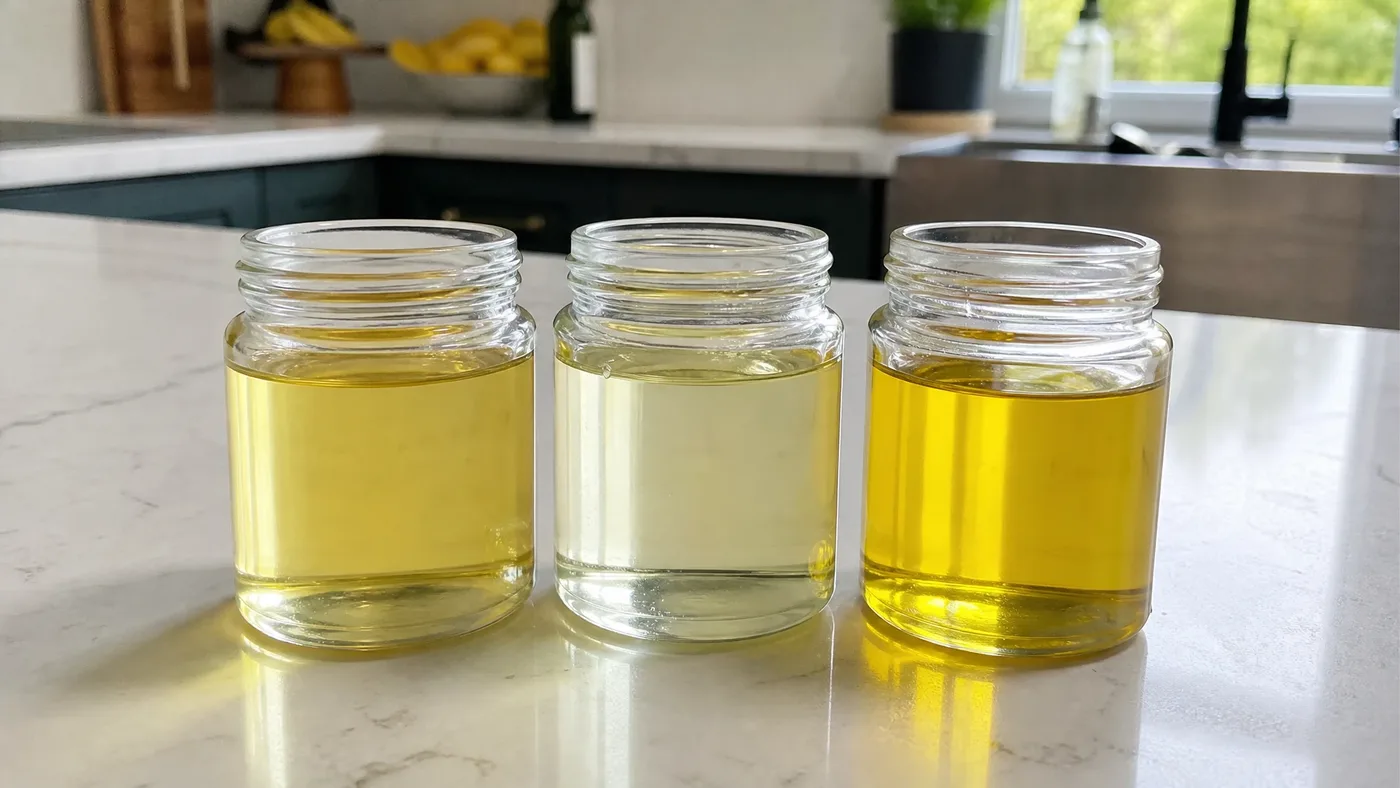
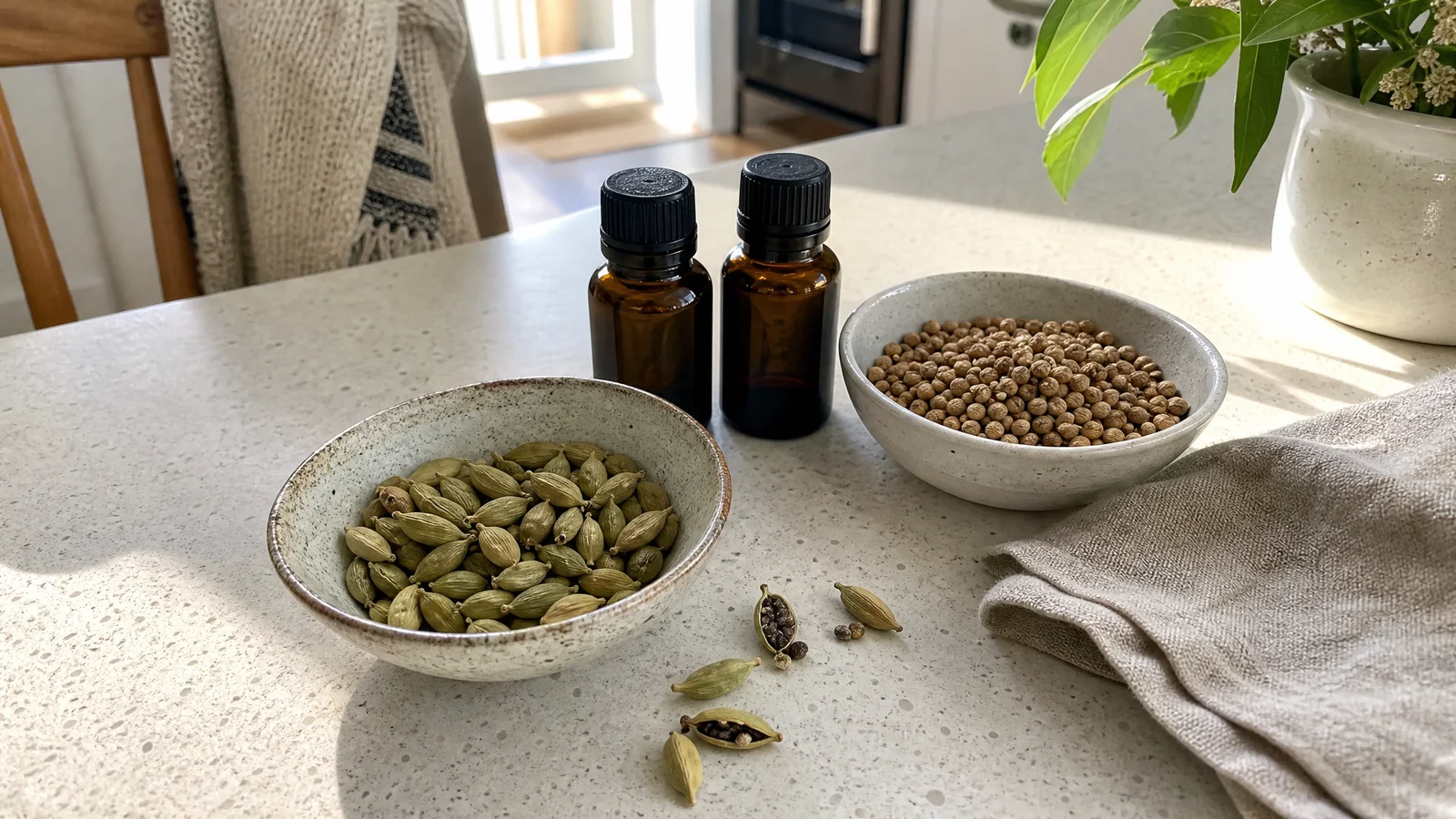
Two bottles can both say "coriander seed" and be quite different things inside. One is an essential oil, the part of the seed that rides over on steam in a still. The other is a CO2 extract, made by pushing compressed carbon dioxide through the crushed seed, and it can pull out a good deal more than the volatile aroma. We sell the steam-distilled seed oil, so here is how we think about the difference.
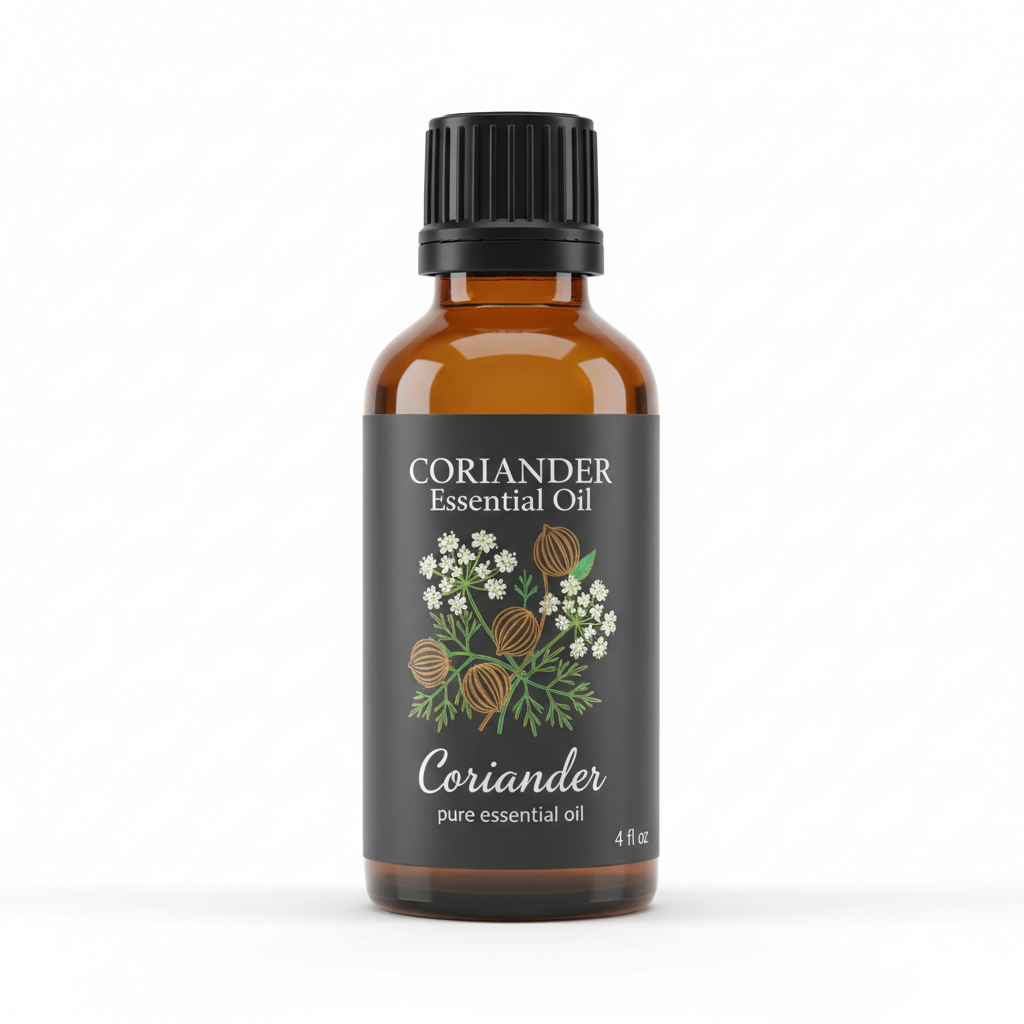
Coriander Essential Oil
Our own Coriander Essential Oil, in sizes from 0.5 oz to bulk.
From $12.99
Shop Now →Two ways to get at the same seed
The European Pharmacopoeia defines coriander oil as the oil obtained by steam distillation of the fruits of Coriandrum sativum, as the European Food Safety Authority describes it in its 2023 opinion on the oil. Steam only carries over compounds that vaporize with it. CO2 extraction works differently: the solvent is carbon dioxide under pressure, and what you get depends on the pressure, temperature and flow the maker chooses. So a CO2 extract is its own product, not a fancier grade of distilled oil, and a good listing says which one it is.
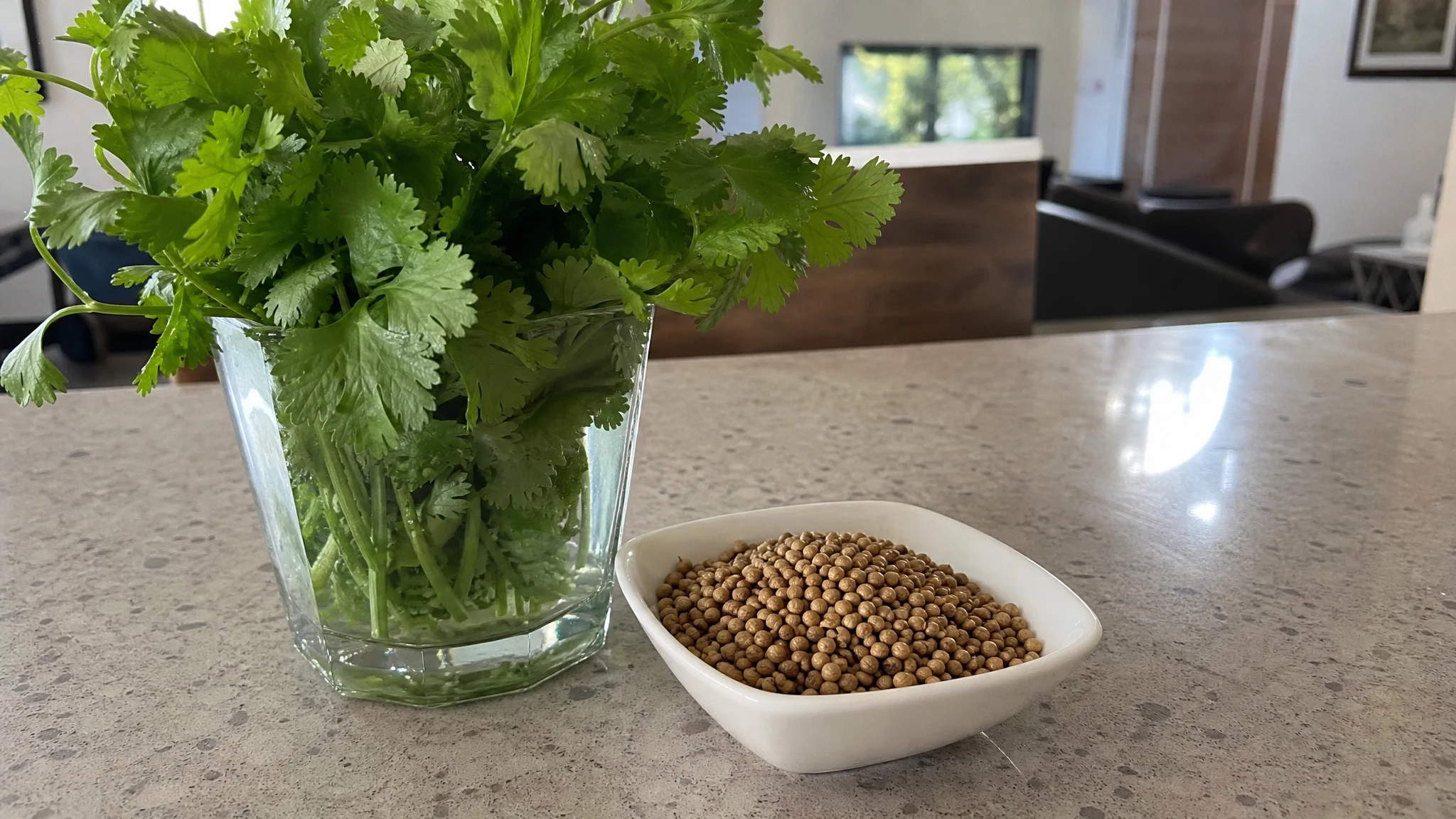
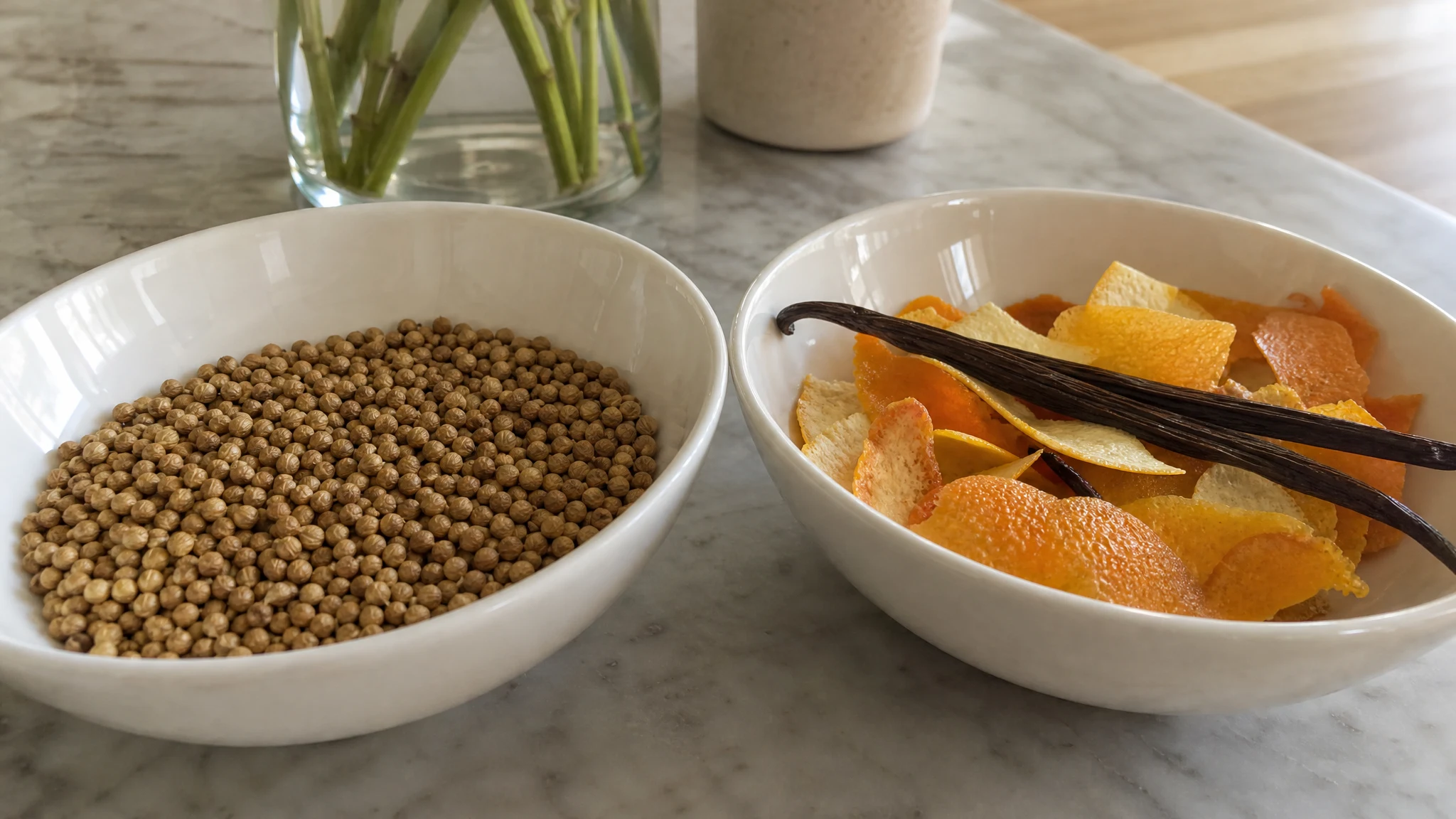
If you have only ever met coriander seed in the spice jar, it is worth crushing a few seeds between your fingers before you read any further. Notice that the smell is warm and slightly citrusy, with something sweet underneath. That is the character both products are trying to capture, each in its own way.
What a seed study shows
A 2016 optimization study on supercritical CO2 extraction of coriander seeds is a nice window onto this. Linalool was the most abundant compound, followed by camphor, methyl chavicol, limonene, eucalyptol, eugenol, geraniol, gamma-terpinene and alpha-terpineol. The settings that squeezed out the most total extract were not the ones that favored the light, volatile monoterpenes: lower pressure, around 100 bar, did that better. The lesson for a buyer is that "coriander CO2" is not one fixed material. Two suppliers can make two quite different extracts from the same seed.
The fatty side of the seed
Coriander seed holds a lot more than aroma. In a trial of 119 genotypes the volatile oil made up only 0.05% to 1.86% of the seed, while the fixed, fatty oil ran from about 10% to 34%, with petroselinic acid leading it. Steam distillation leaves that fatty fraction behind in the spent seed. A CO2 extract may bring some of it along, which is one reason such extracts can be thicker or waxier and why they behave differently when you stir them into a perfume base.
A hint from the leaf
The closest side-by-side we found compares the two methods on coriander leaves, not seeds. Hydrodistillation gave a slightly higher yield than supercritical extraction, and linalool led both, at 61.78% in the distilled oil and 51.32% in the supercritical one. We would not carry any numbers across to seed, but it shows that the method itself shifts the balance of what ends up in the bottle.
What you might notice at the blotter
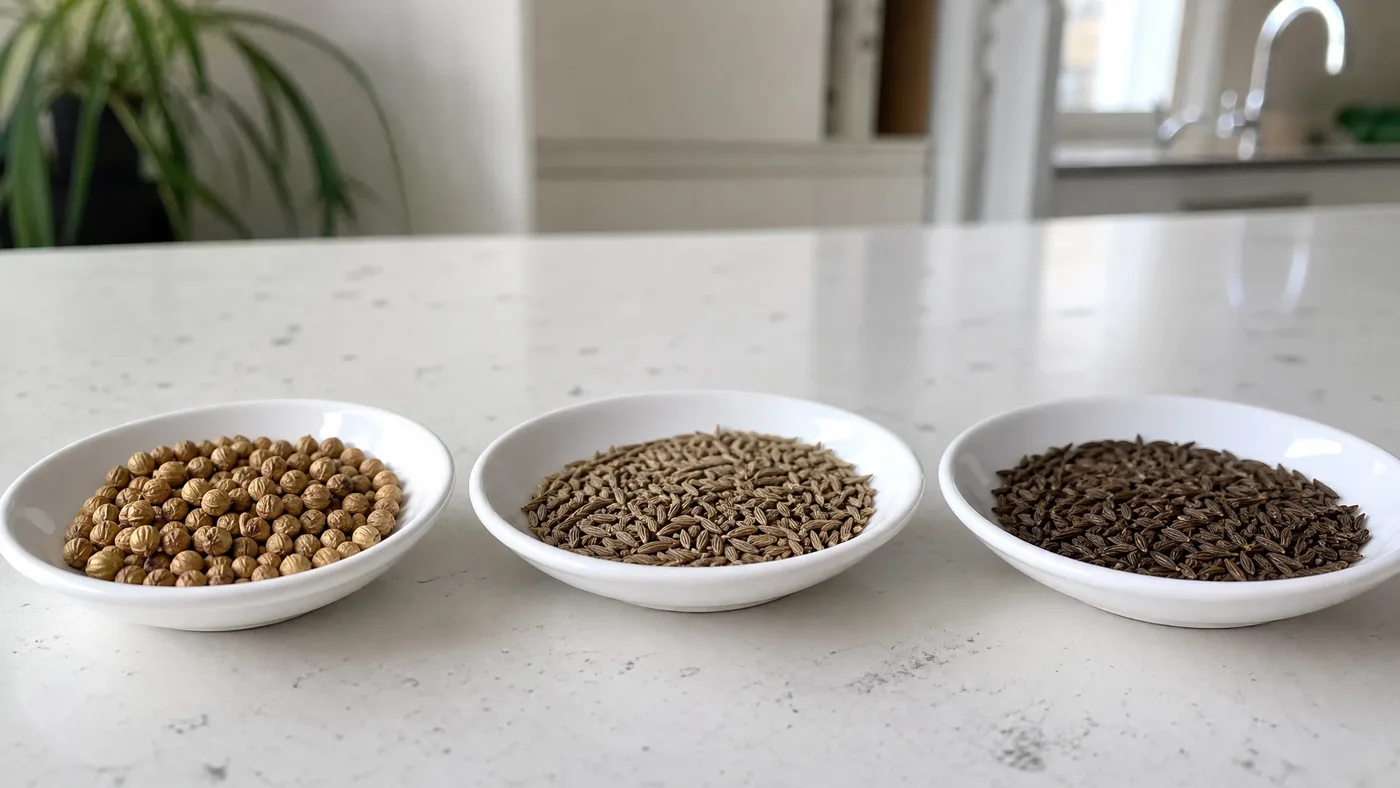
When you put two materials from the same seed side by side, the useful habit is to smell them at intervals instead of all at once. Right away the distilled oil tends to read as bright and airy, and a thicker extract can read as fuller and more rounded. After a few minutes, come back to each. After an hour, again. The way a scent changes over time often tells you more than the first sniff, and it is the same habit perfumers use.
Take notes in plain words. Words like "dry," "creamy," "peppery," "sweet" and "woody" are more useful a week from now than a score out of ten. If you want a second opinion, ask someone who has not seen the labels to smell them and tell you what they notice first.
How we would choose
We have not found a sensory study that sets seed oil and CO2 extract side by side, so no one can honestly tell you which smells better in the abstract. What we can say is what the seed oil is. We describe ours as warm, woody and softly spicy, with a rounded sweetness and a light floral edge, and it is a single, volatile, steam-distilled seed oil with a long record in the literature. If you want a clean, linalool-led aroma and a simpler, more familiar material to work with, that is the one to reach for. If you are a perfumer curious about a fuller, more extract-like character, a CO2 extract from a perfumery-supplies seller is worth sampling.
The best test is your own nose. Put a blotter of each beside each other, then smell them again after a few minutes and after several hours, because the lighter notes leave first. Our scent profile describes what to expect from the distilled oil, and how the oil is made walks through the still.
Keep the paperwork with the bottle
The safety guidance we give applies to the distilled oil: dilute to 0.5% to 2% in a carrier and patch test first. EFSA's panel treats the fruit oil as a skin and eye irritant and a skin and respiratory sensitizer, and the skin-allergy research on linalool is about its oxidation products. A CO2 extract has a different recipe, so ask its seller for its own usage guidance rather than borrowing ours. Whichever you pick, ask for the plant part, the extraction method and, for CO2, the conditions used, and our GC/MS checklist helps you read the report. If you simply need a stand-in while something is out of stock, our substitutes guide has ideas.
A note on working with either one
Whichever material you pick, the practical side is the same. Use a clean glass dropper or pipette for each, never share one between bottles, and keep the caps tight. A thicker material may need gentle warming in your hands before it pours the way you expect, and a thin one will run quickly, so measure over a small dish and not over your project. These are small habits, but they save frustration and keep your samples tidy.
If you are comparing for a product you plan to sell, keep a simple notebook with the date, the material, the supplier and what you noticed. Months from now, you will be glad it is there.
Whichever way the seed is opened, the name on the label is only the start, and the report for the bottle in your hand is what tells you what you actually have.
Coriander Essential Oil
Coriander Essential Oil from our own shop, in sizes from 0.5 oz to bulk.
From $12.99
Shop Now →Sources & Further Reading
- EFSA FEEDAP Panel, 2023. Safety and efficacy of a feed additive consisting of an essential oil obtained from the fruit of Coriandrum sativum L. pmc.ncbi.nlm.nih.gov/PMC10613936
- Zekovic Z et al., 2016. Supercritical fluid extraction of coriander seeds: process optimization, chemical profile and antioxidant activity of lipid extracts. Industrial Crops and Products. doi.org/10.1016/j.indcrop.2016.09.008
- Basol A et al., 2024. Genetic diversity, agro-morphological and quality traits of coriander. Biology. pubmed/39596821
- Abbas A et al., 2022. Supercritical fluid and hydro-distilled extracted coriander leaves essential oil. Dose-Response. pubmed/36387777
- Bråred Christensson J et al., 2010. Linalool, a significant contact sensitizer after air exposure. Contact Dermatitis. pubmed/20136877