What Makes Coriander Seed Oil So Easy to Love?
Most people open a bottle of coriander seed oil expecting the green, soapy-bright smell of fresh cilantro. What they find is warm, rounded and gently spicy, closer to a spice cupboard than a herb bed. That surprise is the whole charm of the oil, and it is why we think it deserves a place on the shelf.
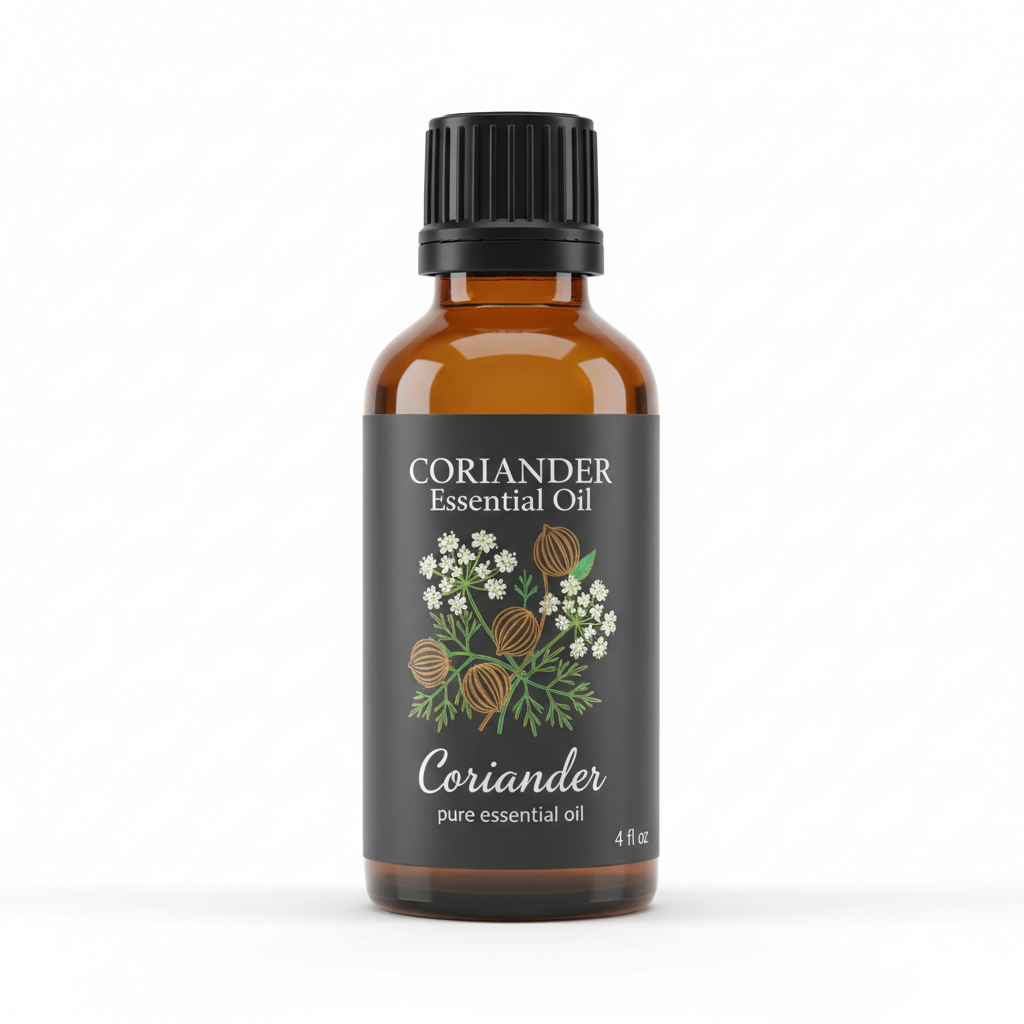
Coriander Essential Oil
Our own Coriander Essential Oil, in sizes from 0.5 oz to bulk.
From $12.99
Shop Now →A seed, not a leaf
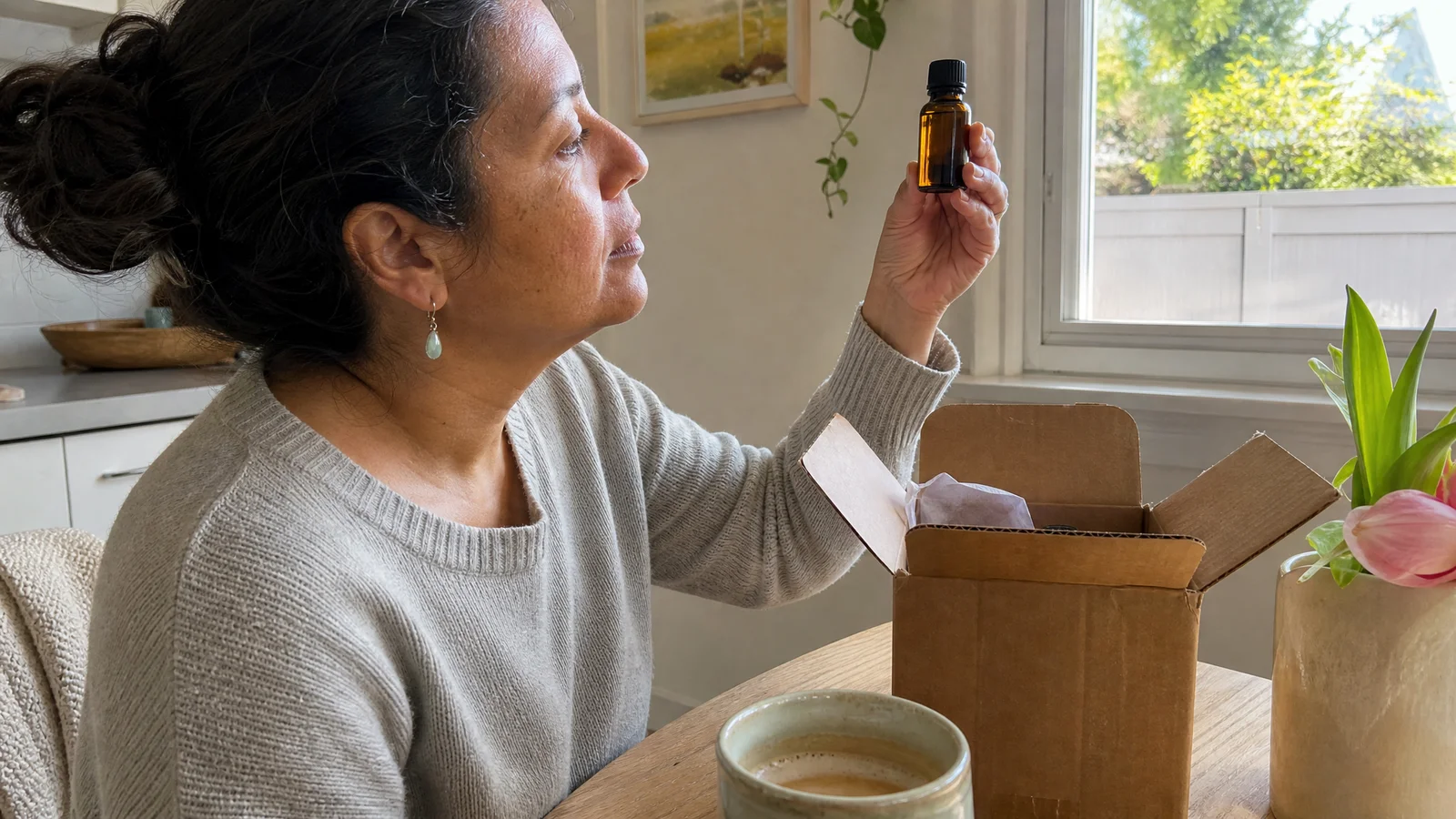
There is a particular moment we enjoy imagining: someone who has braced for cilantro opens the bottle, sniffs, and raises their eyebrows. The relief and the surprise are part of the charm.
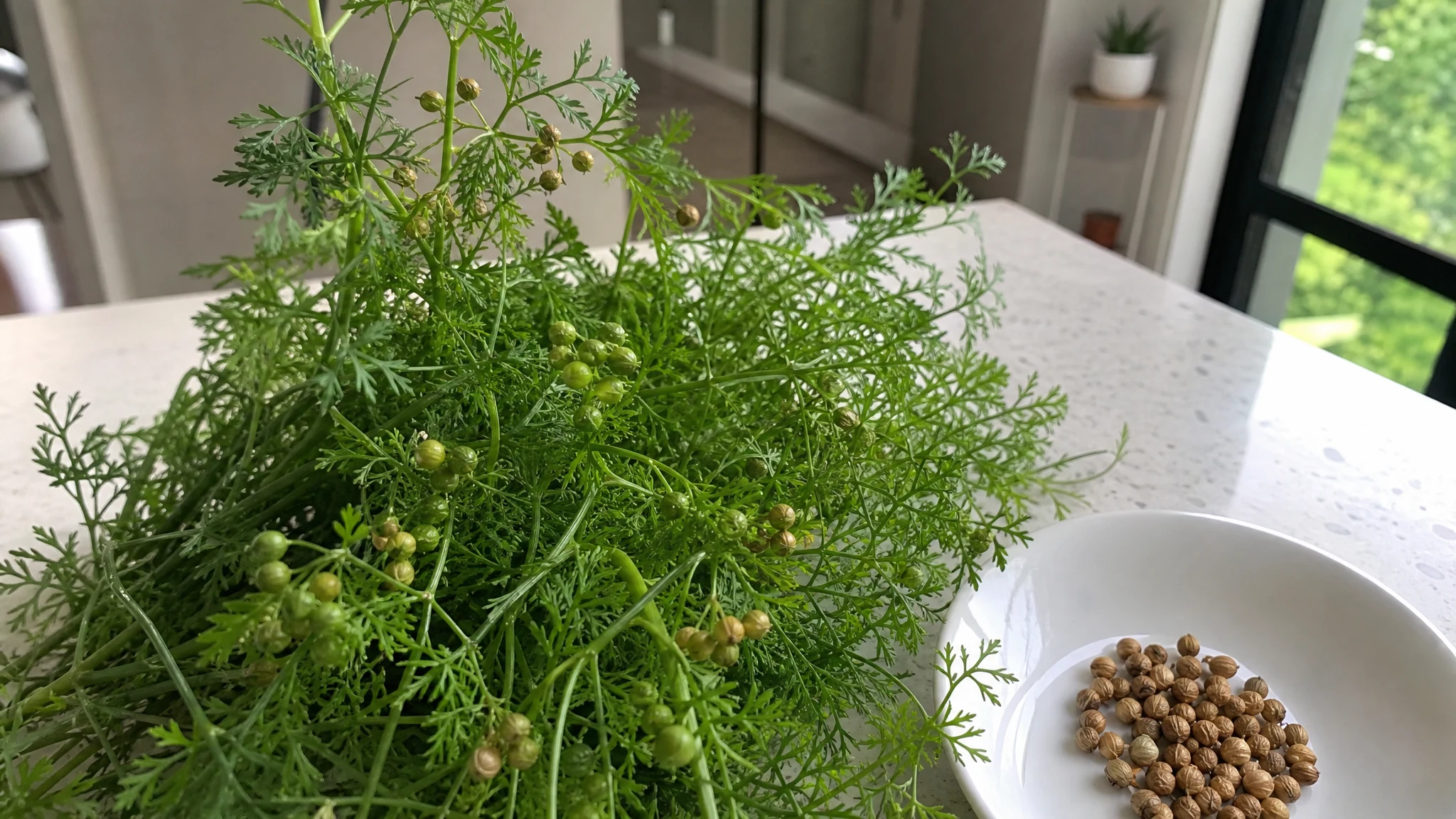
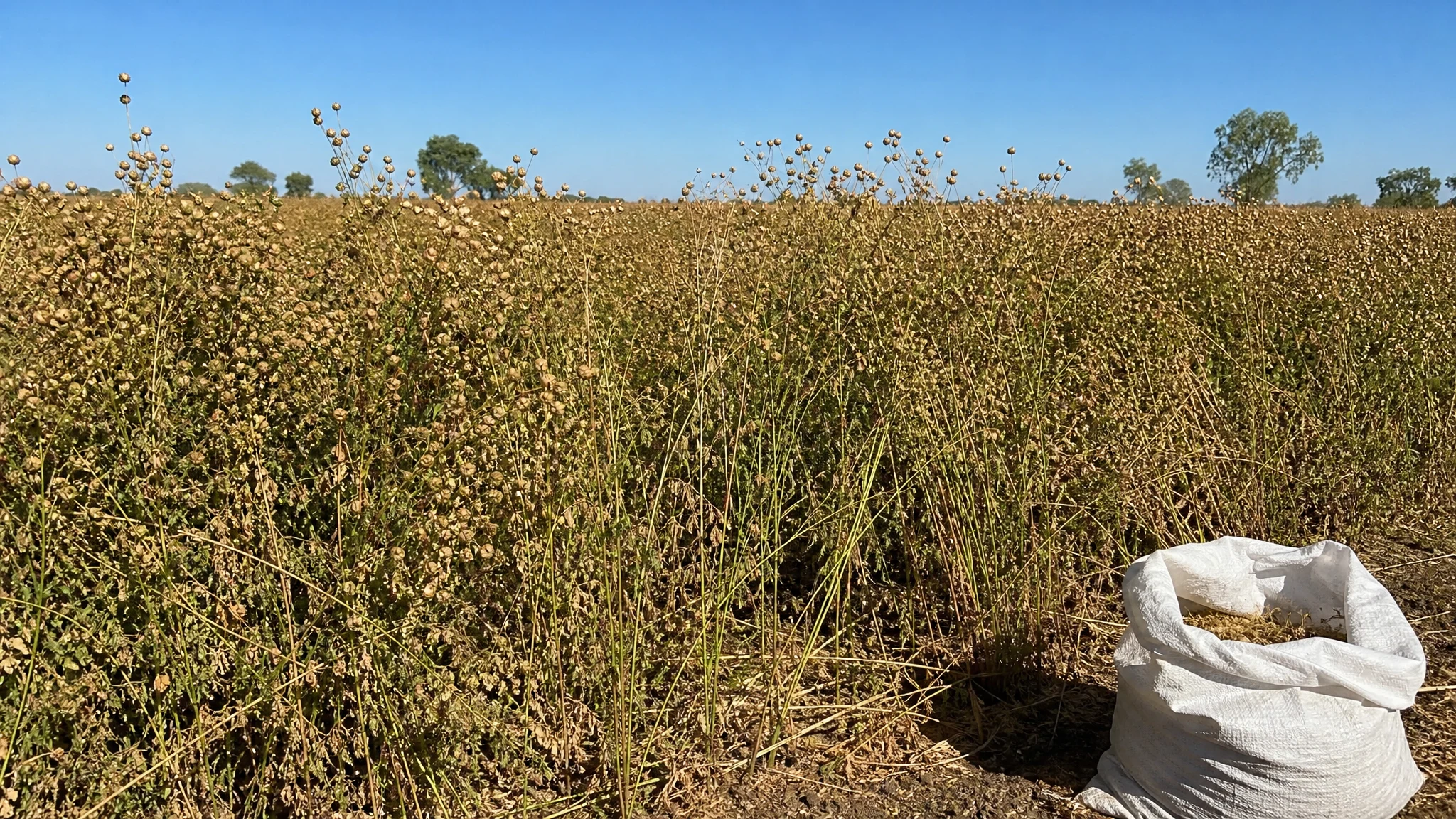
Our oil is distilled from the ripe seed of Coriandrum sativum. The leaves of the same plant make a very different oil. In a study of eleven Portuguese coriander samples, the oils from the seed-bearing fruit were mostly linalool, a floral, lightly woody molecule also found in lavender, while the oils from the leafy parts were dominated by aldehydes called 2-trans-decenal and n-decanal. Those are the compounds behind that fresh herb smell. Seed oil simply does not have them in the same way, so it smells like a different ingredient. We wrote more about the pair in our seed versus leaf comparison.
What it smells like
We describe our oil as warm, woody and softly spicy, with a rounded sweetness and a light floral edge, and a faint suggestion of citrus peel and fresh bread spice in the background. It is a middle note, which means it sits in the heart of a blend rather than flashing past at the start or lingering at the end. If you want a longer walk through the scent, our scent profile goes note by note.
The linalool is a big part of why the smell feels so smooth. We call our oil linalool-rich, and while we do not quote a percentage for it, the range across seed oils is generous: studies of coriander fruit oils regularly report linalool in the 60 to 80 percent range, and the oil that European regulators assessed in 2023 was specified at 65 to 78 percent.
The first sniff and the third
Smell it on a strip, put the strip down, and come back to it twice more during the afternoon. The first sniff is warm and a bit spiced. By the third, the floral edge has come up and the whole thing feels rounder. It is not a loud scent, so it rewards the kind of attention you give to a quiet song.
Why it blends so easily
Because it is warm without being sharp, coriander seed oil makes a good supporting player. We suggest it alongside bergamot, black pepper, cypress, jasmine, lavender and sweet orange, and it has a particular knack with citrus, where it adds body to a bright top note. Try the idea in our coriander and bergamot guide, or browse what blends well with coriander for more pairings.
What people do with it
The appeal is mostly about fragrance, and the uses follow from that: a few drops in a diffuser (a little goes a long way), a scented body oil at a gentle dilution, a roller bottle, homemade soap and lotion, and candle projects. For anything that touches skin we recommend diluting to 0.5% to 2% in a carrier oil and patch testing first, and the oil is for external use only. Our guide to uses sorts the options by how much care each one needs.
Why it suits a small collection
If you only keep a handful of oils, it is nice to have one that plays well with others. Coriander does that. It sits in the middle of a blend and lets the brighter top notes and deeper base notes do their parts. It is a team player, and we are quite fond of those. A bottle also goes a long way, since a drop or two is enough for most projects, so a small bottle lasts a good while.
Who we think will enjoy it
People who like warm spice, soft florals and a bit of citrus peel tend to take to it straight away. If you are someone who prefers sharp, green or camphor-bright scents, you may find it too mellow, and that is perfectly fine. Knowing what you like is the first step to choosing well.
A word on the research
You will see long lists of coriander "benefits" online. Almost all of it comes from studies of the seed as food, of solvent extracts, or of laboratory animals and cell cultures, which are different materials used in different ways from a bottle of essential oil. We sell an external cosmetic oil, so we do not draw health conclusions from that work. If you are interested in coriander for wellness reasons, a physician or registered dietitian is the right person to ask.
Something to try this week
Put a drop on a cotton pad and tuck it into a drawer or a bag of linens, then open it a few days later. You will find the scent has softened and spread, warm and a little sweet, like a spice cupboard in the hallway. It is a simple way to see why so many people end up keeping a bottle close.
What we can say with confidence is simpler: it is a lovely, distinctive aroma, and it rewards people who go in expecting a spice rather than a herb.
Coriander Essential Oil
Coriander Essential Oil from our own shop, in sizes from 0.5 oz to bulk.
From $12.99
Shop Now →Sources & Further Reading
- Machado et al., 2023, Plants 12(14):2749, composition of coriander fruit and aerial-part oils. PubMed
- EFSA FEEDAP Panel, 2023, safety and efficacy of coriander oil as a feed additive. EFSA opinion
- Nejad Ebrahimi et al., 2010, variation in seed oil composition. PubMed